

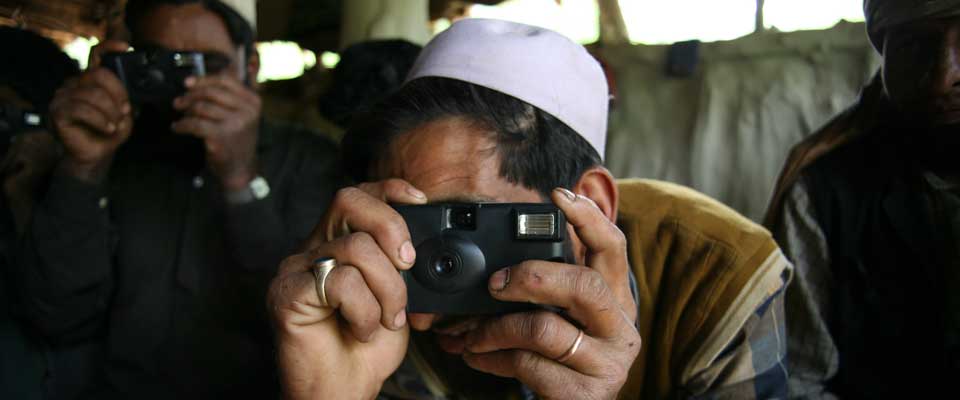
Himalayan communities live with recurring risks linked to landslides, floods, cloudbursts, heavy snowfall, forest fires, drought, and damaged mountain roads.…

Articles
SOPHIA’s Role in Disaster Relief for Himalayan Communities
Building a school in a Van Gujjar winter camp
For Van Gujjar families, education must move with seasonal life. Many pastoral households spend the warmer months in forest grazing areas and shift to winter…
Advocacy for the recognition of pastoralist rights in India
Across India’s mountains and forests, pastoralist communities sustain livelihoods through seasonal movement, livestock care, and close knowledge of local…
Why common grazing land matters for people and nature
Common land is shared space managed through community customs, local institutions, or public rules. It may include forests, grasslands, riverbanks, scrublands,…
Stories of resilience: Van Gujjar women facing adversity
Across the forests and mountain valleys of northern India, Van Gujjar women sustain families, livestock, and community traditions through changing seasons.…
Milk Quality Starts With Trust in Rural Cooperatives
For rural dairy cooperatives, milk quality is closely connected to household income, public health, and community confidence. A reliable testing system helps…
Legal Aid Clinics for Forest Rights Claims
For Van Gujjar families and Himalayan village communities, forests are homes, workplaces, sources of fodder, and the foundation of pastoral life. Yet…
The impact of tourism on Van Gujjar traditions
Tourism is changing the social, economic, and cultural landscape of the Himalayas. For Van Gujjar communities, whose identity is closely connected with buffalo…
How Government Schemes Reach Indigenous Pastoralists
For indigenous pastoralists, a government scheme becomes meaningful only when it reaches the forest settlement, seasonal route, or remote village where…
Buffalo Breeds Of The Himalayas: A Genetic Treasure
Across the Himalayan foothills, buffalo are more than livestock. They provide milk, manure, household income, and a dependable source of food for pastoral and…