



The impact of tourism on Van Gujjar traditions
Tourism is changing the social, economic, and cultural landscape of the Himalayas. For Van Gujjar communities, whose identity is closely connected with buffalo herding, seasonal migration, forests, and customary knowledge, these changes bring both opportunities and pressure.
Visitors may value pastoral landscapes and traditional lifestyles, yet tourism can also turn living traditions into performances for outsiders. Understanding this balance is essential for protecting indigenous rights while supporting fair, locally controlled economic opportunities.
Seasonal migration and cultural identity
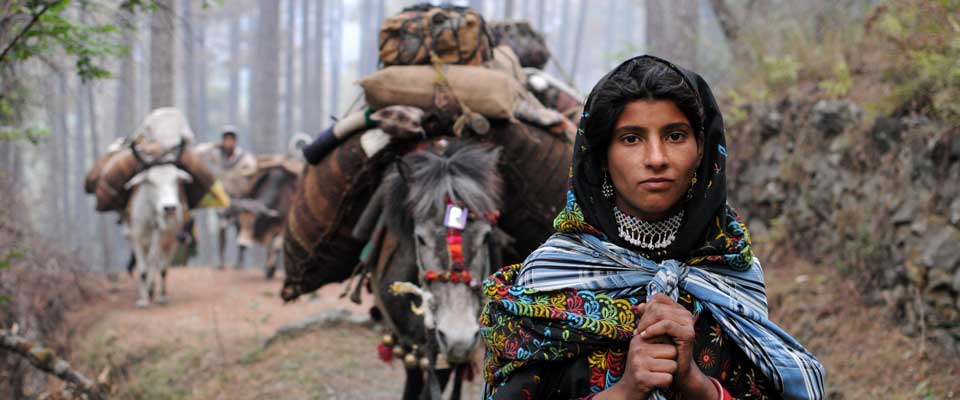
Van Gujjar families have traditionally moved with their buffalo herds between forest settlements and higher summer pastures. This seasonal movement is more than an economic practice: it shapes family roles, oral histories, food systems, spiritual beliefs, and relationships with the forest.
Tourism can make these patterns more visible, especially when travelers seek authentic experiences in mountain regions. However, increased attention may encourage outsiders to treat migration routes, camps, or household customs as attractions rather than as private and meaningful parts of community life.
New income and new dependencies
Tourist demand can create markets for milk, ghee, traditional foods, handicrafts, guiding, transport, and homestays. If Van Gujjar households control these enterprises, tourism revenue may help strengthen livelihoods and reduce dependence on exploitative intermediaries.
The risks grow when external operators control access to land, visitors, and local markets. Seasonal income can be unpredictable, while rising land values and commercial development may push pastoral families away from customary spaces. Strong community organizations and transparent agreements are therefore necessary for tourism to support, rather than replace, existing livelihoods.
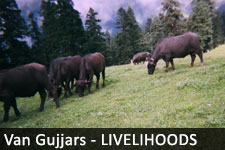
Buffalo husbandry remains central to this discussion. As explained in Himalayan buffalo livelihoods, healthy herds support household nutrition, income, mobility, and cultural continuity.
Effects on language and traditional knowledge
Tourism often rewards the aspects of culture that visitors can easily see: clothing, songs, food, architecture, and ceremonies. Less visible knowledge—such as pasture management, animal care, herbal practices, weather reading, and forest stewardship—may receive little recognition, even though it is vital to community resilience.
Young people may also face pressure to adopt urban lifestyles in order to find tourism-related work. Learning new skills can be beneficial, but the loss of the Van Gujjar language, stories, and ecological knowledge would weaken cultural continuity. Community-led education can help young people connect modern opportunities with their own heritage.
| Area of change | Potential benefit | Main concern |
|---|---|---|
| Local markets | Better prices for milk and traditional products | Dependence on outside buyers |
| Cultural visibility | Greater public recognition of Van Gujjar identity | Stereotyping or staged traditions |
| Employment | Work in guiding, hospitality, and transport | Seasonal and insecure income |
| Infrastructure | Improved roads, communication, and services | Displacement and environmental damage |
| Environmental awareness | Support for conservation initiatives | Restrictions on customary forest use |
Land, forests, and visitor pressure
Tourism infrastructure can affect grazing routes, water sources, and forest access. Roads, resorts, waste, and unregulated trekking may disturb wildlife and reduce the quality of pastures used by buffalo herders. When access rules are designed without community participation, conservation may become another form of exclusion.
Van Gujjar traditions depend on secure forest and domicile rights. Tourism planning should recognize customary use and include pastoral families in decisions about trails, campsites, visitor limits, waste management, and benefit sharing. Their knowledge can guide low-impact tourism while protecting fragile mountain ecosystems.
Building community-led tourism
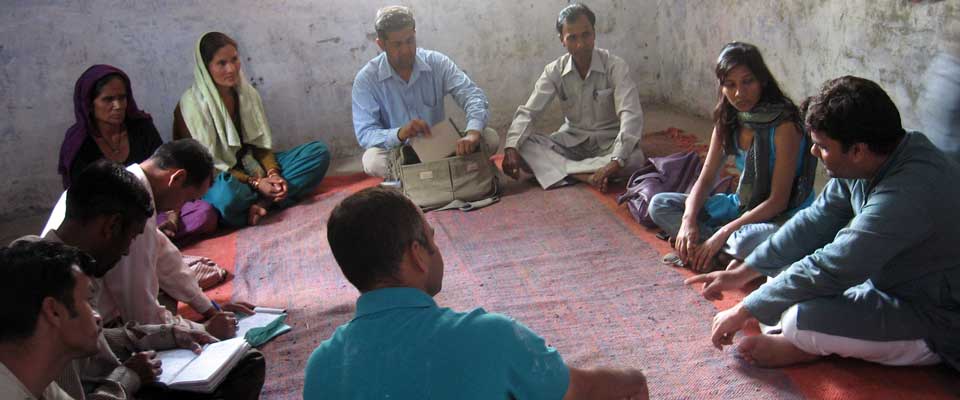
A responsible model begins with consent, local ownership, and fair distribution of income. Van Gujjar cooperatives or village groups could manage homestays, cultural interpretation, dairy products, and guided forest experiences according to their own priorities and seasonal schedules.
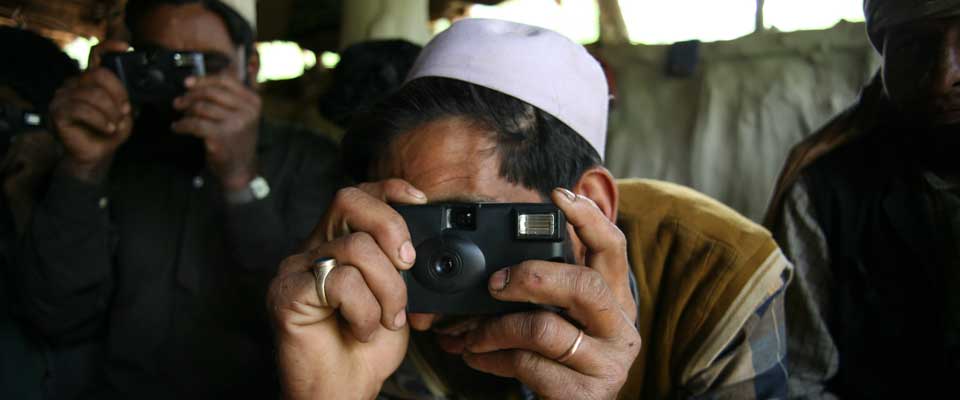
Visitors should receive clear guidance about photography, religious practices, household privacy, livestock, and appropriate purchasing. Tourism should focus on learning and respectful exchange rather than creating a display of poverty or treating community members as part of the scenery.
Practical principles for responsible engagement
Organizations, tourism businesses, and travelers can help ensure that cultural tourism strengthens Van Gujjar communities by following a few practical principles:
- Obtain free, prior, and informed consent before using community stories, images, or cultural knowledge.
- Purchase milk, food, crafts, and services directly from community-owned enterprises where possible.
- Respect migration schedules, private spaces, sacred sites, and restrictions on photography.
- Include Van Gujjar representatives in tourism, conservation, and infrastructure decisions.
- Measure success through cultural security, land rights, ecological health, and household wellbeing—not visitor numbers alone.
SOPHIA’s rights-based work offers an important framework for this approach by connecting social mobilization, forest rights, pastoral livelihoods, and government engagement. Tourism can become constructive when it supports community priorities instead of defining them from outside.
The future of Himalayan tourism should leave Van Gujjar families with stronger rights, healthier herds, and greater control over their cultural narrative. Support community-led initiatives, learn from indigenous knowledge, and choose travel practices that respect the people and landscapes sustaining these traditions.