


SOPHIA’s Role in Disaster Relief for Himalayan Communities
Himalayan communities live with recurring risks linked to landslides, floods, cloudbursts, heavy snowfall, forest fires, drought, and damaged mountain roads. For Van Gujjar families and village households in Uttarakhand, Himachal Pradesh, and Uttar Pradesh, a disaster can affect homes, livestock, access to pasture, markets, schools, health services, and legal documents at the same time.
SOPHIA’s community-centred work provides an important foundation for emergency response and long-term recovery. Its focus on indigenous rights, forest and domicile rights, pastoral livelihoods, buffalo husbandry, and milk marketing connects disaster relief with the everyday systems that help families remain secure.
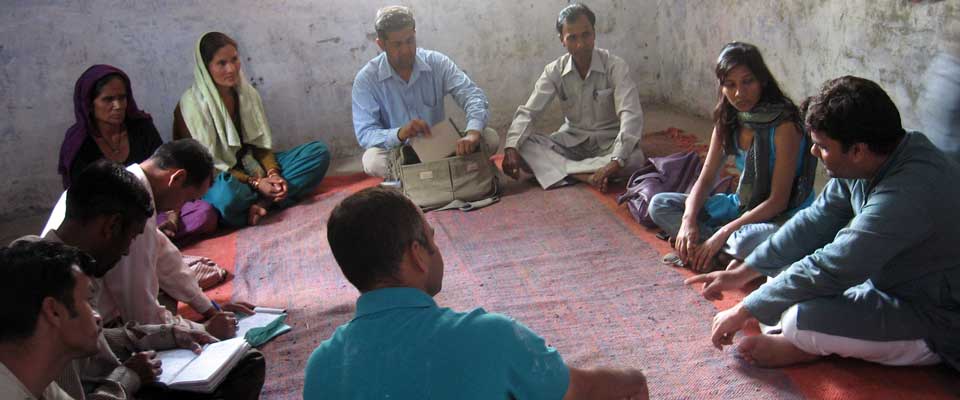
Effective humanitarian support in the Himalayas must reflect local knowledge and difficult terrain. By working through social mobilization, rights-based projects, government engagement, and partnerships with civil society organizations, SOPHIA can help ensure that vulnerable communities are heard before, during, and after a crisis.
Community Knowledge Strengthens Emergency Response
Local residents often understand hazards that are missed by distant agencies. They know which paths become unsafe during monsoon rainfall, where livestock can be moved, which families live in isolated settlements, and how seasonal migration affects access to support.
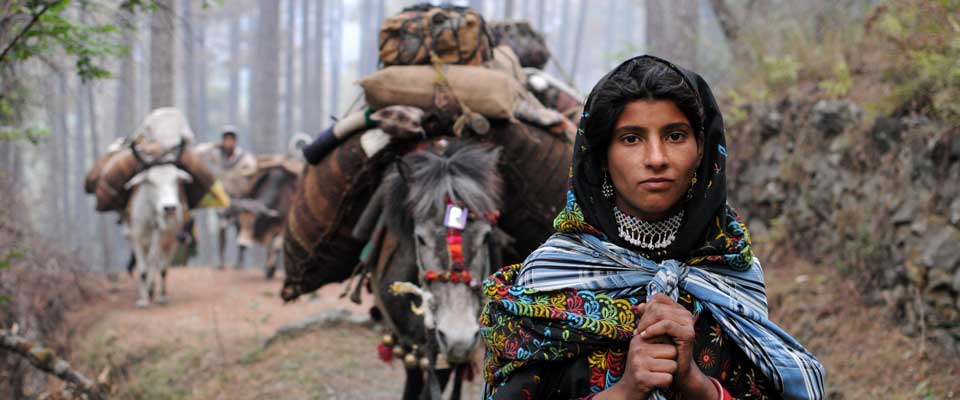
SOPHIA’s relationships with Van Gujjar and Himalayan village communities can help connect relief providers with this knowledge. Community networks may support rapid information sharing, identification of urgent needs, and communication with families whose access to roads, mobile networks, or public offices has been disrupted.
Protecting Livelihoods During a Crisis
For pastoral households, livestock are essential assets rather than simply property. Buffalo provide milk, income, nutrition, and a foundation for household resilience. Flooding, disease outbreaks, fodder shortages, or the loss of grazing access can therefore create a prolonged emergency even after immediate danger has passed.
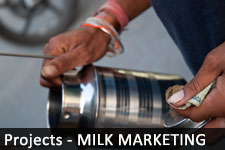
SOPHIA’s experience in buffalo husbandry and milk marketing is relevant to disaster recovery. Support may include helping communities document livestock losses, restore access to fodder and veterinary services, reconnect producers with buyers, and protect fair income during market disruption. These measures can reduce the pressure to sell animals at distress prices or abandon traditional livelihoods.
Rights-Based Relief Reaches Excluded Families
Disasters often deepen existing inequalities. Families without recognized domicile, forest, housing, or land-related rights may struggle to obtain compensation, relief materials, replacement documents, or access to rehabilitation schemes. Mobile pastoral communities can face additional barriers because their seasonal movement does not always fit administrative systems.
A rights-based approach places dignity and legal recognition at the centre of relief planning. SOPHIA’s advocacy and work on forest and domicile rights can help communities understand public entitlements, organize collective claims, and engage with authorities. This makes disaster assistance more transparent and helps prevent vulnerable households from being overlooked.
| Area of support | Community need | Possible contribution through SOPHIA |
|---|---|---|
| Immediate relief | Food, water, shelter, medicines, and safety information | Community coordination and identification of priority households |
| Livestock protection | Fodder, veterinary care, safe grazing, and animal shelter | Guidance linked to buffalo husbandry and pastoral knowledge |
| Rights and compensation | Documentation, claims, and access to government schemes | Legal awareness, advocacy, and government engagement |
| Livelihood recovery | Restoring milk sales, markets, and household income | Support for milk marketing and local economic networks |
| Preparedness | Risk awareness and local response capacity | Social mobilization, partnerships, and community planning |
Working With Government and Civil Society
No single organization can address the full impact of a Himalayan disaster. Relief operations require coordination among local administrations, panchayats, health workers, veterinary departments, disaster management authorities, community leaders, and nonprofit partners.
SOPHIA’s engagement with government institutions can help translate community priorities into practical action. Its partnerships with other NGOs may expand access to emergency supplies, technical expertise, training, and recovery funding while reducing duplication between service providers.
Supporting Women, Families, and Community Leadership
Women frequently manage household food supplies, milk production, childcare, and the care of elderly or sick family members during an emergency. Their knowledge is essential to understanding how a disaster affects nutrition, income, health, and safety.
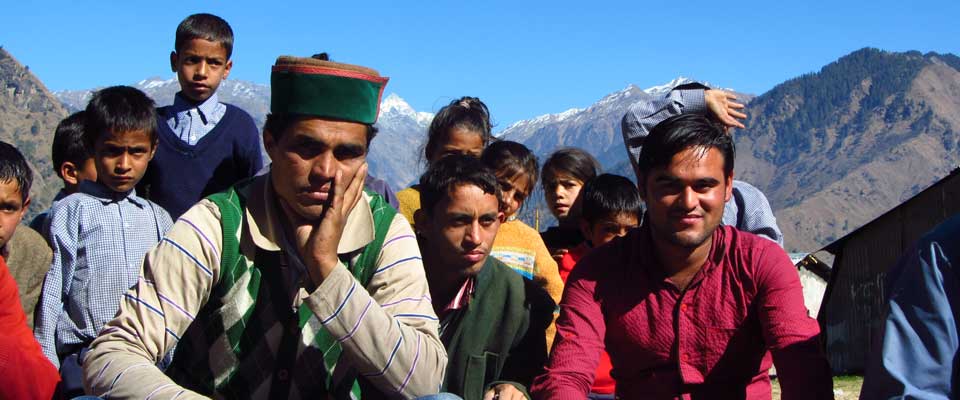
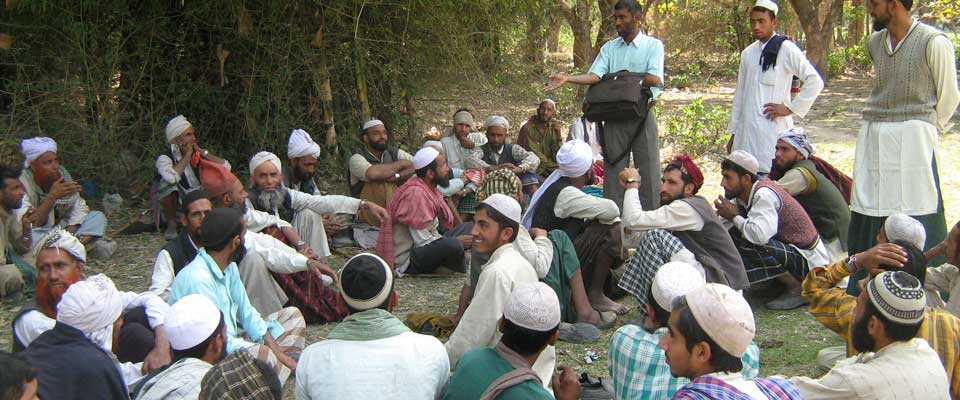
Community empowerment gives residents a meaningful role in planning and monitoring relief. Local committees, village meetings, and inclusive consultations can help ensure that assistance reaches people with disabilities, older adults, children, women-headed households, and families living in remote forest or pastoral areas.
From Relief to Long-Term Resilience
Emergency aid is most effective when it contributes to recovery rather than creating short-term dependence. Restoring grazing access, strengthening local livelihoods, improving market links, and securing rights can help families recover with greater independence.
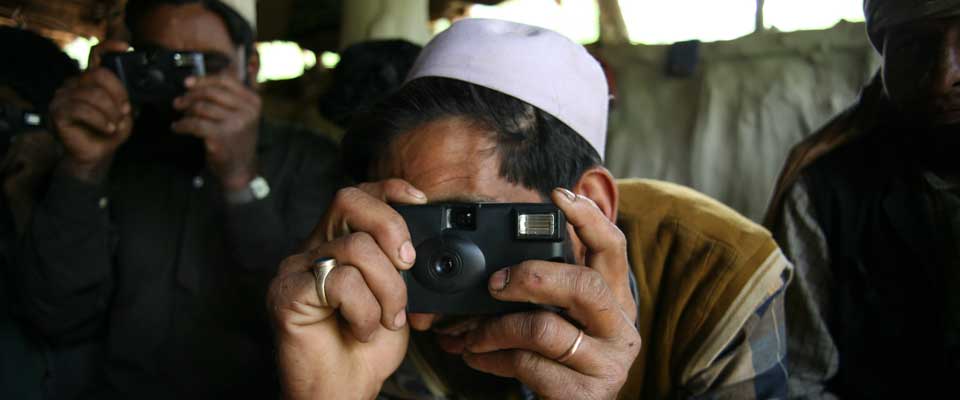
SOPHIA’s media and photo archive can also help document community experiences, relief needs, and recovery priorities. Responsible documentation can raise public awareness and support advocacy while preserving community perspectives on environmental change, displacement, and resilience.
Practical priorities for stronger disaster preparedness include:
- Build village-level emergency contact networks and evacuation plans.
- Include livestock, fodder, and veterinary care in relief assessments.
- Help families secure identity, domicile, forest, and compensation documents.
- Coordinate with local authorities before the monsoon and winter hazard seasons.
- Record community-identified needs through ethical, consent-based documentation.
SOPHIA’s role in disaster relief is closely tied to its wider mission: strengthening the rights, livelihoods, and voice of Himalayan communities. Individuals, institutions, nonprofit partners, and responsible supporters can contribute by learning from the communities SOPHIA serves, sharing its work, supporting rights-based programmes, and developing partnerships that improve emergency preparedness and long-term recovery.