



Stories of resilience: Van Gujjar women facing adversity
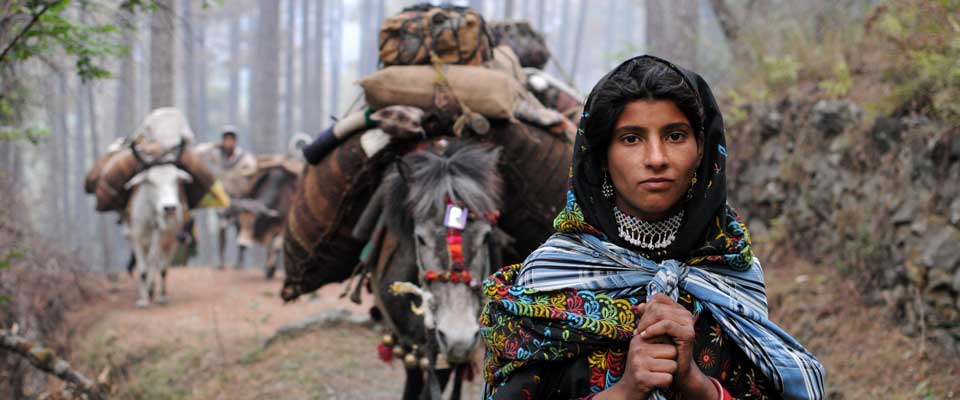
Across the forests and mountain valleys of northern India, Van Gujjar women sustain families, livestock, and community traditions through changing seasons. Their daily work is closely tied to buffalo husbandry, milk production, forest access, and the movement between pastoral settlements and winter homes.
This labour is often overlooked because it takes place beyond formal workplaces and public institutions. Yet women are central to household decisions, care work, income generation, cultural continuity, and community organizing. Their resilience is built through knowledge, cooperation, and persistence rather than through individual effort alone.
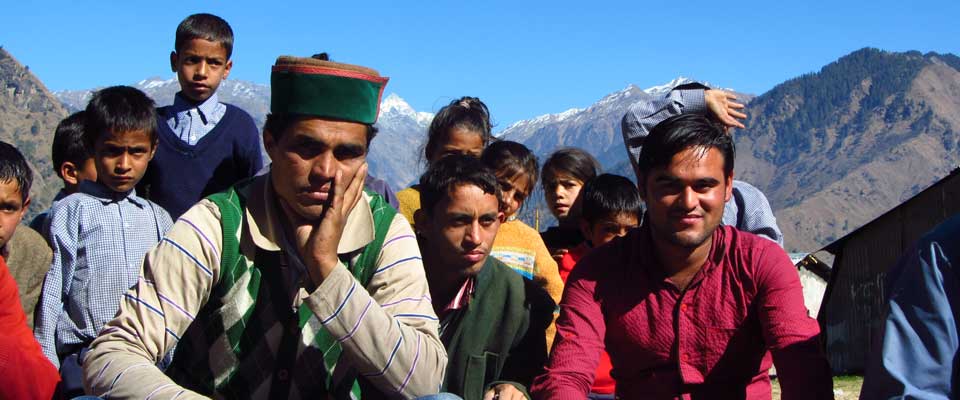
SOPHIA works with Van Gujjar and Himalayan village communities in Uttarakhand, Himachal Pradesh, and Uttar Pradesh. Through rights-based projects, social mobilization, advocacy, and government engagement, the organization helps communities strengthen their voice while protecting sustainable pastoral livelihoods.
Carrying knowledge across generations
Van Gujjar women possess detailed knowledge of buffalo care, seasonal grazing routes, fodder, water sources, and milk handling. This knowledge supports household nutrition and income, especially when families depend on a small number of animals and have limited access to markets or formal employment.
Women also pass on language, food practices, stories, and ecological understanding. These traditions help younger generations remain connected to their community while adapting to education, migration, new technologies, and changing regulations around forests and settlement.
Meeting pressure with collective strength
Adversity can take many forms: uncertain access to forests, long distances to health services, limited documentation, insecure housing, and difficulties reaching fair milk markets. Women frequently manage these pressures while caring for children, older relatives, and livestock.
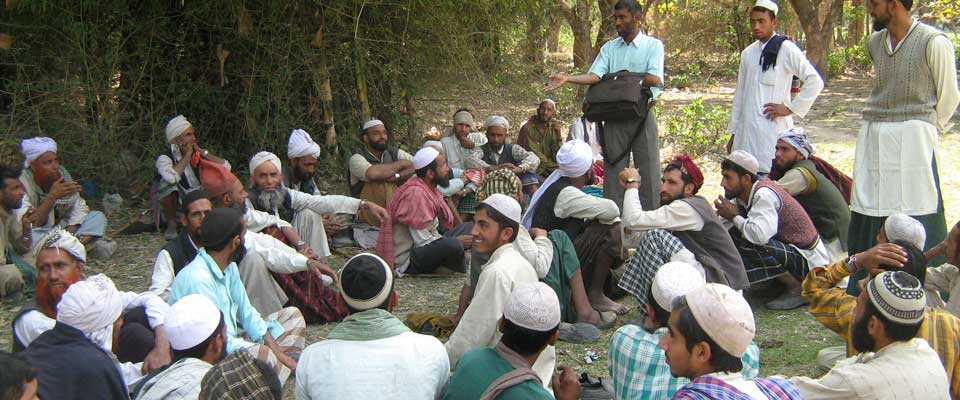
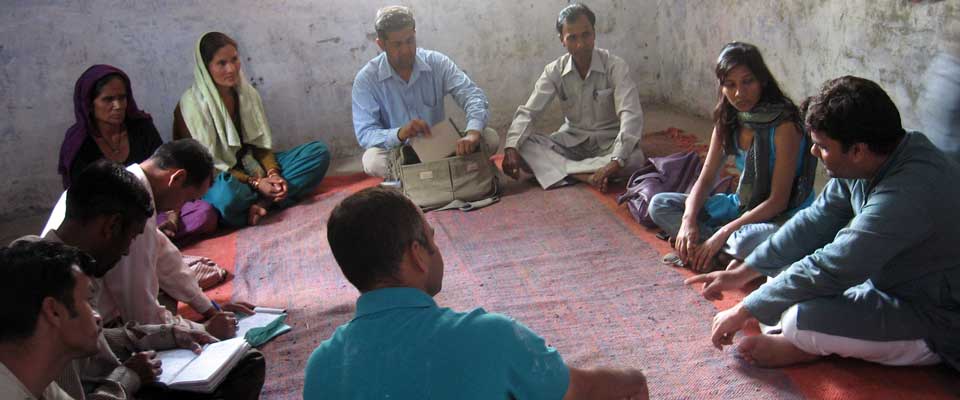
Collective action can reduce that burden. When women meet through community groups, they can share information, identify common concerns, support families during crises, and build confidence in speaking with officials. A shared voice is often more effective than isolated appeals.
Rights, recognition, and public participation
Forest rights and domicile rights are closely connected to the security of Van Gujjar families. Without recognition of residence, customary use, and livelihood practices, communities may face decisions made without their meaningful participation. Women are especially affected when documentation and public processes exclude their experiences.
Participation changes when women have opportunities to attend meetings, understand government schemes, and contribute to advocacy. SOPHIA’s community-centered work supports this process by connecting local priorities with wider rights-based engagement and partnerships.
From household labour to leadership
Women’s work in buffalo husbandry and milk marketing demonstrates practical leadership. They monitor animal health, organize feeding, manage milking, and often handle the daily relationships that keep household production functioning. When this expertise is recognized, women can influence decisions beyond the home.
Stories of women community leaders show how experience can become public leadership. A woman who begins by solving household or village concerns may later help represent her community in discussions about services, land, education, or livelihood support.
Resilience in everyday decisions
Resilience is visible in ordinary choices: saving milk for a child, finding fodder during a difficult season, preserving a customary route, or helping a neighbour navigate an administrative process. These actions rarely receive public attention, but together they protect family wellbeing and community stability.
Women also respond creatively to change. Some seek better market connections, encourage children’s education, participate in awareness programs, or use mobile phones to share information. Their strength lies in balancing continuity with adaptation while safeguarding the dignity of their families.
The following areas show how support can reinforce existing capacities rather than replace them:
| Area of support | Why it matters for women | Community benefit |
|---|---|---|
| Forest and domicile rights awareness | Strengthens access to information and public processes | More secure families and informed participation |
| Buffalo health and husbandry | Protects a key household asset | Healthier animals and steadier livelihoods |
| Fair milk marketing | Improves the value of women’s daily labour | Greater economic stability |
| Leadership development | Builds confidence and representation | Stronger community advocacy |
| Government engagement | Connects local needs with public services | Better responsiveness and accountability |
Supporting women-led community change
Effective support begins with listening. Programs are stronger when women help define priorities, schedules, and practical solutions. Meetings must account for care responsibilities, seasonal movement, transport barriers, and the realities of pastoral life.
Training in rights, financial literacy, animal care, cooperative practices, and public speaking can create lasting benefits. So can partnerships among local organizations, government departments, and community representatives. The goal is to strengthen women’s choices and leadership without separating them from their cultural and ecological context.
Ways to stand with Van Gujjar women
- Share accurate information about indigenous rights, forest access, and public services.
- Support fair and sustainable milk-marketing systems that value women’s labour.
- Promote women’s participation in community meetings and local decision-making.
- Help document women’s stories, knowledge, and leadership with their consent.
- Partner with organizations working on pastoral livelihoods and social justice.
Van Gujjar women are not simply surviving difficult circumstances. They are sustaining economies, defending community rights, caring for animals, and shaping the future of Himalayan pastoral life. Their experiences deserve recognition in policy, development work, media, and public conversations.
Support community-led action by learning about SOPHIA’s projects, sharing its work, and building partnerships that place Van Gujjar women’s knowledge and leadership at the centre of lasting change.