



Legal Aid Clinics for Forest Rights Claims
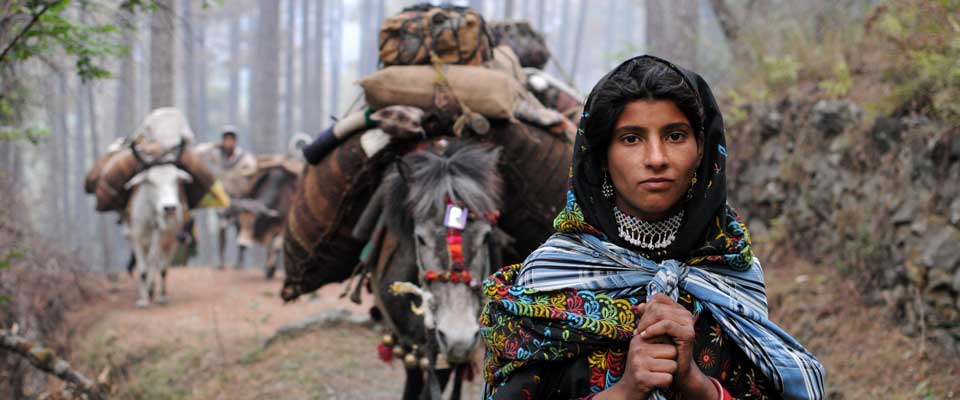
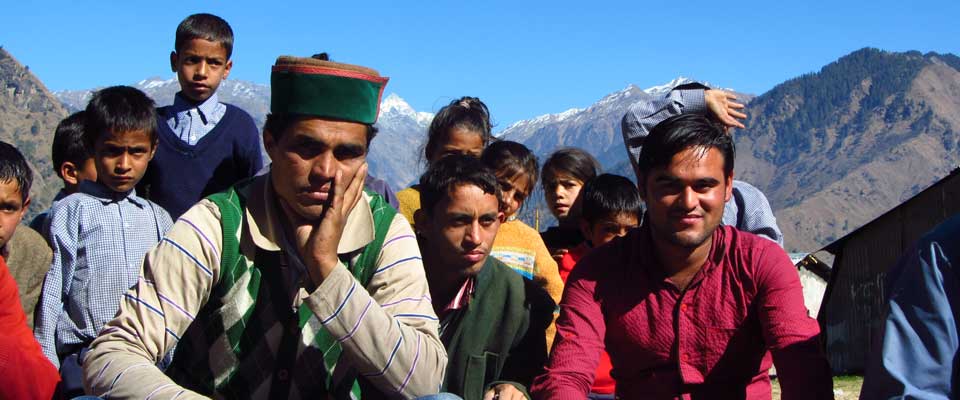
For Van Gujjar families and Himalayan village communities, forests are homes, workplaces, sources of fodder, and the foundation of pastoral life. Yet recognition of these relationships often depends on complex procedures, written evidence, maps, official records, and hearings that may be difficult to access from remote settlements.
Legal aid clinics can help communities understand the Forest Rights Act, prepare claims, collect supporting documents, and respond to unfair decisions. Through rights-based support, SOPHIA connects local knowledge with legal processes while encouraging collective action and respectful engagement with government institutions.
These clinics are especially valuable where families face seasonal migration, limited transport, low literacy, or uncertainty about their rights. A community-centred approach ensures that legal assistance strengthens local leadership rather than replacing it.
Understanding Forest Rights
The Scheduled Tribes and Other Traditional Forest Dwellers (Recognition of Forest Rights) Act, 2006, provides a framework for recognising individual and community forest rights. These may include rights to habitation, grazing, access to traditional resources, and the management or protection of community forest areas.
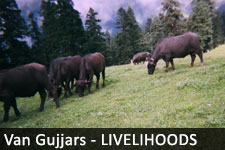
For Van Gujjar communities, claims may relate to customary residence, buffalo grazing routes, access to water, collection of forest produce, and seasonal movement. Each claim requires careful documentation because official records may not reflect long-standing pastoral practices.
What A Legal Aid Clinic Provides
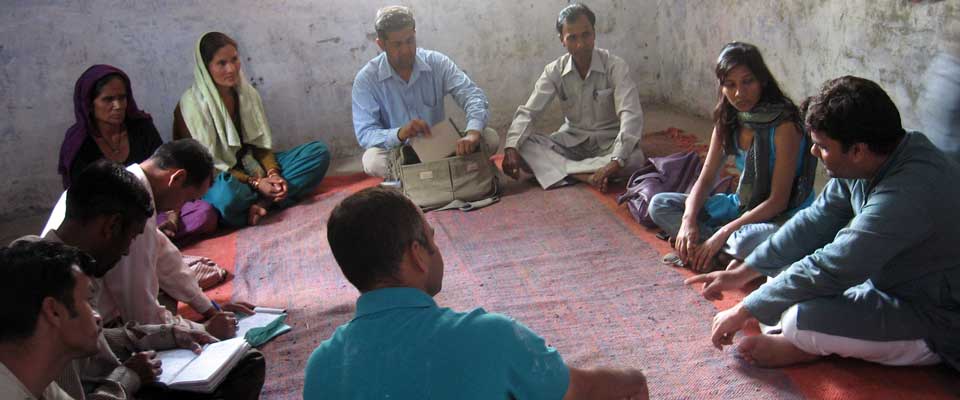
A legal aid clinic creates a local point of support where residents can receive practical guidance without travelling repeatedly to distant offices. Trained facilitators can explain eligibility, help families complete forms, translate official notices, and clarify the roles of the Gram Sabha, Forest Rights Committee, Sub-Divisional Level Committee, and District Level Committee.
The process may include recording oral histories, preparing family and community statements, reviewing satellite maps, identifying witnesses, and organising copies of identity or residence documents. Clinics can also help claimants track applications and submit appeals when a claim is rejected without adequate reasoning.
From Local Evidence To A Strong Claim
Evidence does not always take the form of a land deed. Community testimonies, old government correspondence, school records, ration cards, forest permits, revenue documents, grazing patterns, and customary-use maps may help establish residence or traditional dependence on forest resources.
A careful case file should distinguish between individual and community claims and describe the specific rights being requested. It should also record the dates of Gram Sabha meetings, resolutions passed, inspection reports, objections, and decisions. This organised approach reduces confusion and gives communities a clearer basis for follow-up.
| Claim support | Useful evidence | Clinic assistance |
|---|---|---|
| Individual or household rights | Residence records, family testimony, maps, older official documents | Form completion and document review |
| Community grazing rights | Collective statements, customary routes, seasonal-use maps | Community mapping and resolution drafting |
| Access to forest resources | Witness accounts, local registers, resource-use records | Evidence organisation and legal explanation |
| Appeal against rejection | Written decision, hearing record, supporting documents | Appeal preparation and submission tracking |
Reaching Remote Himalayan Communities
Distance can turn a simple administrative step into a major financial and logistical burden. Seasonal weather, poor roads, limited mobile connectivity, and livelihood responsibilities may prevent families from attending hearings or obtaining certified copies.
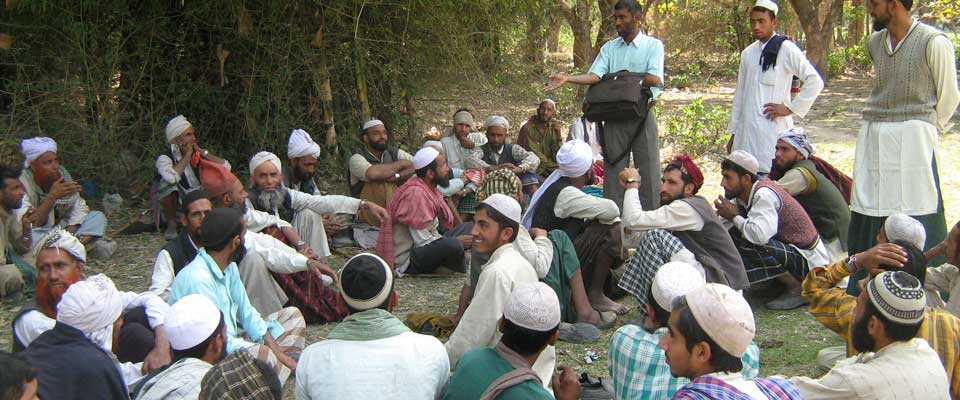
Mobile legal clinics, village meetings, and scheduled visits can bring support closer to settlements. Health and welfare concerns also affect a family’s ability to pursue a claim; reports on remote health challenges show why rights work must account for the wider realities of life in isolated Himalayan areas.
Local language support is equally important. When residents understand each stage of the process, they can make informed decisions, identify errors, and communicate directly with officials.
Building Community Legal Capacity
A strong clinic develops paralegal skills within the community. Youth, women’s representatives, pastoral leaders, and members of village institutions can learn how to maintain registers, read notices, document meetings, and support neighbours with basic applications.
Women’s participation deserves specific attention because household documents, access to fuel and fodder, and family livelihood decisions may affect them directly. Inclusive meetings help ensure that collective claims reflect the experience of all users of the forest landscape.
Practical Priorities For Effective Clinics
- Hold rights-awareness sessions before collecting claim documents.
- Use participatory maps that record grazing routes, water sources, settlements, and seasonal movement.
- Keep secure copies of applications, receipts, resolutions, and official decisions.
- Train local volunteers to monitor deadlines and communicate hearing dates.
- Link legal support with advocacy, livelihood programmes, and government engagement.
Accountability And Long-Term Rights
Legal aid is most effective when it continues beyond the submission of a form. Clinics can monitor whether authorities conduct fair verification, provide written reasons for decisions, and recognise the role of the Gram Sabha in the process.
Community monitoring also helps identify broader patterns, such as repeated rejection of pastoral claims, incomplete consultations, or pressure to relocate without due safeguards. Documenting these concerns allows SOPHIA and community partners to pursue constructive dialogue, representation, and policy advocacy.
Forest rights recognition can strengthen sustainable pastoral livelihoods when communities have secure access to grazing areas and a meaningful role in conservation. It can also support better buffalo husbandry, milk marketing, and local stewardship of shared resources.
SOPHIA’s work with Van Gujjar and Himalayan village communities depends on collaboration between residents, local organisations, legal practitioners, and public authorities. Support a community legal aid clinic by contributing time, skills, documentation assistance, or resources through SOPHIA’s rights-based programmes.