




Why common grazing land matters for people and nature
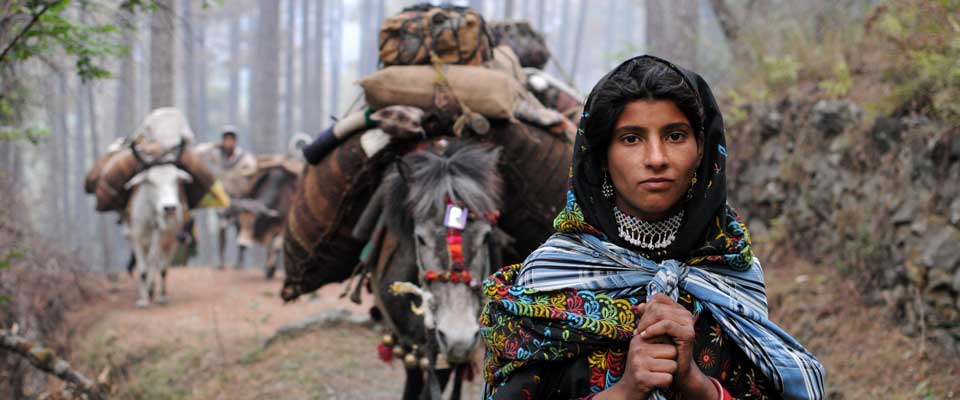
Common land is shared space managed through community customs, local institutions, or public rules. It may include forests, grasslands, riverbanks, scrublands, and seasonal pasture. For pastoral households, these areas provide fodder, water, shade, and routes for moving livestock between winter and summer grazing grounds.
In the Himalayan region, common land is also an ecological network. When responsibly managed, it supports native plants, pollinators, birds, soil organisms, and wildlife. Its value cannot be measured only through commercial production because it also protects watersheds, stores carbon, and strengthens food security.
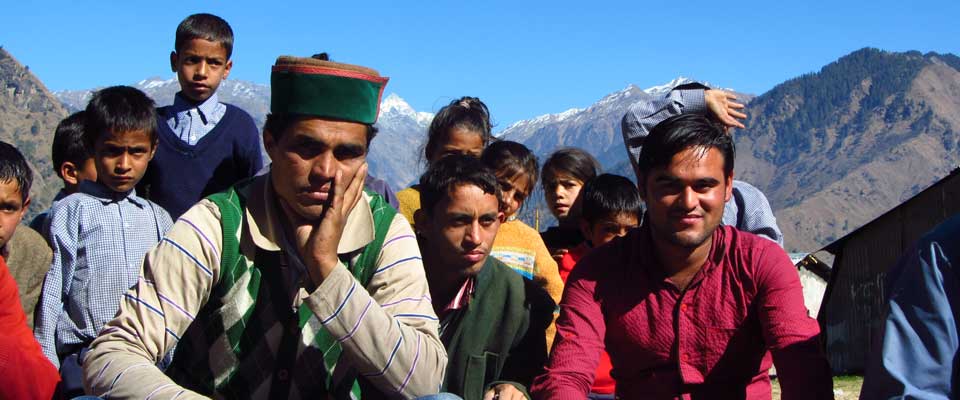
For Van Gujjar and village communities, access to grazing areas is closely connected with forest rights, domicile rights, cultural identity, and household income. Organizations such as SOPHIA work with communities to defend these rights while encouraging sustainable pastoral livelihoods and stronger local participation in decision-making.
Shared landscapes support biodiversity
Grazing commons often contain a mosaic of habitats rather than a single uniform field. Open meadows, woodland edges, streams, and shrub patches create different conditions for flowering plants, insects, reptiles, and birds. Moderate grazing can maintain this variety by preventing dense vegetation from taking over every part of the landscape.
Livestock also help distribute seeds and nutrients as they move across customary routes. Their presence can support plant regeneration when grazing pressure remains within the land’s capacity. Problems arise when access is unregulated, herds are concentrated in fragile areas, or seasonal rest periods are ignored.
Healthy commons can also reduce pressure on protected forests. When communities have secure and predictable access to suitable pasture, they can plan grazing movements and protect sensitive habitats. SOPHIA’s work on forest-based livelihoods reflects this connection between natural resources, household wellbeing, and community rights.
Ecological benefits reach beyond pasture
Vegetation on common land holds soil in place during heavy monsoon rainfall. Root systems improve water infiltration, while leaf litter helps maintain moisture and soil fertility. These functions benefit farms, springs, and downstream settlements, including households that do not keep livestock.
Pasture biodiversity also provides resilience during climatic uncertainty. A landscape with many plant species is more likely to offer usable fodder during dry periods, unusual snowfall, or delayed rainfall. Diverse habitats give wildlife alternative food and shelter as conditions change.
| Common-land function | Benefit for communities | Benefit for biodiversity |
|---|---|---|
| Seasonal grazing | Fodder and lower livestock costs | Maintains open habitats |
| Forest and shrub cover | Fuel, shade, and water protection | Shelter for birds and small mammals |
| Community rules | Predictable resource access | Limits overuse and habitat damage |
| Livestock movement | Nutrient and seed dispersal | Supports plant regeneration |
| Wetlands and stream edges | Water for people and animals | Breeding and feeding areas for wildlife |
Pastoral livelihoods depend on access
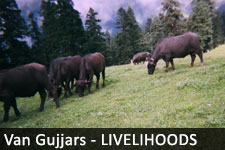
Buffalo husbandry and milk production rely on affordable fodder. If families lose access to common grazing land, they may need to purchase more feed, reduce herd size, or migrate for work. These changes can weaken household income and reduce the viability of traditional pastoral systems.
For Van Gujjar families, seasonal movement is part of an established way of life. Grazing routes connect forests, village commons, and temporary settlements. Barriers created by unclear boundaries, restrictions without consultation, or competing land uses can disrupt this system and place additional burdens on women and older people who manage animals and household resources.
Secure access does not mean unlimited extraction. It means that communities have recognized rights, clear responsibilities, and a meaningful role in decisions affecting the lands on which their livelihoods depend.
Rights and stewardship belong together
Community forest and grazing rights are strongest when supported by local knowledge and transparent institutions. Pastoralists understand seasonal fodder cycles, water sources, animal routes, and signs of ecological stress. Their experience can improve restoration and conservation plans.
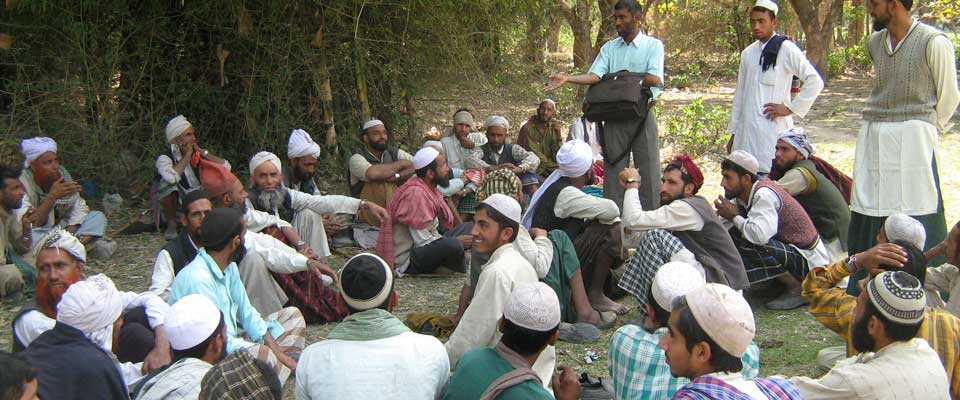
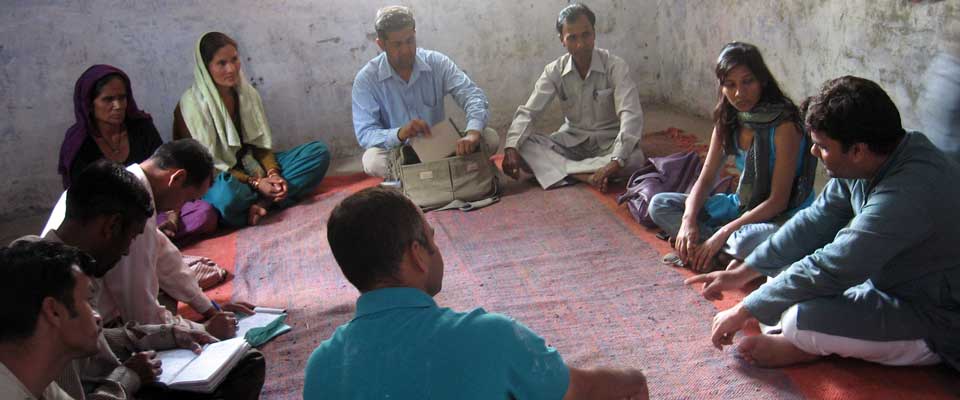
Village meetings, social mapping, grazing calendars, and locally agreed rules can help identify areas that need seasonal protection. Communities may decide to rotate pasture, reserve grass for late summer, protect spring recharge zones, or restrict grazing near regenerating forests.
Government departments and civil society groups have an important role in recognizing these arrangements. Engagement should focus on dialogue, accessible information, fair enforcement, and respect for indigenous and customary practices rather than imposing conservation measures without community consent.
Practical ways to protect common land
Sustainable management works best when ecological goals are connected to everyday livelihood needs. A plan that protects grassland but leaves families without fodder is unlikely to endure. Equally, unrestricted use can damage the resource base that communities will need in the future.
Useful actions can be adapted to local conditions:
- Map grazing routes, water points, forests, wetlands, and areas vulnerable to erosion.
- Establish seasonal rotation and rest periods based on rainfall, plant recovery, and herd size.
- Restore degraded patches with native grasses, shrubs, and soil-and-water conservation measures.
- Strengthen women’s and pastoralists’ participation in village resource decisions.
- Record community observations on fodder availability, wildlife, springs, and changing weather.
Monitoring should be simple enough for local groups to maintain. Photographs, seasonal registers, and village discussions can reveal whether pasture cover is improving, whether water sources are reliable, and whether particular areas are facing excessive pressure.
Building partnerships for lasting protection
Common land is affected by many institutions, including panchayats, forest authorities, livestock departments, dairy networks, and conservation organizations. Cooperation among these bodies can reduce conflicting rules and create better support for pastoral households.
Partnerships can also improve milk collection, veterinary care, fodder planning, and access to government schemes. When families receive fair returns from buffalo husbandry and milk marketing, they have stronger incentives and greater capacity to care for shared resources.
SOPHIA’s rights-based approach places community empowerment at the center of this work. Advocacy, social mobilization, government engagement, and collaboration with other NGOs can help ensure that biodiversity protection strengthens local livelihoods instead of displacing them.
Protecting common grazing land is an investment in healthy forests, resilient villages, and living pastoral traditions. Support community-led mapping, rights awareness, sustainable livestock practices, and local conservation efforts through SOPHIA’s programs and partnerships.