








Milk Quality Starts With Trust in Rural Cooperatives
For rural dairy cooperatives, milk quality is closely connected to household income, public health, and community confidence. A reliable testing system helps producers receive fair payment while giving buyers confidence that milk is clean, fresh, and suitable for processing.
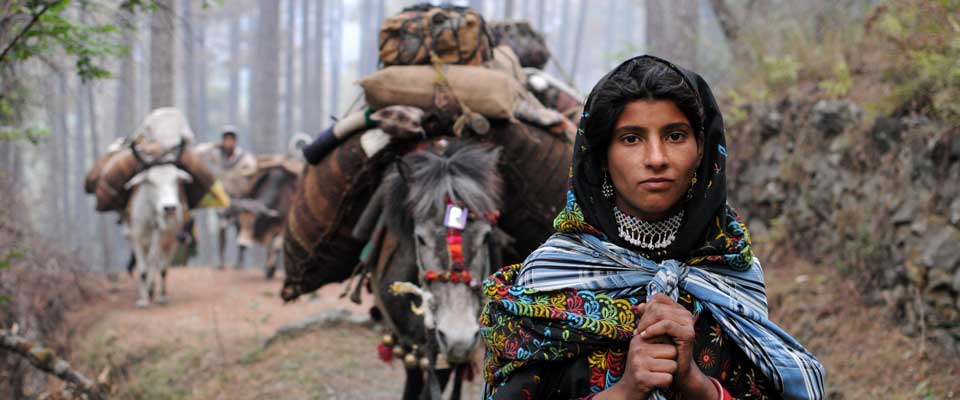
In Himalayan and forest-edge communities, milk collection often takes place across difficult terrain and changing weather conditions. Buffalo husbandry, pastoral movement, limited refrigeration, and long travel distances can all influence fat content, bacterial growth, and shelf life.
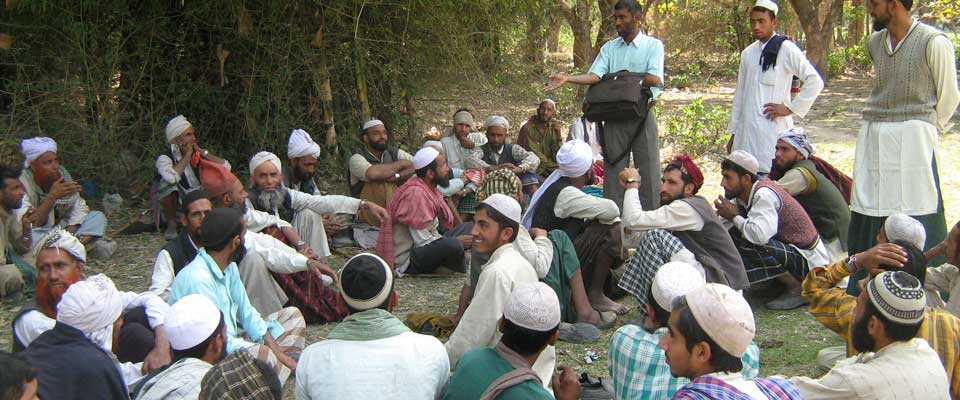
SOPHIA’s work with Van Gujjar and Himalayan village communities provides an important context for improving dairy livelihoods. When local institutions combine practical training with rights-based community organizing, quality control becomes a shared responsibility rather than a burden placed on individual producers.
Why milk testing matters
Milk testing at the collection point can identify problems before they affect an entire cooperative’s supply. Basic checks for smell, appearance, temperature, acidity, fat, and adulteration offer immediate information about freshness and composition. Regular testing also helps separate genuine quality concerns from assumptions about a producer or community.
Payment based on measurable qualities can strengthen trust. Producers are more likely to follow clean milking and storage practices when they understand how results affect their earnings. Cooperatives, in turn, can use the records to identify seasonal patterns, support struggling households, and negotiate more effectively with processors.
Building a practical testing routine
A rural cooperative does not need an expensive laboratory to begin improving milk quality. A clean sampling container, lactometer, thermometer, acidity test kit, alcohol test, weighing scale, and simple recordbook can support an effective first-level system. Equipment should be protected from dust, moisture, and extreme temperatures.
Testing should happen at consistent points in the collection process. Staff can check the first can from each producer, test pooled milk before dispatch, and carry out additional checks when milk arrives warm, unusually thin, sour-smelling, or separated. Samples should be mixed carefully and collected with clean equipment to avoid inaccurate results.
The routine must be easy to explain and repeat. A short local-language checklist, visible testing results, and clear procedures for rejected or doubtful milk can prevent disputes. When producers can observe the process, quality assurance becomes more transparent.
Choosing indicators and tools
Different tests answer different questions. Temperature and sensory checks are quick indicators of handling, while fat and solids-not-fat measurements help determine composition and payment. Acidity and alcohol tests can reveal poor keeping quality, although they should be interpreted alongside storage and transport conditions.
Cooperatives should select tools that match their staff capacity, electricity supply, budget, and collection volume. Digital analyzers may provide rapid readings, but manual methods can remain useful where maintenance, calibration, or battery charging is difficult.
| Quality indicator | Practical purpose | Suitable action |
|---|---|---|
| Temperature | Shows whether cooling has been delayed | Cool quickly and review transport timing |
| Fat and solids-not-fat | Supports fair composition-based payment | Record results and calibrate equipment |
| Acidity or alcohol stability | Indicates freshness and processing suitability | Hold, retest, or reject doubtful milk |
| Smell and appearance | Detects visible spoilage or contamination | Prevent mixing with the main batch |
| Added water or adulterants | Protects product integrity | Investigate causes and provide guidance |
Testing should never be used simply to punish producers. A failed result may reflect a dirty container, late collection, lack of shade, or inadequate cooling rather than deliberate misconduct. Corrective advice and a chance to retest can protect both milk quality and producer participation.
Training people who handle the milk
Milking families need practical guidance on washing hands, cleaning udders, filtering milk, and using food-safe containers. Metal or approved food-grade cans are generally easier to clean than porous vessels. Containers should be washed soon after emptying, dried upside down, and protected from animals, smoke, and household waste.
Collection staff require a different set of skills. They must know how to mix samples, operate and clean instruments, recognize abnormal readings, and document results without altering them. Refresher sessions are especially important after seasonal migration, staff changes, or the introduction of new equipment.
Women and young people can play valuable roles in testing, recordkeeping, and cooperative management. Inclusive training broadens local expertise and ensures that quality decisions reflect the knowledge of those involved in milking, feeding, transport, and sales.
Connecting quality with the value chain
Quality improvements have greater impact when they are linked to dependable collection, cooling, transport, and marketing. A cooperative that tests milk accurately but sends it unrefrigerated over long distances may still face spoilage and rejected loads. Understanding the wider milk value chain helps communities identify where losses occur and which investments matter most.
Small improvements can include shaded collection points, insulated containers, faster pickup schedules, and shared chilling facilities. Cooperatives can also compare rejection rates, transport times, and payment differences each month. These records create evidence for discussions with dairy companies, local authorities, and development partners.
Transparent quality-based pricing should be explained before it begins. Producers need to know which tests are used, how often equipment is checked, and how they can appeal an unexpected result. This safeguards dignity while creating a stronger incentive for careful handling.
Steps for a stronger cooperative system
A cooperative can begin with modest actions and expand as skills and resources grow. The following priorities are practical for village-level implementation:
- Create a written milk acceptance and testing protocol in the local language.
- Calibrate testing equipment regularly and keep a maintenance log.
- Train at least two people from each collection point to avoid dependence on one operator.
- Record producer-wise results, rejected quantities, temperatures, and transport times.
- Review data monthly with members and agree on supportive corrective measures.
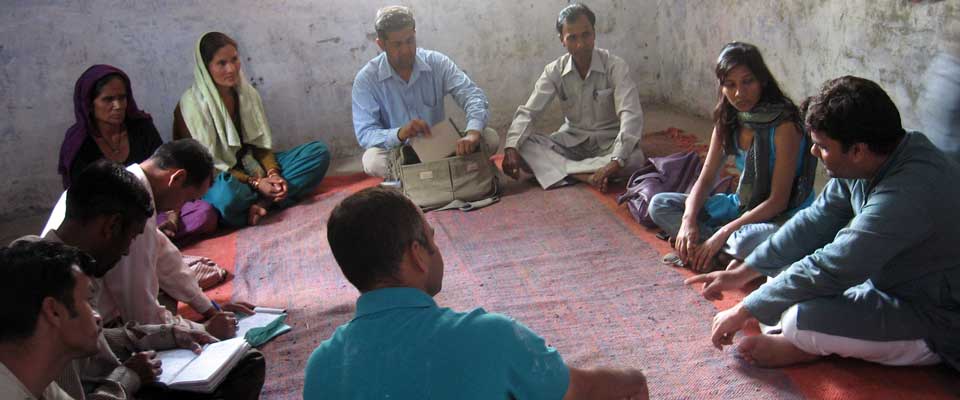
Community monitoring can make these steps more effective. Members may form a small quality committee to review records, inspect collection areas, and communicate concerns to cooperative leaders. External partners can assist with training, equipment selection, and links to government dairy or veterinary services without taking control away from the community.
SOPHIA and similar organizations can help connect milk quality work with sustainable pastoral livelihoods, buffalo health, forest rights, and local economic empowerment. Support for testing equipment, training, and transparent cooperative systems can turn safer milk into more stable income for Himalayan households. Get involved by partnering with community-led initiatives and helping rural cooperatives build quality systems they can manage for themselves.