





Advocacy for the recognition of pastoralist rights in India
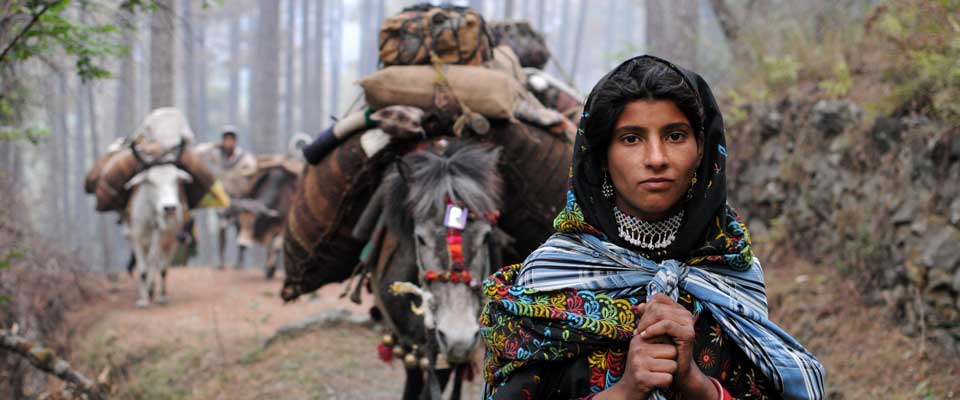
Across India’s mountains and forests, pastoralist communities sustain livelihoods through seasonal movement, livestock care, and close knowledge of local ecosystems. Van Gujjar families and other pastoral groups have long depended on forests, grazing routes, water sources, and customary settlements, yet their relationship with these landscapes is often poorly reflected in official records.
Recognition of pastoralist rights means more than granting access to land. It involves respecting mobility, protecting community decision-making, securing forest and domicile rights, and ensuring that public policy supports sustainable pastoral livelihoods. Effective advocacy connects legal provisions with the daily experiences of communities.
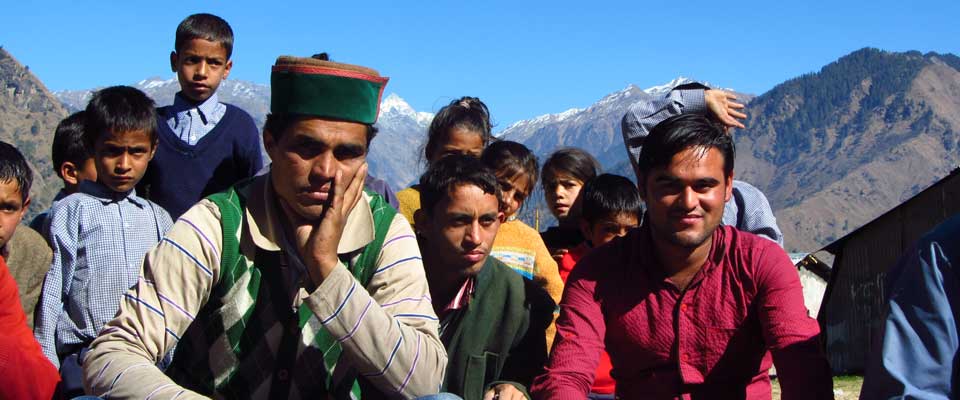
SOPHIA works with Van Gujjar and Himalayan village communities in Uttarakhand, Himachal Pradesh, and Uttar Pradesh. Through social mobilization, rights-based projects, government engagement, and partnerships, it helps communities build the knowledge and collective voice needed to influence decisions affecting their future.
Why pastoral mobility matters
Pastoralism is an adaptive livelihood suited to diverse mountain and forest environments. Families move buffalo and other livestock according to seasonal conditions, allowing grazing areas time to recover while making productive use of landscapes that may not support settled cultivation.
For Van Gujjars, buffalo husbandry and milk marketing are closely connected to household income, food security, and cultural identity. Restrictions on movement, insecure residence, or limited access to veterinary services can therefore create a chain of economic and social pressures.
When authorities recognize pastoral mobility as a legitimate livelihood system, development planning becomes more practical. Roads, schools, health services, markets, and forest management can be designed around seasonal patterns instead of treating movement as evidence of exclusion or administrative difficulty.
The legal foundation for recognition
India’s Forest Rights Act, 2006, provides an important basis for recognizing the rights of forest-dwelling communities. Depending on local evidence and legal interpretation, relevant claims may include community rights, access to grazing areas, traditional use, and the management of community forest resources.
The Panchayats (Extension to Scheduled Areas) Act, constitutional protections, state land laws, and welfare policies may also support community participation and local self-governance. However, legal recognition depends on accessible procedures, accurate documentation, informed Gram Sabha processes, and officials who understand pastoral livelihoods.
Advocacy helps translate formal rights into practical outcomes. It can support the preparation of claims, collection of oral and documentary evidence, monitoring of applications, and dialogue with forest, revenue, animal husbandry, and rural development departments.
Barriers facing pastoralist communities
Many pastoral families encounter overlapping barriers: unclear domicile status, changing forest boundaries, limited identity documents, restrictions on grazing, and weak access to public services. Seasonal movement can make conventional proof of residence difficult, even when a community has maintained a long-standing relationship with a particular landscape.
Development projects, conservation measures, and settlement policies may be designed without meaningful consultation. Such decisions can reduce access to migration routes or pasture and may place additional burdens on women, older people, and children. SOPHIA documents these pastoralist rights challenges as part of broader community advocacy and public awareness work.
A rights-based response should avoid presenting conservation and pastoralism as opposites. Local herders often possess detailed knowledge of fodder cycles, water sources, animal health, and fire management. Their experience can strengthen environmental planning when institutions treat them as partners rather than obstacles.
From community evidence to public action
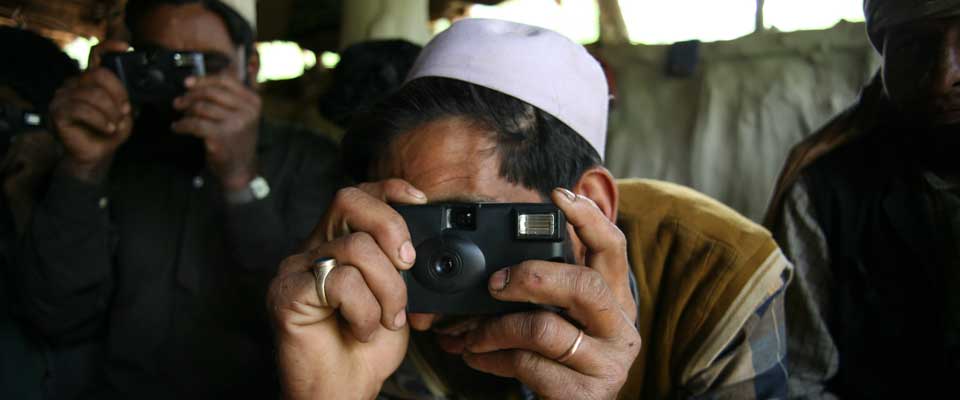
Successful advocacy begins with community-led evidence. Participatory mapping, household surveys, oral histories, photographs, livestock records, and testimonies can establish patterns of residence, seasonal migration, forest use, and customary management. This information becomes stronger when communities decide what should be recorded and how it should be presented.
The following areas show how advocacy can connect lived experience with institutional action:
| Community concern | Evidence that can help | Possible advocacy objective |
|---|---|---|
| Seasonal grazing access | Migration maps, community testimonies, livestock records | Recognition of customary grazing and mobility |
| Forest and domicile rights | Historical documents, village resolutions, family records | Fair processing of individual and community claims |
| Buffalo-based livelihoods | Milk sales, veterinary records, herd data | Better animal health services and market access |
| Participation in decisions | Gram Sabha minutes, consultation records | Meaningful community involvement in forest planning |
| Access to education and welfare | Seasonal settlement data, service gaps | Mobile or flexible public services |
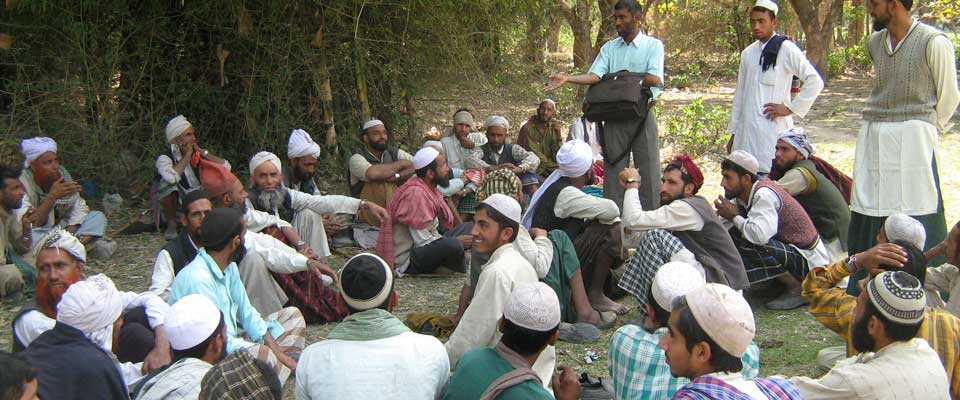
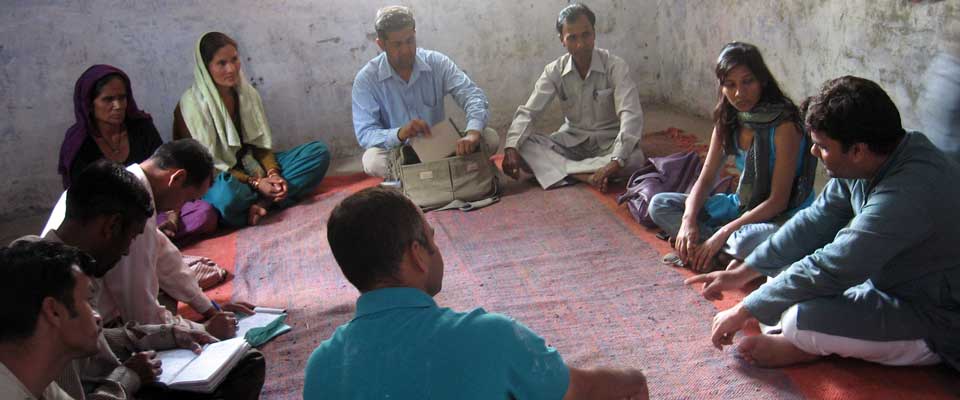
Collective action is especially important where individual families may lack the time, literacy, or confidence to approach government offices. Community meetings, rights education, leadership development, and legal support can turn isolated concerns into a shared platform for negotiation.
Linking rights with sustainable livelihoods
Pastoral rights advocacy should address income as well as recognition. Improved buffalo husbandry, vaccination, fodder planning, clean water, milk collection, and fair market connections can help families earn more from existing livelihood systems without increasing pressure on natural resources.
Women’s participation is central to this work. Women often manage milking, household finances, animal care, and relationships with local markets, yet their contributions may be overlooked in public meetings. Inclusive organizing creates space for women to shape demands and participate in decisions about land, services, and community institutions.
Sustainable pastoral development can also support climate resilience. Mobile livestock systems spread pressure across seasons and locations, while locally adapted animals and community knowledge can help households respond to drought, disease, and changing weather patterns. Policy should strengthen these capacities rather than impose uniform settlement models.
Building stronger alliances for change
Recognition requires sustained cooperation between communities, civil society organizations, researchers, legal practitioners, and public agencies. NGOs can help interpret laws, facilitate dialogue, train community leaders, and track whether official commitments produce real improvements on the ground.
Government departments also have a vital role. Clear procedures, multilingual information, mobile service delivery, coordinated records, and accountable grievance systems can reduce the administrative burden placed on pastoral families. Independent monitoring can help ensure that consultation is genuine and that approved rights are implemented.
Practical priorities for organizations and allies include:
- Support community-led mapping of grazing routes, forests, settlements, and seasonal resources.
- Strengthen legal literacy concerning forest rights, domicile, welfare access, and local governance.
- Include women and young people in leadership, documentation, and negotiation processes.
- Promote veterinary care, fodder security, milk marketing, and fair pastoral value chains.
- Create regular forums where pastoral communities can engage directly with government officials.
SOPHIA’s work demonstrates how advocacy can combine rights awareness, social mobilization, livelihood support, and institutional engagement. People who wish to support pastoralist communities can learn from this approach, share credible information, build responsible partnerships, and help amplify community priorities in public and policy discussions. Greater recognition begins when pastoral families are heard, their knowledge is respected, and their rights are implemented in practice.