


Building a school in a Van Gujjar winter camp
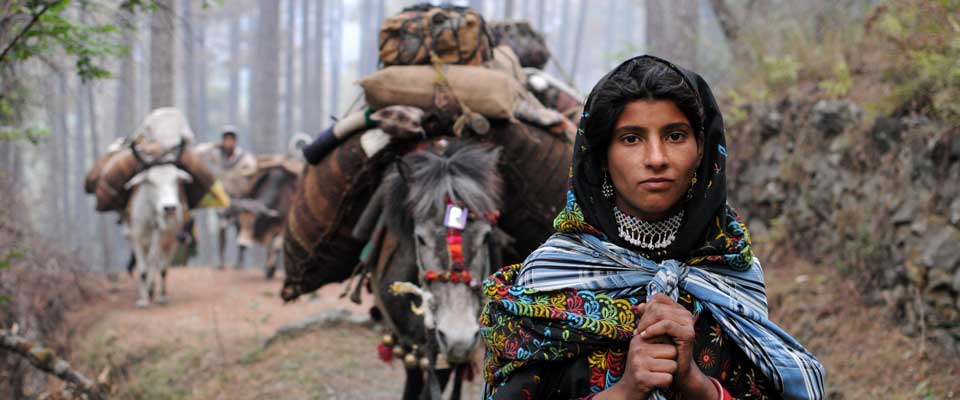
For Van Gujjar families, education must move with seasonal life. Many pastoral households spend the warmer months in forest grazing areas and shift to winter camps in the Terai foothills. A school in this setting needs to respect migration patterns, work responsibilities, language, and the community’s relationship with land and livestock.
A learning centre should be more than a temporary room with textbooks. It can become a safe space where children develop literacy and numeracy while learning about buffalo husbandry, forest stewardship, health, rights, and local traditions. Careful planning also helps families protect their children’s education when camps change location.
SOPHIA’s experience with social mobilization offers a useful foundation for this work. Its community engagement approach shows why local participation, dialogue, and cooperation with public institutions matter when a project serves mobile and underserved communities.
Why winter camps need a tailored school
A conventional village school may be too far from a winter camp, especially for younger children. Long walks, unsafe routes, household duties, and seasonal migration can all lead to irregular attendance. Girls may face additional concerns related to privacy, sanitation, and domestic responsibilities.
A camp-based school can reduce these barriers by bringing basic education closer to families. Its calendar should match the period when the community is settled, with flexible attendance arrangements for children who move between grazing areas and the winter settlement. Records must also be portable so that a child does not lose learning progress after migration.
Begin with community agreement
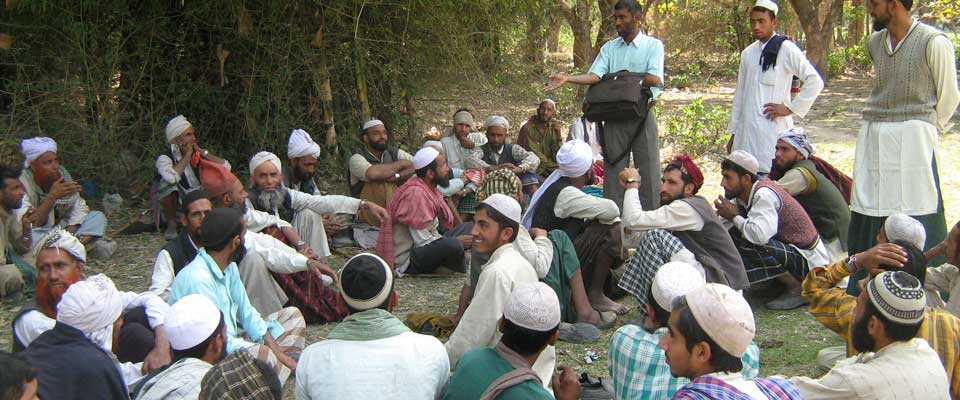
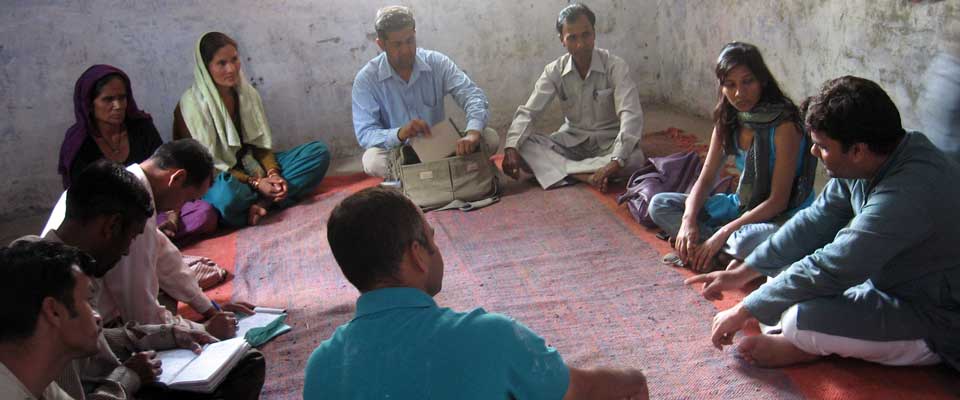
The first step is listening. Meetings with elders, parents, women, adolescents, traditional leaders, and local teachers can identify a suitable site, daily schedule, safety concerns, and expectations for learning. Separate discussions with women and children may reveal needs that are not voiced in larger gatherings.
Community members can help select a local education facilitator and establish a small oversight group. This builds trust and clarifies responsibilities for attendance, equipment, repairs, child protection, and communication with government schools. The process should align with Van Gujjar rights and avoid treating the community as a passive recipient of services.
Design a flexible learning space
The building can be modest, but it should be durable, well ventilated, and easy to maintain. A locally appropriate structure might use a raised floor, insulated walls, a secure roof, natural light, and a shaded outdoor area. It should remain usable during cold mornings, rain, and strong summer heat.
Furniture must suit young children and allow the room to serve several purposes. Foldable mats, low shelves, lockable storage, a blackboard, solar lighting, and washable learning materials can support a mobile school model. Separate sanitation facilities, handwashing water, menstrual hygiene provisions, and safe drinking water are essential rather than optional additions.
| School model | Strength | Limitation | Best use |
|---|---|---|---|
| Fixed winter-camp classroom | Familiar base and stronger community ownership | May be empty during migration | Camps with a stable seasonal population |
| Mobile teaching unit | Follows families and reaches scattered households | Requires transport and careful scheduling | Groups that shift frequently |
| Bridge centre linked to a government school | Supports formal enrolment and certification | Depends on coordination with officials | Children preparing to join or return to public schools |
Connect lessons to everyday life
Teaching becomes more meaningful when it reflects children’s experiences. Counting milk containers can introduce mathematics, while observing buffalo health can support science lessons. Stories about forests, migration routes, weather, and family history can strengthen reading skills and cultural confidence.
Instruction should begin in the children’s familiar language wherever possible, while gradually developing Hindi and, when appropriate, English. Teachers need simple multilingual materials and training in multi-grade classrooms. Learning should include play, art, storytelling, and practical activities rather than relying entirely on copying from a textbook.
Build a bridge to formal education
A winter learning centre should connect children with the wider education system. Staff can coordinate with nearby government schools on enrolment, age-appropriate placement, examinations, textbooks, scholarships, and transfer documents. A clear referral process helps children move into formal schooling without repeating years unnecessarily.
Attendance and learning records should remain with the child and family, not only with one institution. Periodic assessments can identify gaps in reading, writing, numeracy, and social development. These assessments should guide support rather than become a reason to exclude children who have experienced interrupted schooling.
Practical priorities for the first season
A focused first phase is often more effective than constructing a large facility before the model is tested. The school can begin with one classroom, a trained facilitator, essential supplies, and a clear agreement about the seasonal timetable.
Recommended priorities include:
- Map the winter camp, household numbers, migration dates, and nearby formal schools.
- Select a safe, accessible site through an open community decision.
- Recruit and train a facilitator who understands local language and pastoral life.
- Provide child-friendly materials, sanitation, drinking water, and secure storage.
- Review attendance and learning progress with families every month.
Sustainability depends on shared ownership. Government education departments, panchayats, rights-based organisations, and local donors can contribute different forms of support, from teacher payments and learning materials to documentation and infrastructure. Community monitoring should remain central so that services continue to reflect real needs.
A school built in a Van Gujjar winter camp can protect a child’s right to learn without asking families to abandon their livelihood or identity. Support SOPHIA’s work by sharing this model, partnering with community-led initiatives, or contributing time and resources to inclusive education for pastoral and Himalayan communities.