



How Government Schemes Reach Indigenous Pastoralists
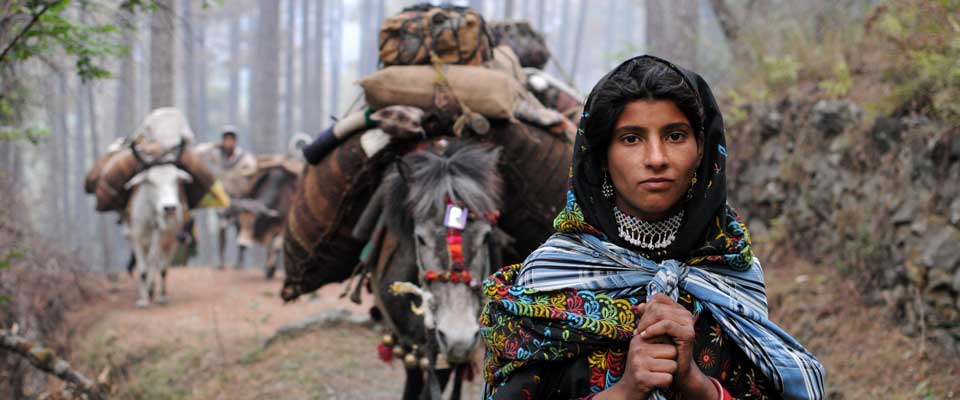
For indigenous pastoralists, a government scheme becomes meaningful only when it reaches the forest settlement, seasonal route, or remote village where families live and work. Van Gujjar communities and Himalayan pastoral households often depend on buffalo husbandry, milk sales, forests, and customary migration. Their access to public support is shaped by distance, documentation, mobility, and recognition of community rights.
India has programmes related to livestock health, rural livelihoods, food security, housing, social protection, skill development, and forest-based rights. Yet information about these schemes may not reach every household, and eligibility rules can be difficult to navigate. Local institutions and trusted community organizations help turn official provisions into practical support.
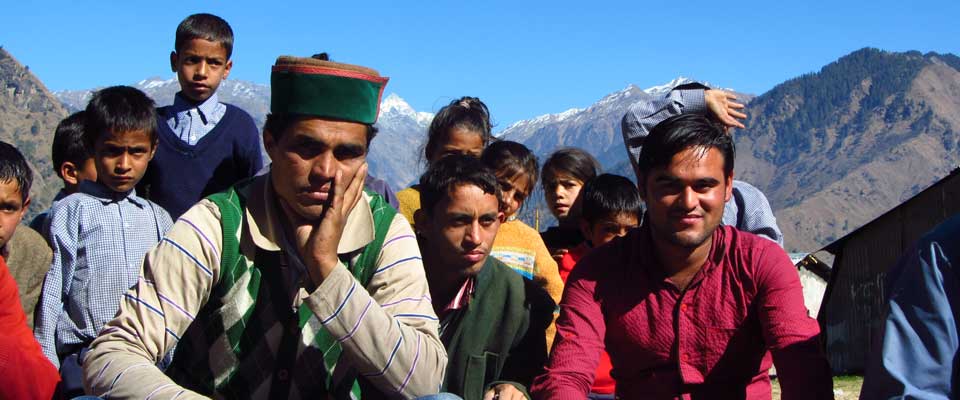
SOPHIA works with communities in Uttarakhand, Himachal Pradesh, and Uttar Pradesh through rights-based projects, social mobilization, advocacy, and engagement with government departments. This approach connects indigenous rights with everyday needs such as veterinary care, domicile certificates, milk marketing, and secure access to forests.
Finding the right scheme
The first step is identifying what a family needs and which department is responsible. A pastoral household may require animal vaccination from the animal husbandry department, a ration card through local administration, a bank-linked benefit through social welfare services, or recognition of forest rights through a forest rights committee and gram sabha.
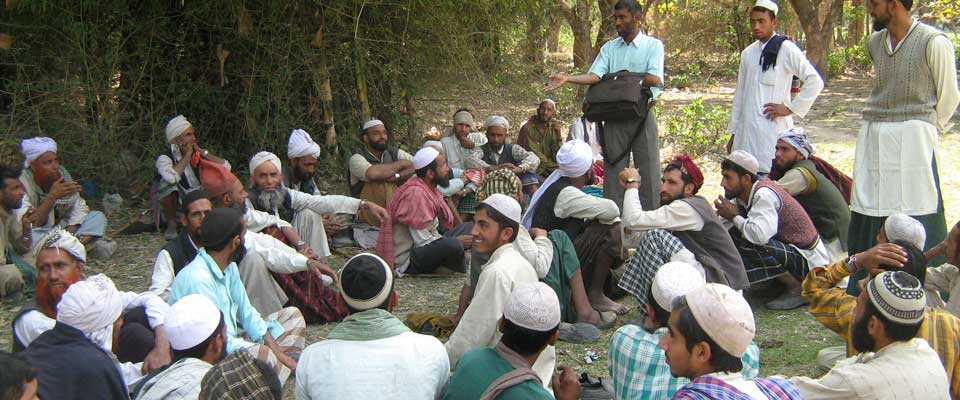
Schemes can be available through central, state, and district programmes. Their names, application processes, and eligibility conditions vary. Community meetings help map these options and prevent families from relying on incomplete information or informal promises.
Overcoming documentation barriers
Proof of identity, residence, land use, bank details, caste or tribal status, and family composition may be requested during enrolment. Mobile pastoralists and forest-dwelling communities may not possess conventional address documents, particularly when their livelihood involves seasonal movement.
Support with applications, affidavits, domicile claims, and corrections in official records can make a significant difference. Legal awareness is equally important, because documents should support community rights rather than force families to abandon customary practices or accept unsuitable categories.
Bringing services closer to remote settlements
Distance is a major reason benefits remain unused. A family may need to travel for several hours to reach a block office, veterinary centre, bank, or Common Service Centre. Travel costs, lost working time, and limited transport can discourage applications and follow-up.
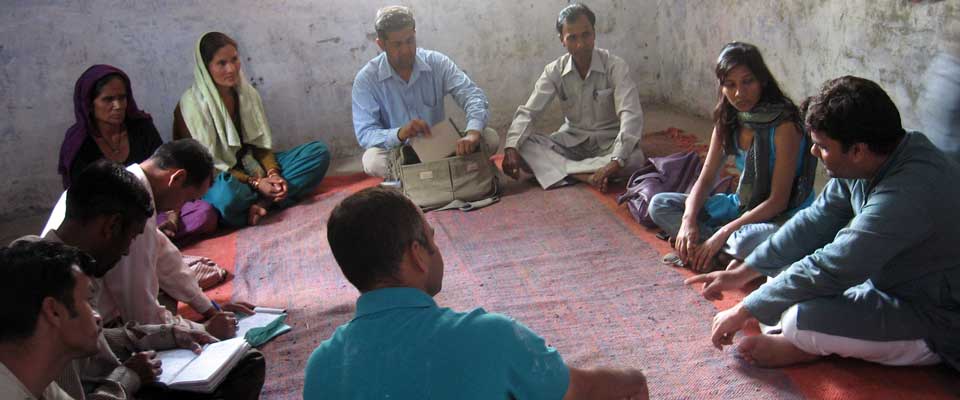
Outreach camps, mobile veterinary services, enrolment drives, and coordinated visits by officials can reduce these barriers. Community facilitators can gather applications, explain procedures in familiar languages, and track pending cases without replacing the responsibility of public institutions.
Linking livestock support with livelihoods
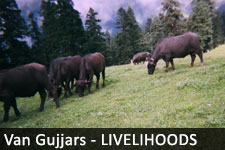
Buffalo husbandry is central to many Van Gujjar households. Animal vaccination, breeding services, fodder support, disease control, insurance, and access to affordable veterinary medicines can protect both household income and animal welfare.
Milk marketing schemes and producer groups can improve bargaining power when producers receive reliable weighing, transparent pricing, chilling facilities, and timely payments. Training should reflect local knowledge and pastoral realities rather than assume that every family follows settled farming practices.
| Area of support | What families may need | Practical delivery point |
|---|---|---|
| Livestock care | Vaccination, treatment, breeding, insurance | Mobile veterinary camp or local department |
| Forest and domicile rights | Claims support, evidence, recognition of customary use | Gram sabha and rights committee |
| Social protection | Ration, pensions, health coverage, scholarships | Panchayat, welfare office, or service centre |
| Milk livelihoods | Collection, fair pricing, chilling, producer groups | Cooperative or community enterprise |
| Financial access | Bank account, payments, credit, savings | Banking correspondent or nearby branch |
Protecting forest and pastoral rights
For communities whose livelihoods depend on forests and seasonal grazing, access to schemes cannot be separated from rights. Forest rights, domicile recognition, and participation in local decision-making influence whether households can use public services safely and consistently.
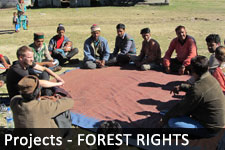
Government engagement is most effective when it includes the gram sabha, community representatives, and relevant departments. Documenting customary routes, settlements, grazing practices, and local priorities can help officials understand the realities behind an application. Advocacy also helps address exclusions that arise when policy is applied without cultural or geographic understanding.
Strengthening community-led access
Community empowerment makes scheme delivery more accountable. Trained local volunteers can share verified information, maintain household records with consent, accompany applicants, and report delays. Women and young people should have a visible role because they often manage household documents, animal care, milk sales, and communication with services.
Partnerships between NGOs, government offices, cooperatives, and community institutions can create a more dependable support network. The aim is not short-term distribution alone, but stronger public systems in which indigenous pastoralists can claim entitlements, monitor delivery, and shape programmes affecting their lives.
Practical steps for better access
- Hold regular information meetings in pastoral settlements and villages.
- Create a household-level list of documents, benefits, livestock needs, and pending applications.
- Coordinate outreach camps with animal husbandry, welfare, banking, and forest officials.
- Include women, elders, youth, and seasonal migrants in planning and monitoring.
- Record grievances and follow them through written applications, receipts, and public meetings.
SOPHIA’s work shows how rights-based organizing can connect remote communities with government institutions while respecting indigenous knowledge and pastoral livelihoods. Support for field outreach, legal awareness, community mobilization, and sustainable milk marketing helps make public schemes more accessible and responsive. Engage with SOPHIA to strengthen community-led action across the Himalayan region.