



Why Van Gujjar families keep separate herds for milk, breeding and ploughing
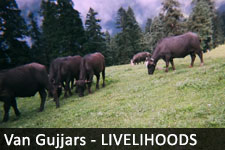
For Van Gujjar families in the Himalayan foothills, buffalo are central to food, income, transport and household security. Herd management is shaped by seasonal migration, forest access, available pasture and the different jobs an animal may perform over its lifetime.
Keeping animals in distinct groups is a practical way to protect valuable qualities. A productive milking buffalo has different needs from a young female selected for breeding or a strong animal used for draught work. These choices reflect generations of pastoral knowledge rather than a single fixed system followed by every family.
Milk animals support daily household needs
Milking buffalo are usually managed with close attention to feed, water, health and rest. Their milk may be consumed at home, turned into ghee or other products, or sold to traders and local collection points. Reliable milk income can help pay for salt, medicines, clothing, transport and children’s education.
A lactating animal also needs to remain calm and healthy. Families may keep these buffalo near the camp or village when possible, making twice-daily milking easier and reducing the risks of injury, disease or separation from calves. The routine is labour-intensive, but it provides a regular source of nutrition and cash.
Breeding animals protect the herd’s future
Breeding females and selected bulls are valued for traits such as fertility, body strength, temperament, disease resistance and ability to cope with mountain conditions. A family cannot judge an animal only by its present milk yield; its calves may carry qualities that sustain the herd for many years.
Separating breeding animals allows herders to control mating more carefully and avoid breeding between close relatives. Young animals can also be observed as they mature, while weak or unsuitable stock is less likely to influence the next generation. This is a form of community-based livestock improvement grounded in experience.
Ploughing animals provide physical power
In some rural settings, strong buffalo may be retained for ploughing, hauling or other heavy work. Their value comes from muscular build, sound legs, endurance and a steady temperament. These qualities do not always match those preferred in a high-yielding milk animal, especially when heavy work could reduce body condition.
Draft animals may be fed and rested according to agricultural demands. During cultivation periods, they can help prepare small fields or move loads where machinery is costly, inaccessible or unsuitable for steep terrain. Their contribution reduces dependence on hired equipment and keeps essential work within the household.
Seasonal movement changes herd decisions
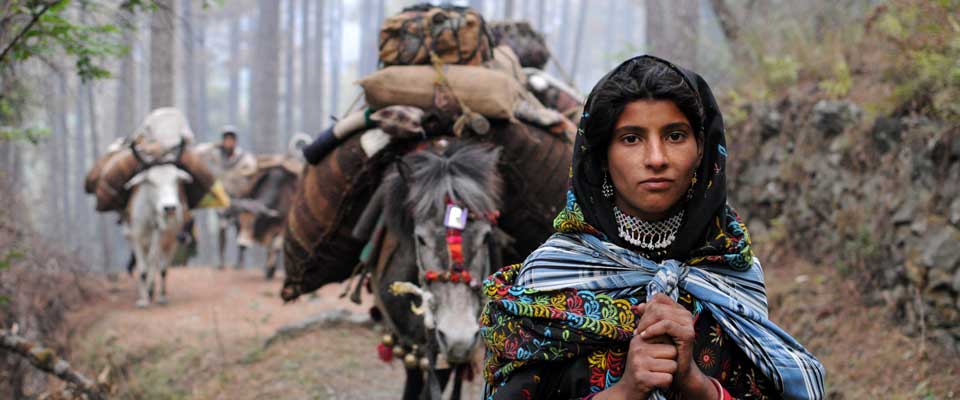
Van Gujjar families often move between forest and lowland areas in response to weather, pasture and customary seasonal routes. Herd groups may travel together for safety, yet their care can still differ. Calves, milking buffalo, pregnant animals and working stock may receive separate attention during difficult journeys.
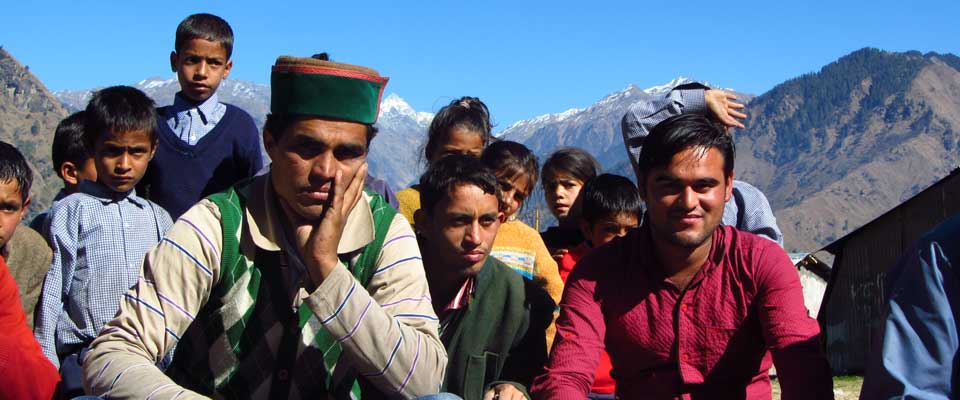
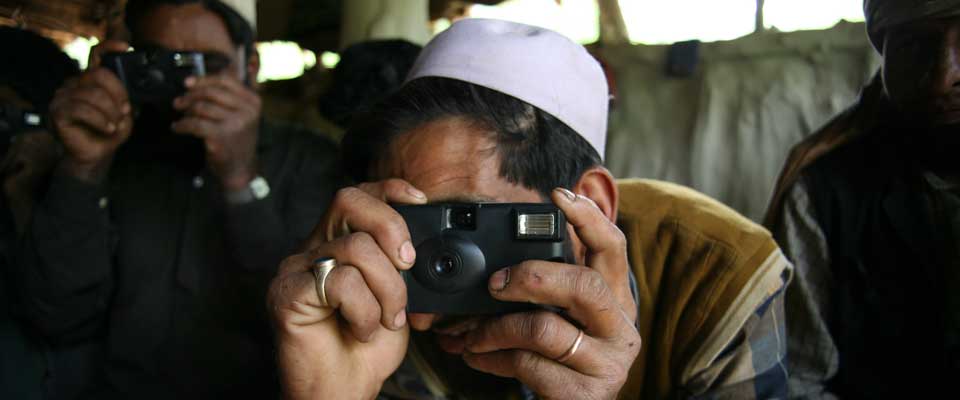
Access to forests is especially important because fodder, water and shelter affect the health of every animal. Restrictions on traditional movement, uncertain domicile rights and pressure on grazing areas can force families to alter herd sizes or sell animals prematurely. SOPHIA’s photo archive offers a valuable visual record of the people, landscapes and working relationships behind these decisions.
Household economics favour specialisation
Maintaining different herd groups can spread risk. Milk animals generate frequent income, breeding stock supports future replacement, and draught buffalo reduce farm expenses. If milk prices fall, a family may still benefit from agricultural work or the sale of a healthy young animal.
This approach is comparable to the way Australian rural households balance several income streams rather than relying on one product. A family near Melbourne or Sydney may buy supermarket milk without seeing the labour behind production, while remote Himalayan households often combine livestock, forest resources and seasonal work to meet basic needs.
Local markets shape what families keep
Milk marketing depends on distance, roads, collection systems, demand and bargaining power. Fresh milk is perishable, so a family may favour animals that produce consistently and can be milked near a collection point. Where formal markets are weak, processing milk into clarified butter or other longer-lasting products can make trade more practical.
Australian readers may recognise a related concern in the country’s dairy sector, where cold-chain management, food-safety rules and supermarket purchasing practices influence farm decisions. The Himalayan context is different, yet the principle is familiar: animals are managed according to the costs, risks and opportunities of the local market.
Rights and services influence herd survival
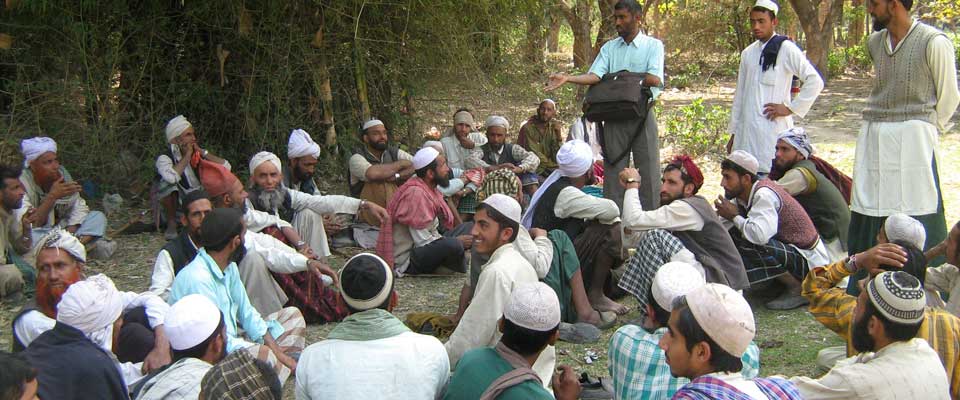
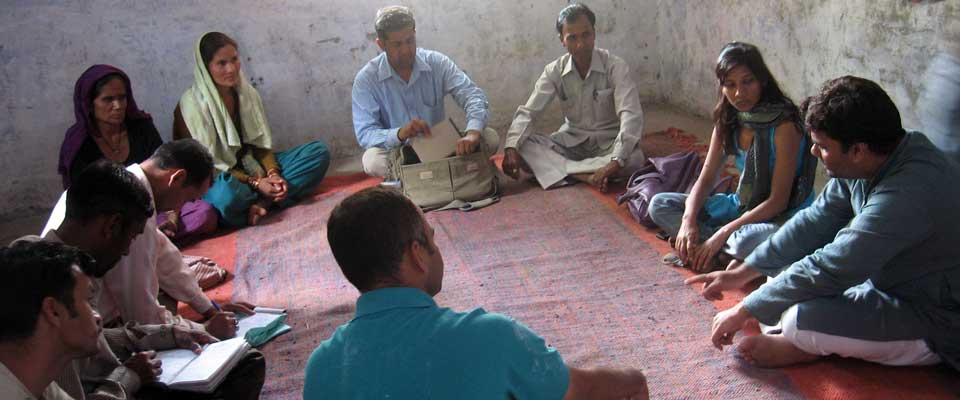
Veterinary care, vaccination, breeding advice and fair milk prices can improve animal welfare and household resilience. Without affordable services, illness or infertility may remove an important animal from the herd. Community mobilisation can help families negotiate with officials and make public programmes more accessible.
Legal recognition matters as well. India’s Forest Rights Act and related debates over forest-dwelling communities affect access, residence and livelihood security, while government livestock schemes may be difficult to reach for mobile pastoralists. Organisations such as SOPHIA connect rights advocacy with practical support, helping Van Gujjar communities speak collectively about land, forests and sustainable pastoral livelihoods.
Supporting community-led work can help protect indigenous knowledge, buffalo husbandry and dignified access to markets. Learn about SOPHIA’s projects, share its media with others, and consider contributing time, partnerships or funding to rights-based work with Himalayan pastoral families.