


Capturing Van Gujjar life through SOPHIA’s photo archive
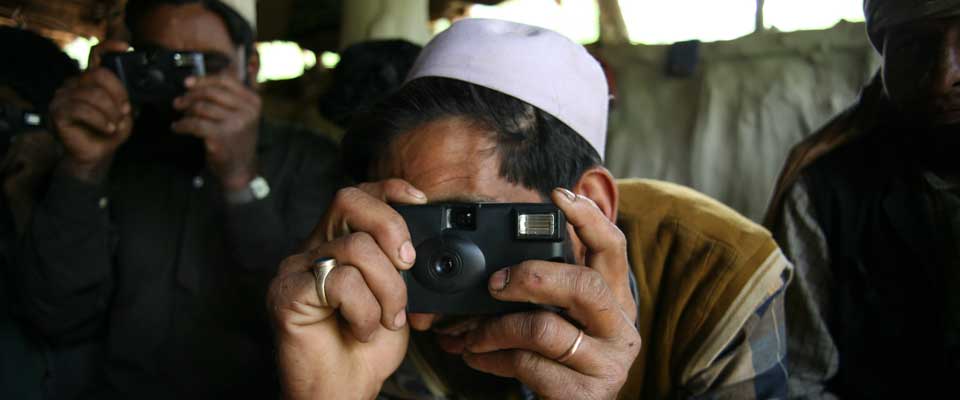
A photograph can preserve details that formal reports often miss: the rhythm of pastoral work, the design of a temporary settlement, the relationship between families and buffaloes, and the landscapes that sustain community life. SOPHIA’s photo archive offers a visual window into Van Gujjar households and Himalayan village communities across northern India.
These images help audiences see indigenous communities as active knowledge holders, workers, organizers, and rights advocates. They can show everyday dignity alongside the pressures created by restricted forest access, insecure domicile rights, changing grazing patterns, and limited market opportunities.
For SOPHIA, visual documentation supports community-centered storytelling. The archive connects photographs with wider work on forest rights, sustainable pastoral livelihoods, buffalo husbandry, social mobilization, and access to fair milk markets.
What the archive makes visible
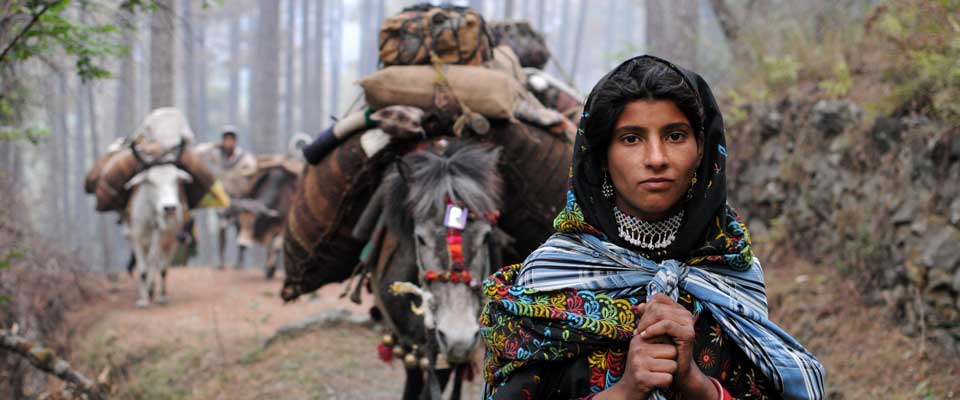
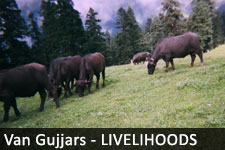
Van Gujjar life is closely connected to movement, livestock, forests, and family cooperation. Photographs may capture buffalo care, milking routines, cooking spaces, children learning at home, or journeys between forest and village areas. Together, these moments present pastoral life as skilled, organized, and deeply dependent on local ecosystems.
A strong photo collection also records relationships. A herder with a buffalo, neighbors working together, or families gathered around a shared task can reveal systems of care that statistics rarely communicate. The visual archive therefore becomes more than a gallery; it is a community record shaped by lived experience.
A visual record of pastoral knowledge
Buffalo husbandry requires practical knowledge passed between generations. Families understand animal health, fodder, breeding, seasonal conditions, and milk handling through experience. Images of these activities can make that expertise visible to supporters, policymakers, and wider audiences.
The surrounding landscape is equally important. Forest paths, grazing grounds, water sources, and village homes provide the setting for work and cultural continuity. By documenting these places, photographs can help explain why secure forest and domicile rights matter to Van Gujjar communities.
Reading movement, place, and work
Photographs of travel and settlement can help viewers understand pastoral mobility without reducing it to a simple story of displacement. Movement may be connected to grazing needs, weather, family decisions, livelihood strategies, and access to services. Each image invites careful attention to the choices and constraints shaping community life.
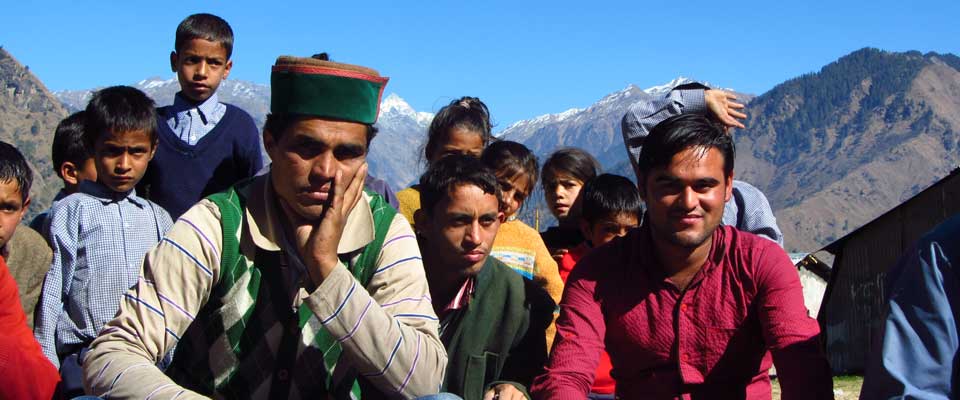
Images from Himalayan villages can also show how pastoral and settled livelihoods intersect. Milk marketing, local trade, schooling, public services, and community meetings form part of a changing rural economy. The archive can preserve these transitions while keeping the people involved at the center of the story.
| Photo focus | What viewers may learn | Wider significance |
|---|---|---|
| Buffalo care and milking | The skill and labor behind household income | Supports recognition of sustainable pastoral livelihoods |
| Forest paths and grazing areas | How mobility is linked to land and ecology | Clarifies the importance of forest rights |
| Homes and family routines | Community knowledge, care, and continuity | Counters one-dimensional portrayals of indigenous life |
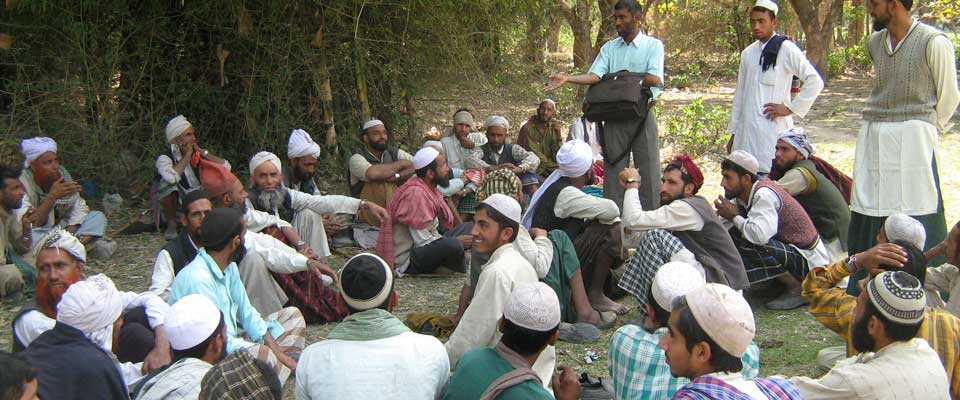
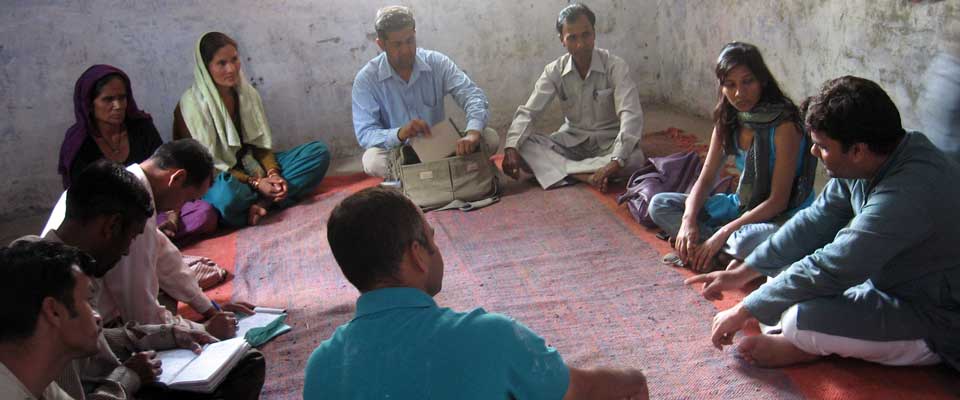
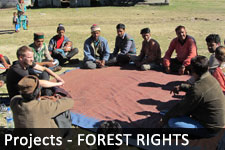
| Meetings and collective activities | Social mobilization and shared decision-making | Connects visual stories with rights-based advocacy |
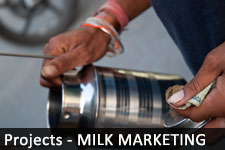
| Milk collection and local markets | The journey from livestock care to income | Highlights the need for fair market access |
From images to collective action
A photograph can become a starting point for public education and advocacy when it is presented with context. Captions, dates, locations, and community perspectives help viewers understand what they are seeing rather than treating an image as a detached scene. Ethical storytelling should protect privacy and avoid presenting hardship as spectacle.
SOPHIA’s partnerships also extend the reach of community-led work. Its account of local NGO partnerships shows why cooperation can strengthen outreach, rights awareness, and engagement with government institutions. Photo documentation can support these relationships by making shared work more visible.
Viewing the archive with care
The most meaningful way to engage with Van Gujjar photographs is to look for agency as well as difficulty. Notice who is working, teaching, organizing, caring, and making decisions. This approach respects communities as participants in their own histories rather than passive subjects of documentation.
Context also matters when sharing an image online or in an educational setting. A compelling photograph should remain connected to the community, project, or issue it represents. Responsible use avoids unverified assumptions and recognizes that some images may require consent or limited circulation.
Ways to engage with the visual record
Visitors can help the archive serve education and advocacy by approaching it with attention and respect. The following practices make engagement more useful:
- Read captions and project information before sharing an image.
- Look for links between photographs and forest, domicile, or livelihood rights.
- Credit SOPHIA and respect any stated limits on image use.
- Share community stories in ways that preserve dignity and context.
- Support organizations working alongside Van Gujjar and Himalayan village communities.
Stay connected to community stories
SOPHIA’s photo archive invites viewers to understand pastoral life through ordinary moments, working landscapes, and collective action. Each image can contribute to a fuller public record of indigenous rights, environmental knowledge, and rural livelihoods in Uttarakhand, Himachal Pradesh, and Uttar Pradesh.
Explore the archive, learn about SOPHIA’s projects, and share its community-centered stories with care. Your attention can help more people recognize the knowledge, rights, and aspirations of the communities represented.