




Buffalo calves and the bonds that make peace
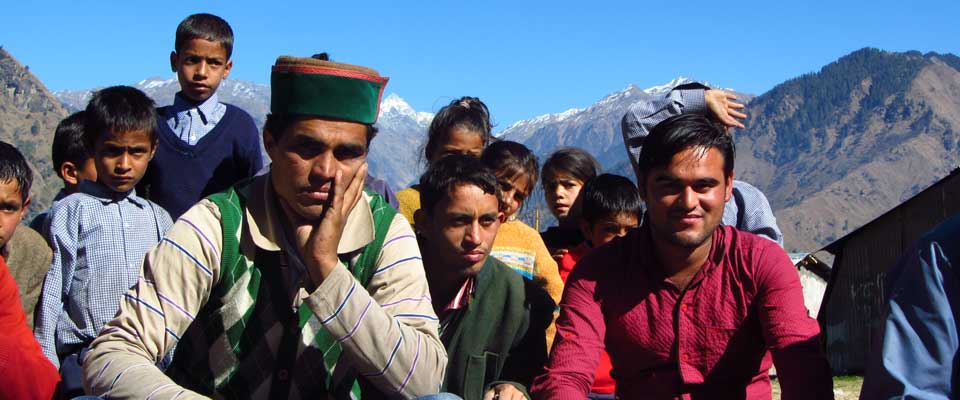
The tradition of exchanging buffalo calves as peace gifts between clans is associated with some Van Gujjar and Himalayan village communities. Such a transfer can mark the repair of relations between groups that had lived with tension, separation or unresolved grievances.
A buffalo calf is a living bond rather than a formal apology. It gives both households something to care for, creates duties around feed and protection, and places the future animal at the centre of a renewed relationship.
The custom sits within a demanding pastoral economy. Buffalo provide milk and income, while seasonal grazing depends on forest access, village land and mobility. Peace-making must respect both the calf’s cultural meaning and the rights needed to keep a herd alive.
Australian readers may first encounter buffalo through the tropical north’s commercial history. Around Darwin and Katherine, water buffalo are part of station life and wet-country markets. The comparison is useful only if the different legal, ecological and cultural settings remain distinct.
Calves as living peace offerings
Across communities where the custom is kept, a peace exchange is more than a livestock handover. It may acknowledge an apology, settle a quarrel or reopen communication between clans. Local custom shapes the terms, so no single ritual should be presented as universal.
A calf suits this purpose because it represents continuity without dividing adult breeding stock. It can grow into a productive animal, while its care gives former opponents a practical reason to cooperate. The gift links reconciliation to household dignity and the future herd.
A calf within the Himalayan buffalo economy
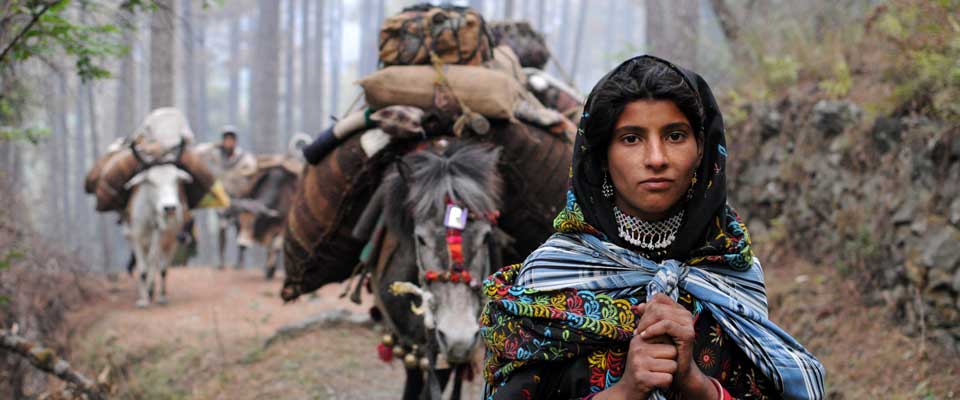
Himalayan buffalo are working animals and sources of milk. Households may use them for milk, curd, manure, traction or herd rebuilding, so a young calf carries future economic value. A gift of a calf can therefore express respect by supporting a family’s livelihood.
Milk sales also connect households, traders and sometimes women who manage collection and sale. Local roles vary, but collective marketing can provide cash and bargaining power. SOPHIA’s work on buffalo husbandry and milk marketing treats commercial systems and pastoral identity as connected.
Peace without erasing responsibility
A peace gift can open dialogue, but it cannot erase fraud, violence, land conflict or unequal treatment. Accepting a calf may mean accepting renewed social relations, not withdrawing a legitimate claim. Custom must coexist with access to justice.
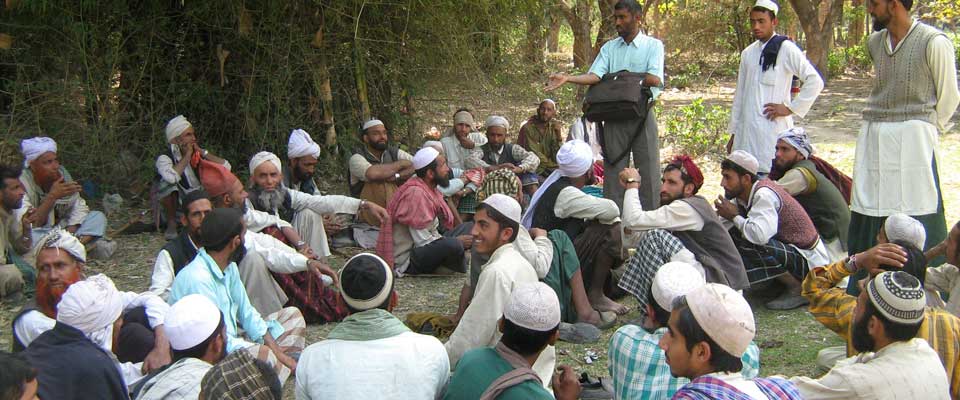
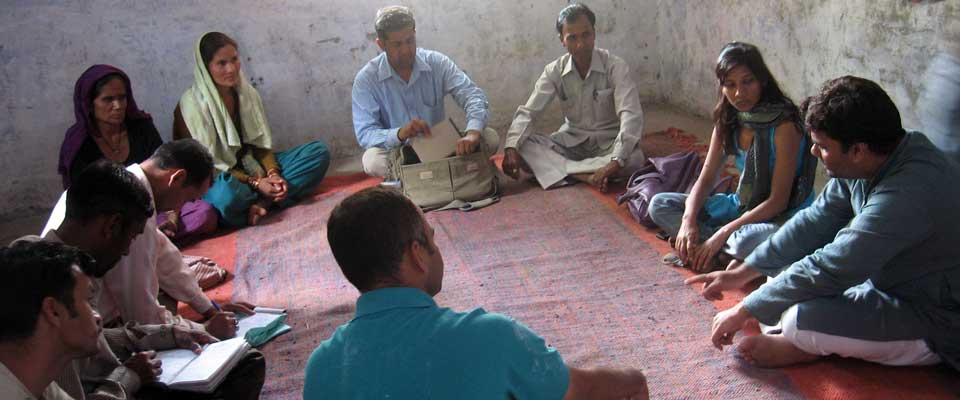
Customary peace-making works when terms are visible to both clans and concerns can be heard through trusted elders and community forums. That process gives the exchange public meaning while preserving space for grievances. Reconciliation becomes continuing responsibility rather than one dramatic moment.
Mobility, forest boundaries and rights
Forest and domicile rights are central to Van Gujjar and Himalayan village livelihoods. Administrative maps can place a family’s seasonal route on one side of a line while fodder or water lies on the other. SOPHIA’s analysis of forest boundaries and livelihoods explains how boundary politics affects pastoral economies and autonomy.
Rights-based projects, social mobilisation, advocacy and government engagement therefore belong alongside cultural traditions. Supporting a peace exchange while blocking lawful grazing would hollow out its meaning. Community-defined mobility and herd-management conditions can protect access and long-term forest health.
What community control means
When outsiders document or advocate around a peace custom, consent and authority should stay with the people who carry it. For wider context, IGO Club’s governance resources can extend that reading. Oral histories and photographs should be shared under agreements communities have helped set.
Northern Australia offers a partial parallel in meetings among Traditional Owners, native title bodies, pastoral lessees and agencies over stations, stock routes and cultural places. The settings differ from Himalayan clan protocols, but each asks who may speak, decide and control the record.
Buffalo and the northern Australian market
In the Northern Territory, “buffalo” usually means Asian water buffalo, not American bison. Herds are linked to wetlands and river country around Darwin, Katherine and the lower Gulf, with histories shaped by stations, seasonal mustering and roads carrying stock on road trains.
At saleyards, Australian farming language is common: stock, lot, pencil, mustering and wet-season weight affect price. Buyers assess age, condition and likely meat yield, while processors, hides and export channels form the wider market. Regional food markets and restaurants add direct sales.
Australian saleyards price animals within a regulated commercial chain; a Himalayan clan exchange can make a calf a social promise. Keeping the distinction clear prevents comparison from becoming appropriation and keeps support focused on community-controlled livelihoods.
Keeping the exchange alive on community terms
A living custom survives through use, not praise alone. Community members can record how a dispute is addressed, who consents, how a calf is received and what duties follow. Knowledge should remain local where possible, with names and stories withheld when publication could revive conflict.
Practical support can sustain the conditions around the exchange: animal health services, fair milk marketing, negotiated grazing access and forums where clans can meet commitments. Cultural events and education may help younger people understand peace responsibilities, but should not turn the exchange into a performance for visitors.
People in Australia can support this work through SOPHIA’s website, project stories, media archive and listed ways to get involved. Partnerships with NGOs, community philanthropy and organisations working on Indigenous rights or rural enterprise can turn attention into sustained, community-directed support.
A specific action can be enough: share one verified account, contribute to a community-led initiative, invite a SOPHIA representative to a relevant forum, or connect regional buffalo producers with fair-market opportunities. Representation, benefit and control of cultural knowledge should remain with the communities.