





The politics of forest boundaries and indigenous livelihoods
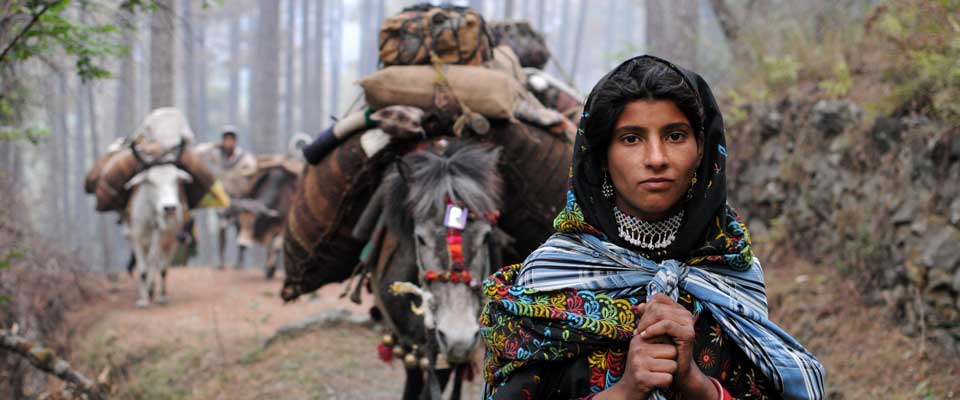
Forest boundaries are often presented as fixed lines on official maps. For Van Gujjar and other Himalayan communities, however, the forest is also a home, workplace, pasture, route, and source of cultural identity. Seasonal movement through forests has supported pastoral livelihoods for generations, long before modern administrative borders were drawn.
When these boundaries change, access to grasslands, water points, migration routes, and settlement areas can change with them. A decision made in a district office may affect buffalo herds, household income, food security, and the continuity of customary practices across several mountain valleys.
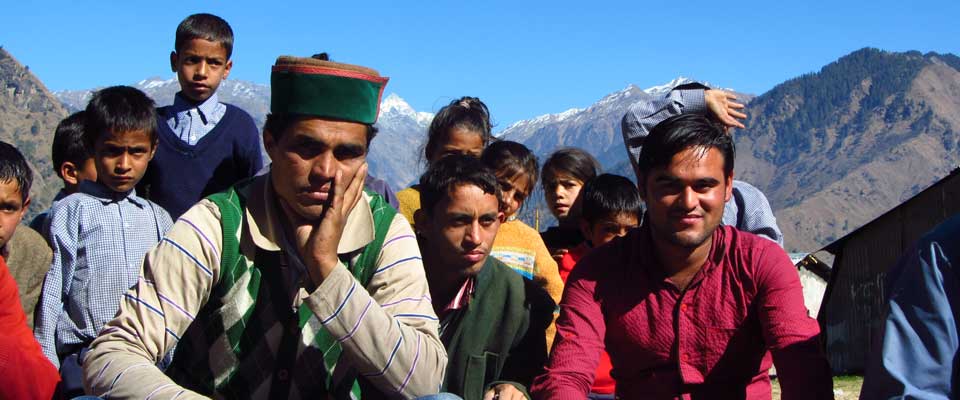
SOPHIA works with Van Gujjar and Himalayan village communities in Uttarakhand, Himachal Pradesh, and Uttar Pradesh to strengthen indigenous rights, forest rights, domicile rights, and sustainable pastoral livelihoods. Its work connects community organization with advocacy, government engagement, and practical support for livestock-based economies.
Maps, forests, and lived territory
A legal boundary may divide a forest reserve from a revenue village, or a protected area from a customary grazing landscape. Yet communities experience these places as connected. A herd may require forest forage during one season, village services during another, and established migration corridors throughout the year.
This difference between mapped territory and lived territory is central to forest politics. Administrative categories often prioritize conservation rules, land records, or infrastructure plans, while pastoral families understand land through access, seasonal use, kinship, and responsibility. Conflict grows when one form of knowledge is treated as legitimate and the other is ignored.
Customary access and indigenous rights
Indigenous rights are closely tied to evidence of long-term use. Oral histories, traditional routes, community testimony, old receipts, forest permits, and records of residence can help establish how people have depended on a landscape. Such evidence becomes especially important where families lack formal titles but have maintained a stable relationship with forests over many decades.
Forest rights processes can provide a legal route for recognizing these relationships. Effective implementation requires accessible information, transparent hearings, and community participation in decisions. Women, elders, seasonal migrants, and landless households must also be able to speak, since authority within a community is not always evenly distributed.
Pastoral livelihoods under pressure
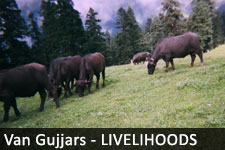
Buffalo husbandry is more than an economic activity for many Van Gujjar households. It supports milk production, household nutrition, local trade, and intergenerational knowledge. Reduced access to pasture can force families to purchase expensive feed, sell animals, alter migration patterns, or abandon pastoralism altogether.
Veterinary services are another part of the boundary question. Herds moving through remote terrain may struggle to receive vaccinations, emergency treatment, breeding support, and disease prevention. The veterinary care challenge shows why mobile and seasonal livestock services must reflect the realities of migration rather than depend only on permanent facilities.
What different boundary systems mean
The same landscape can be governed through several overlapping systems. Each one creates different rights, duties, and risks for people who depend on forest resources.
| Boundary or governance system | Main purpose | Possible effect on pastoral communities |
|---|---|---|
| Protected area boundary | Conservation of habitats and wildlife | May restrict grazing, settlement, or movement without negotiated access |
| Forest department boundary | Regulation of forest resources | Can make customary use dependent on permits and official interpretation |
| Revenue village boundary | Land administration and taxation | May determine access to services, records, and domicile recognition |
| Seasonal migration route | Movement between ecological zones | Supports pastoral production but may cross several jurisdictions |
| Community-managed area | Local stewardship and shared use | Can improve accountability when participation is representative |
These systems do not have to produce conflict. Cooperation becomes more likely when authorities recognize customary users, publish clear rules, and create mechanisms for resolving disputes. Community forest management can also support conservation by combining local ecological knowledge with formal planning.
Participation must shape decisions
Consultation is meaningful only when communities receive information in a language and format they can use, with enough time to discuss its implications. A meeting held after a boundary decision has already been made cannot replace shared planning. Participation should begin before surveys, notifications, relocation proposals, or changes to grazing access.
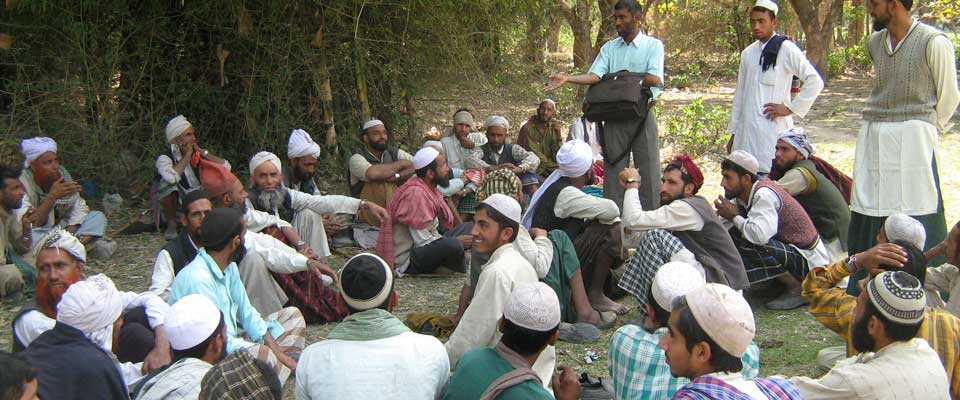
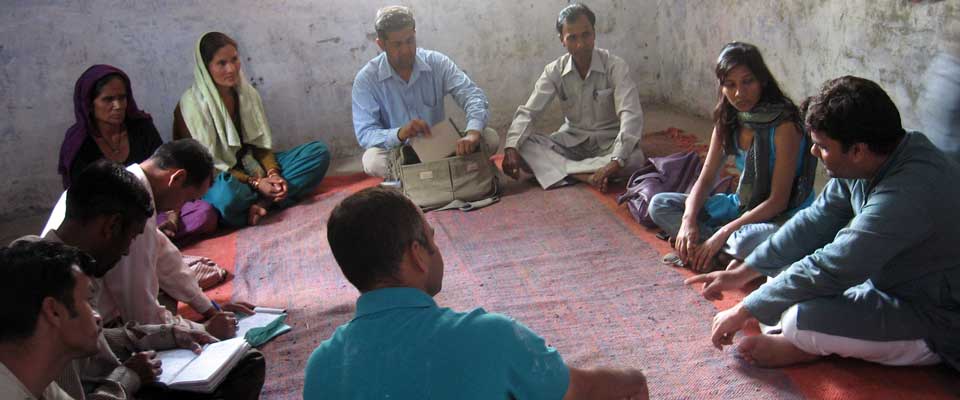
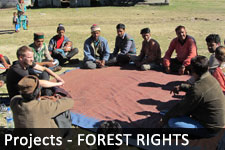
Social mobilization helps communities move from isolated complaints to collective claims. It can support gram sabha processes, documentation, dialogue with officials, and monitoring of public commitments. Partnerships among local groups, rights organizations, and NGOs can strengthen this work while keeping community priorities at the center.
Building fairer forest governance
Fair forest governance requires more than recognizing a right on paper. Families need practical access to identity documents, health care, education, veterinary support, markets, and grievance systems. Domicile rights and forest rights are connected because a household’s ability to claim services often depends on whether the state recognizes its residence and relationship to land.
Milk marketing can help pastoral households gain better value from buffalo husbandry, but markets must be linked to reliable collection, fair pricing, animal health, and seasonal mobility. Government agencies can contribute through coordinated service delivery, while civil society organizations can support rights awareness and independent community monitoring.
Priorities for rights-based action
- Record customary grazing routes, water sources, seasonal camps, and community histories.
- Include Van Gujjar representatives in forest, conservation, and land-use decisions from the earliest stage.
- Create mobile veterinary and livestock services for migrating herds.
- Improve milk collection, pricing information, storage, and transport in remote areas.
- Establish clear grievance processes when forest boundaries or access rules change.
The politics of forest boundaries is ultimately about who can define land, whose knowledge counts, and who bears the cost of conservation and development decisions. Recognizing indigenous stewardship can make forest protection more socially legitimate while protecting the livelihoods that depend on healthy landscapes.
SOPHIA’s rights-based projects, community advocacy, and partnerships offer a way to connect local experience with public institutions. Support this work by learning about the communities it serves, sharing reliable information, engaging with responsible organizations, and helping place indigenous voices at the center of forest policy.