





Lantana's toll on Himalayan herder forage
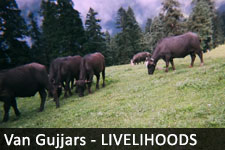
Lantana camara can turn open grazing land into dense, tangled scrub. Its glossy leaves and bright flower clusters may suggest useful vegetation, but the shrub offers herders little dependable forage. In Himalayan village landscapes, that hidden shift can weaken buffalo herds, shorten milk production and squeeze household income.
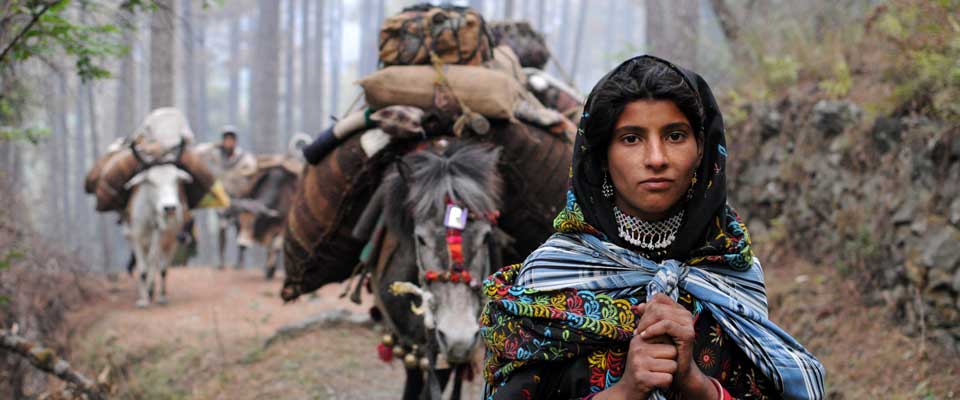
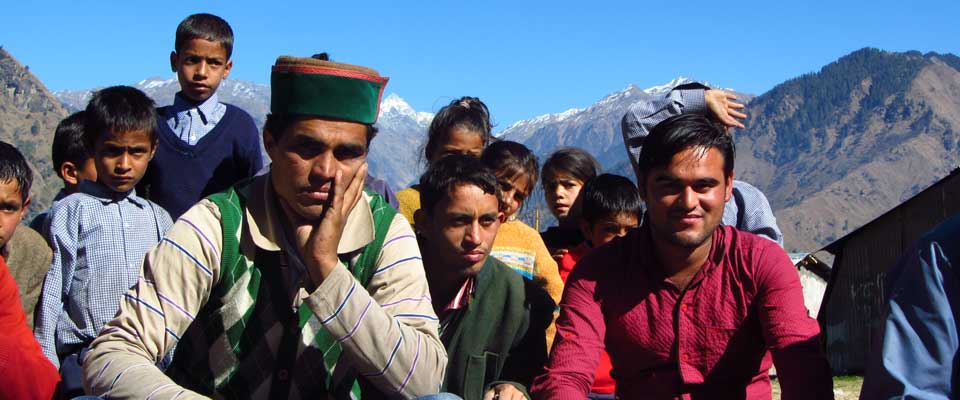
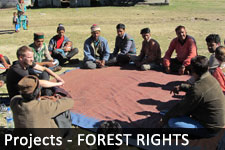
SOPHIA works with Van Gujjar and other highland communities whose livelihoods depend on forest access, commons and mobile pastoralism. The effects of lantana encroachment vary by elevation, aspect and grazing pressure, so local observation matters. Community-held knowledge can identify where the shrub is replacing edible shrubs, grasses and fodder trees.
How lantana changes the food base
Where lantana has spread along forest margins, grazing paths and formerly open patches, dense thickets intercept sunlight and occupy spaces used by palatable understorey plants. Native shrubs and grasses become harder to establish, while the thicket itself is poorly browsed and has low nutritional value.
For buffalo herders, the consequences extend beyond shorter grazing days. Animals may travel farther to reach clean fodder, compete more intensely around residual grass and crop residue, and lose body condition. Lower milk yield and reduced herd growth can translate into less regular income, especially where milk is sold through village cooperatives or roadside buyers.
Flowering and fruiting lantana also warrants caution. Its leaves and berries contain compounds associated with liver and kidney injury in livestock, so ingestion is not a safe substitute for native browse. The aim should be reduced exposure alongside habitat restoration, not simply a shift from grasses to an invasive shrub.
What changes herders notice first
Seasonal scarcity becomes visible through signs that experienced herders can interpret quickly: missing shrubs along familiar routes, muddy feeding grounds covered by dense stems, and animals clustering around a few productive grass patches. Herders may also notice that buffalo walk longer distances between resting areas and productive forage.
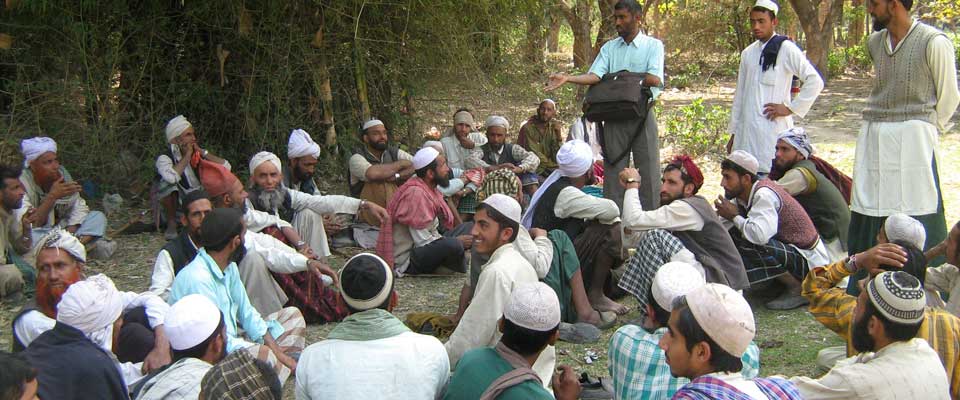
These observations can be combined with milk-production records, pasture mapping and photographs to create a seasonal picture of encroachment. Such evidence helps distinguish a temporary dry-season shortage from persistent forage loss caused by shrub takeover. It also reveals how the burden is distributed among households, including women who often manage animals and milk collection.
Lessons from Australian landscapes
Australia offers a useful comparison because lantana is a Weed of National Significance. The federal Biosecurity Act 2015 shapes biosecurity policy, while state weed laws and council directions govern much on-the-ground control. Infestations around eastern Australian peri-urban bushland can move between properties, roadsides and creek lines.
In Melbourne and Sydney, bushland edges and garden escapes often create connected infestation corridors. Weekend walkers and home gardeners may carry seeds on boots, tools or vehicles, while council weed days provide practical opportunities for removal. Brisbane’s subtropical rainfall and warm winters also favour lantana in household gardens and roadside verges.
Local commerce reinforces the response. Garden centres can stock native replacements rather than ornamental lantana, while stallholders at Brisbane and Melbourne farmers’ markets can connect pasture condition with local dairy and food systems. These Australian examples offer useful management ideas, but they do not replace Himalayan community authority over forests and grazing routes.
Field signals and management priorities
SOPHIA can combine herders’ observations with simple field tools to track where invasive growth is reducing carrying capacity and which forage resources remain accessible.
Early-warning signs include:
- Dense lantana stands beside paths used repeatedly by buffalo
- Livestock avoiding flowering or fruiting shrubs
- Increasing distances between clean grazing and watering points
- Declining milk output during seasons normally considered productive
Priority actions should be sequenced:
- Map infestation boundaries and valuable native forage patches together
- Remove plants before berries ripen and follow up repeatedly
- Protect native regeneration from grazing, fire damage and erosion
- Record labour, fodder and milk-income effects for each intervention
This sequence keeps eradication within a livelihood plan. Treating one patch while allowing untreated stands to seed the next can shift the problem rather than solve it, while excessive clearing may expose fragile soils and reduce habitat.
Restoring browse without eroding biodiversity
Targeted removal is most useful when combined with protection of native plants that can rebuild a reliable food base. Cut-stump treatment, careful uprooting and tightly managed fire can be effective in suitable locations, but each requires assessment of nearby water sources, livestock and forest regeneration.
Some wooded commons in Uttarakhand are protected as sacred groves. The relationship between sacred grove conservation and habitat protection can guide restoration in other shared forest landscapes. These sites can serve as reference areas where native species remain abundant and disturbance is limited.
Restoration should prioritise locally useful fodder shrubs, grasses and trees rather than a single fast-growing replacement. Fodder banks, community nurseries and rotational grazing can reduce pressure during seasonal shortages. Herder groups can also test which species provide safe browse, survive local conditions and generate enough biomass to justify continued care.
Connecting pasture recovery to milk markets
Restoration succeeds when herders see a practical return from the labour involved. Recovered browse can improve buffalo nutrition, milk consistency and animal survival, but benefits must reach households through reliable collection, transparent weighing and fair pricing.
For a broader comparison, this focus on place and livelihood can be paired with regional practice discussed in Alaco Colorado resources. Comparative exchanges are most useful when they help communities test local solutions rather than import a fixed management model.
A community milk enterprise can use collective records to connect pasture improvement with buyer confidence. Traceability, agreed quality standards and predictable payment schedules give herders an incentive to protect forest commons. Cooperatives can also negotiate collectively with processors while retaining enough flexibility for roadside sales during emergencies.
A community-led way forward
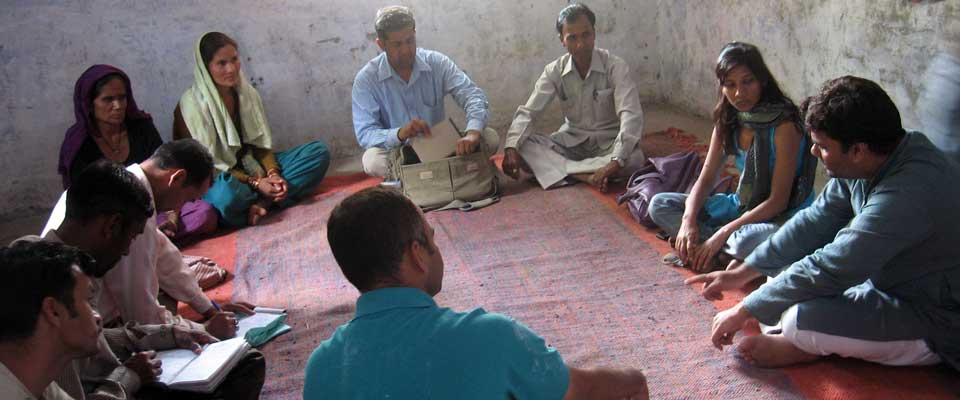
SOPHIA’s role is to support decisions made by the people who use these forests and grazing routes. That means combining participatory mapping, equitable restoration planning, advocacy with government agencies and partnerships with NGOs that can provide training or funding without displacing local authority.
Support for this community-led work can take several forms: funding forage restoration, contributing technical expertise, strengthening milk marketing or sharing responsible weed-management experience. Donate to SOPHIA, volunteer with a partner organisation or build a network that connects Australian support with action in Himalayan communities.