





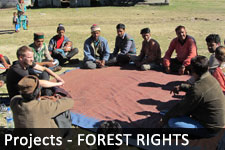

Sacred groves and biodiversity conservation in Uttarakhand
Across Uttarakhand, patches of forest protected by faith, customary rules, and community memory have long supported local ecological balance. Often known as dev van, dev ban, or sacred forests, these places may surround a village shrine, spring, temple, or deity’s resting place. Their value extends well beyond religion: they preserve native plants, shelter wildlife, protect water sources, and maintain seed diversity.
Sacred groves show how cultural practices can strengthen environmental stewardship. In many Himalayan communities, restrictions on cutting trees, hunting animals, collecting firewood, or grazing livestock help conserve habitats that might otherwise face pressure from expanding settlements, roads, tourism, and changing land use.
Cultural traditions that protect forest patches
Sacred groves are governed through beliefs and social responsibilities rather than formal conservation status alone. A village deity may be regarded as the guardian of a forest, while elders, temple committees, or community assemblies oversee customary rules. Fear of spiritual consequences can discourage damaging activities, but respect, belonging, and collective accountability are equally important.
These traditions vary across districts and communities. Some groves are small clusters of old trees; others form wider forest landscapes connected to springs, grazing areas, and agricultural land. Their protection may include seasonal restrictions, limited removal of fallen wood, or permission-based collection of leaves and non-timber forest products.
Refuges for native plants and wildlife
A protected woodland can preserve mature trees that are rare in surrounding areas. In Uttarakhand, oak, rhododendron, deodar, chir pine, and other Himalayan species contribute to complex habitats at different elevations. Old trees provide nesting sites, shade, cavities, and food for birds, insects, and small mammals.
The surrounding vegetation also supports pollinators and seed dispersers. Birds and animals moving between sacred groves, farmland, and larger forests help maintain ecological connectivity. Even a small grove can function as a refuge for species affected by forest fires, invasive plants, timber extraction, or habitat fragmentation.
Water security and climate resilience
Many sacred sites are located near springs, streams, or headwater areas. Tree roots stabilize soil, leaf litter improves water infiltration, and forest cover reduces erosion during intense monsoon rainfall. These functions can help sustain drinking water and irrigation sources for nearby settlements.
Healthy groves also moderate local temperatures and retain moisture during dry periods. Oak-dominated forests are especially important for catchment protection because their leaf litter and root systems support groundwater recharge. As climate variability increases, these living landscapes can offer practical resilience alongside their spiritual significance.
| Ecological contribution | Community practice | Wider benefit |
|---|---|---|
| Protects old and native trees | Restrictions on cutting | Maintains habitat and genetic diversity |
| Safeguards springs and stream banks | Respect for sacred water sites | Supports drinking water and irrigation |
| Provides shelter for birds, insects, and mammals | Limits on hunting and disturbance | Strengthens food webs |
| Reduces soil erosion | Collective forest protection | Supports farmland and slope stability |
| Preserves traditional ecological knowledge | Oral teaching and customary rules | Connects younger generations with conservation |
Knowledge held by local communities
Sacred groves are also living archives of environmental knowledge. Community members often understand which plants are medicinal, when wild foods should be collected, how forests respond to rainfall, and which areas are vulnerable to fire or landslides. This knowledge is transmitted through seasonal work, rituals, pastoral movement, and everyday use of the landscape.
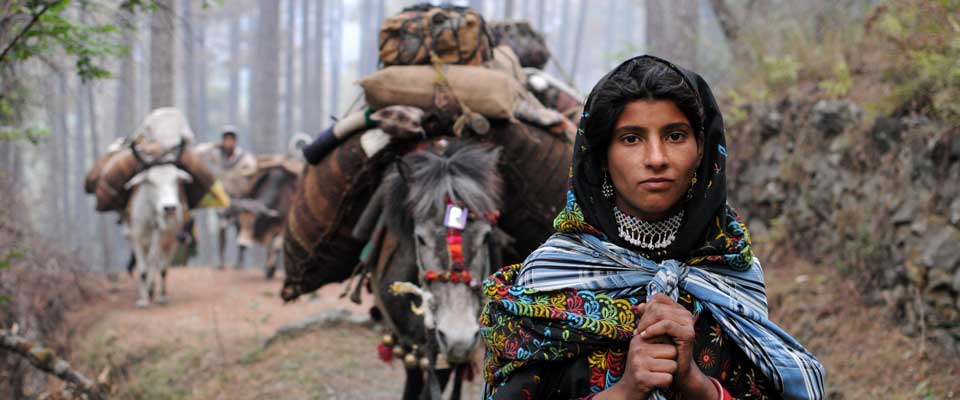
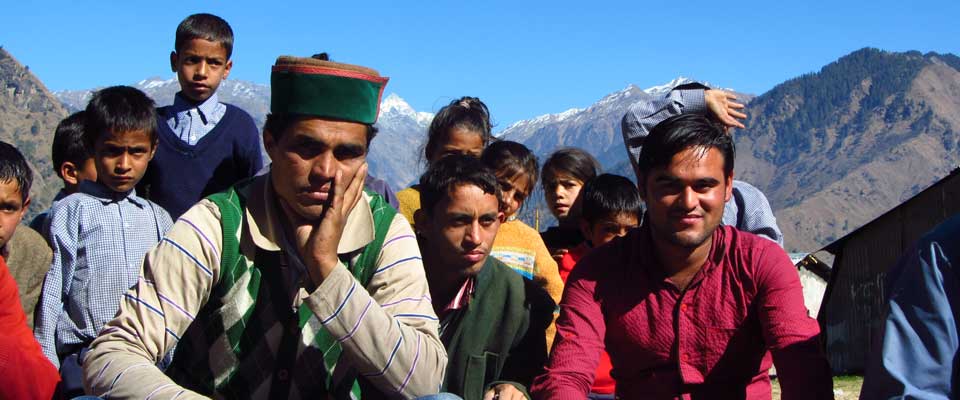
Van Gujjar and Himalayan village communities contribute different forms of experience shaped by mobility, livestock care, forest access, and local resource management. Their knowledge should not be treated as a single category or used without consent. Effective conservation recognizes community rights, respects customary institutions, and ensures that local people help define priorities.
Pressures facing sacred groves
Cultural protection can weaken when younger residents migrate, traditional institutions lose authority, or land-use decisions are made without community participation. Roads, hydropower projects, tourism infrastructure, commercial plantations, and unplanned construction may fragment sacred landscapes. Forest fires, invasive species, waste, and water scarcity add further pressure.
Legal recognition alone cannot guarantee protection. A grove may be formally recorded yet remain vulnerable if residents are excluded from management or if conservation rules restrict customary livelihoods. Participatory mapping, community-led monitoring, and clear recognition of forest and domicile rights can connect biodiversity conservation with social justice.
Supporting community-led conservation
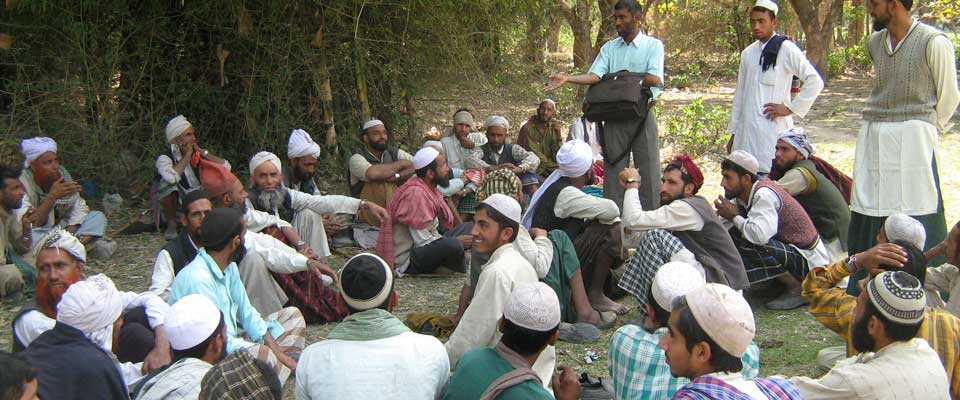
Safeguarding sacred groves requires cooperation among village institutions, forest departments, researchers, civil society organizations, and local schools. Documentation should record ecological features as well as oral histories, ritual practices, access rules, and the concerns of women, pastoralists, and other groups whose contributions are often overlooked.
Useful support can include:
- Mapping sacred forests, springs, wildlife corridors, and culturally important trees with community consent.
- Creating local fire-prevention and habitat-restoration plans based on indigenous knowledge.
- Supporting native plant nurseries and the regeneration of oak, rhododendron, and other locally appropriate species.
- Including women, youth, pastoral communities, and marginalized households in forest governance.
- Linking conservation education with rights awareness, sustainable livelihoods, and responsible eco-cultural tourism.
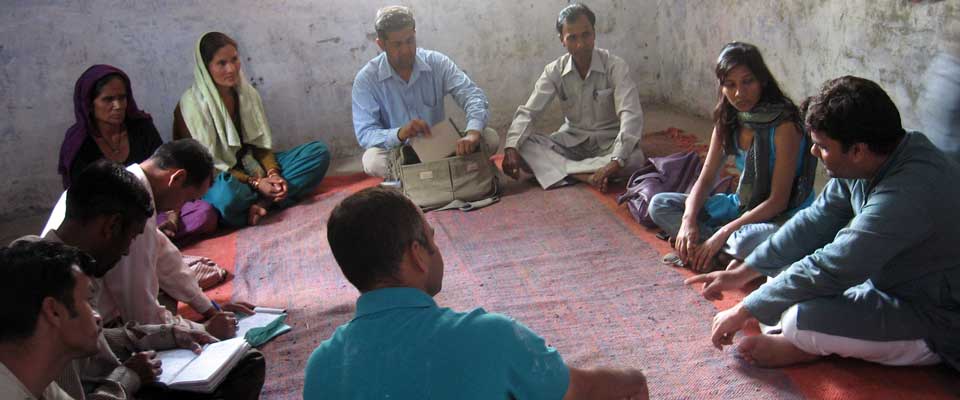
Community organizations such as SOPHIA can help create dialogue between residents and public institutions. Through social mobilization, advocacy, and partnerships, they can support approaches that protect biodiversity while respecting indigenous rights and sustainable pastoral livelihoods.
Sacred groves remind us that conservation is strongest when people see forests as part of their living heritage rather than as distant protected areas. Supporting the communities that care for these places can protect wildlife, water, culture, and future livelihoods across Uttarakhand. Learn more about SOPHIA’s work and join efforts that place community knowledge and environmental stewardship at the heart of Himalayan conservation.