




Weaving buffalo hair into durable household ropes
The Art of Weaving Buffalo Hair into Durable Ropes for Household Use is rooted in pastoral life. Buffalo hair gathered during shedding or grooming can be cleaned, softened and spun into cordage for everyday needs. Its importance lies in useful production, careful preparation and knowledge passed among community makers.
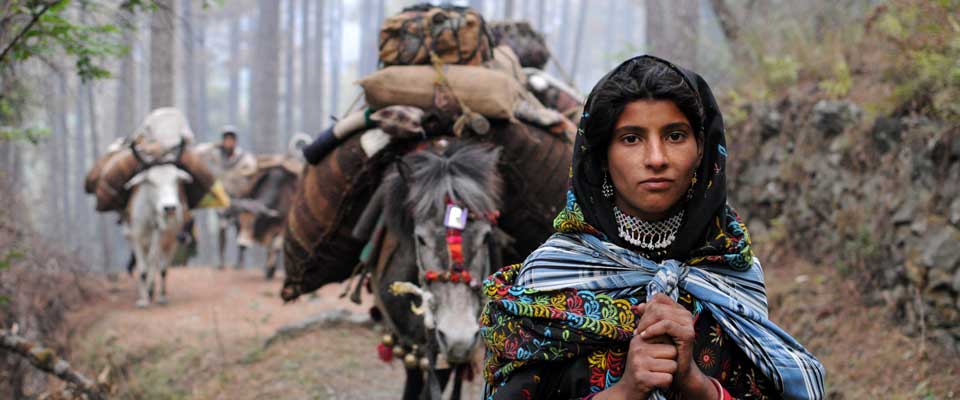
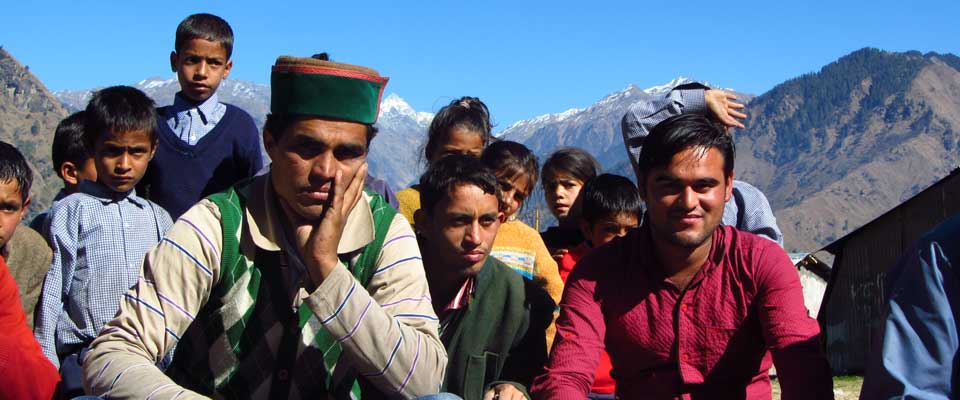
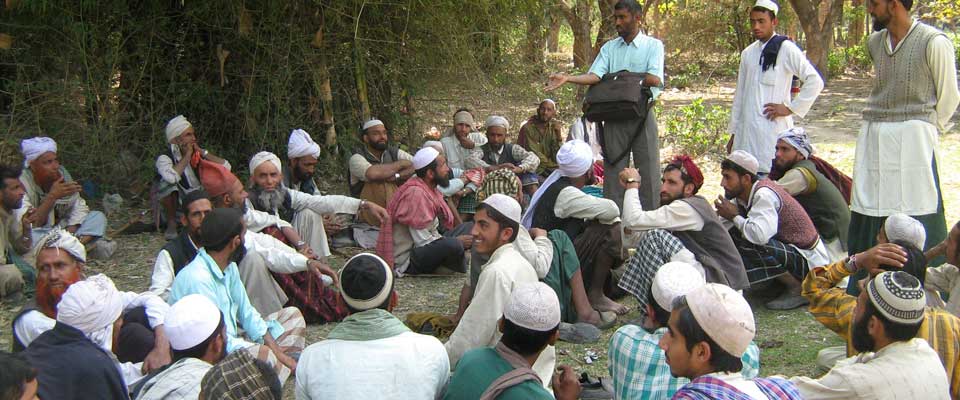
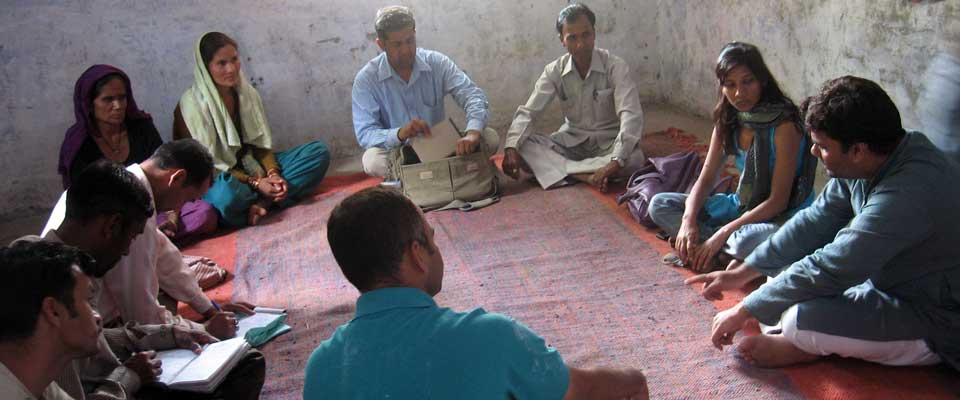
SOPHIA, a registered Indian non-governmental organisation, works with Van Gujjar and Himalayan village communities in Uttarakhand, Himachal Pradesh and Uttar Pradesh. Its rights-based programmes support community empowerment, indigenous rights, forest and domicile rights, sustainable pastoral livelihoods, buffalo husbandry and milk marketing. Social mobilisation, advocacy, government engagement and NGO partnerships connect these efforts to community authority and economic resilience.
For Australian readers, this is a story of local fibre, repair and maker attribution, not a novelty imported without context. Households already know twine, mending and farm-made cordage; the deeper lesson is how fibre skills connect animal welfare, mobility and fair trade.
Buffalo hair and the pastoral landscape
As animals groom or shed, buffalo hair is gathered rather than cultivated as a crop, and its quality depends on cleanliness, coat condition and sorting. Short fibres may be discarded, while sound lengths are teased apart, aligned and spun. Methods vary, so a generic tutorial should not be presented as the method of a particular Van Gujjar or Himalayan tradition.
That supply is tied to herd movement. SOPHIA’s account of road-widening impacts on buffalo migration corridors shows how roads can alter access to grazing, water and markets. Narrowed routes make herding harder and reduce buffalo-related income; a fibre enterprise must respect mobility plans as well as buying practices.
Preparing, spinning and weaving the fibre
Preparation starts with drying and removing debris, then sorting by length and texture. Makers draw out small supplies so fibres do not tangle, adding twist with a spindle or by rolling a strand. Consistent drafting matters more than speed: uneven sections snag, thin quickly and make rope harder to use.
Spun yarn strands can be plied in opposite directions to balance the rope and reduce untwisting. Paired strands may be twined or braided for heavier cordage, while finer versions can be woven closely. The structure should reflect the available hair and purpose, with samples tested for tensile strength, abrasion and comfort.
Care must suit Australian conditions. Intense UV, coastal salt, summer heat and repeated rain can shorten organic cordage’s life. Dry wet rope in shade, keep it away from heaters and inspect it after heavy use. Buffalo-hair rope should not be sold as a certified substitute for safety line, lifting rope or load-bearing restraint.
Household uses and market context
Within a household, durable cord can secure light bundles, join woven containers, repair a woven cot frame, extend a clothes line or tether livestock when heavier rope is unnecessary. The uses reflect economy, with one animal-derived material serving several needs. Makers should state the intended load so buyers do not place a decorative sample under a critical load.
The Australian market offers a useful comparison. Rural hardware stores and nurseries commonly stock sisal, jute, hemp, wool twine and synthetic nylon for fencing, gardening and packing. Buffalo hair would occupy a distinctive artisanal niche, valued for provenance and hand construction. Melbourne’s Rose Street Farmers’ Market and Sydney’s Paddy’s Markets could provide settings for properly attributed community goods, although market space alone cannot create fair trade.
Ethical selling in Australia requires precise labels: name the producing community and organisation, distinguish buffalo hair from wool or plant fibre, and make supportable claims. Australian Consumer Law expectations on truthful labelling and country-of-origin statements apply. Before fibre crosses an international border, check federal and state biosecurity rules, then disclose treatment, import cost or duty honestly.
Learning without extracting knowledge
Teaching must respect who holds the skill. Although its subject is sewing rather than fibre, IDF Bangalore’s guide to training adapted for beginners demonstrates a practical principle: unfamiliar tasks become manageable through visible steps, supervised practice and patient troubleshooting. A rope session can use the same approach, letting participants handle cleaned fibre, form a sample strand, diagnose uneven twist and finish a useful length.
Australian workshops, educators and festival organisers can create room for exchange without turning living heritage into performance. Pay the maker, agree attribution before publication and use photographs only with consent. Any adaptation for Australian gardens or retail packaging should explain the change while keeping the source community visible.
Commercial support should follow the same principle. SOPHIA’s experience with milk marketing, government engagement and cooperative partnerships shows why accountable distribution matters. A label recording maker, source and place can preserve that connection; bulk buyers who erase origin can turn skilled work into anonymous raw material.
A practical path for supporters
Australian supporters can protect both the rope and the people behind it. Meaningful engagement is possible across purchasing, safe use, skills exchange and public policy.
- Prefer sellers connected to SOPHIA or an identified community partner, and retain the maker’s name, village and region on the listing.
- Ask how the hair was sourced, how the rope was built, what loads suit it and how it should be stored.
- Treat it as artisanal household cordage; test a sample and never use it for lifting, child safety, critical restraints or electrical work.
- Before importing animal fibre, check biosecurity, labelling, customs and quarantine rules, and disclose treatment or duty to buyers.
- Fund paid demonstrations, enterprise support and advocacy protecting migration corridors and community control over forest and domicile rights.
Begin with SOPHIA’s project pages and media archive, then contact the team about current craft, pastoral-livelihood and partnership opportunities. Australian makers, educators and market organisers can turn informed buying into direct backing for community-owned production and skills connected to the people, animals and landscapes behind them.