



The Impact of Road Widening on Buffalo Migration Corridors
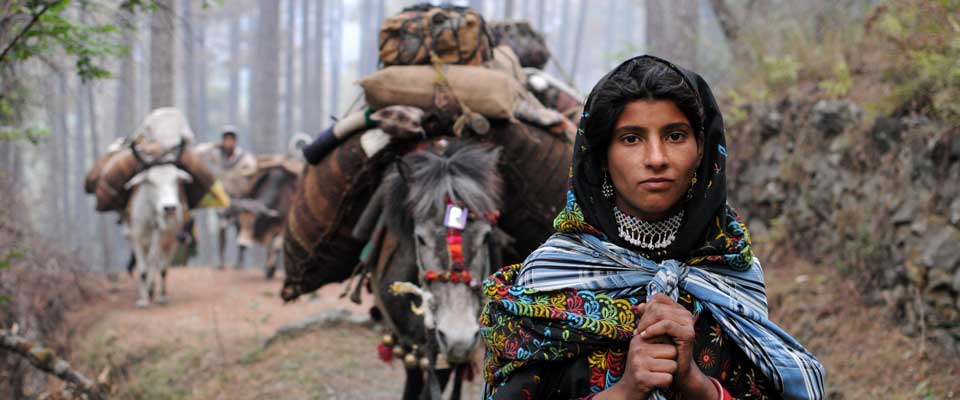
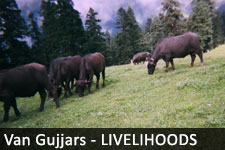
For Van Gujjar and other pastoral communities in the Himalayan foothills, seasonal buffalo movement is tied to water, grazing, weather, and customary access routes. These routes may appear informal on a map, yet they form a carefully maintained network connecting forest camps, village pastures, rivers, and winter settlements.
Road expansion can bring valuable connections to remote communities, including access to schools, health services, markets, and emergency transport. However, when widening projects cut across livestock routes without local consultation, they can disrupt buffalo migration corridors and increase the cost and danger of pastoral life.
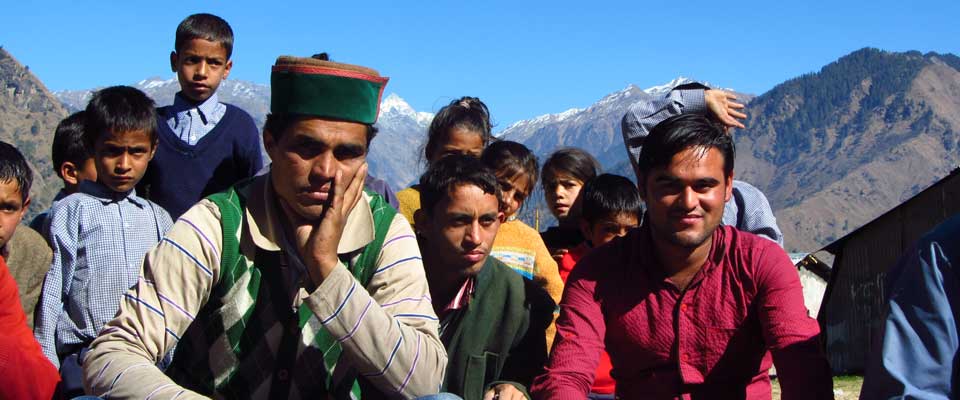
Organizations such as SOPHIA’s community work help place indigenous rights, forest access, and sustainable livelihoods at the center of discussions about development in Uttarakhand, Himachal Pradesh, and Uttar Pradesh.
Why seasonal routes matter
Buffalo herding depends on predictable movement between grazing areas and settlements. Families often travel along riverbanks, forest edges, village paths, and traditional crossings. The route, timing, and resting points are shaped by generations of ecological knowledge, including where fodder grows, where water remains available, and where animals can safely stop.
A corridor is more than a strip of land. It includes access to shade, drinking water, temporary grazing, and safe passage through populated areas. If one part is blocked, the entire journey may become longer or less viable. Herds can be forced onto steep slopes, busy roads, or degraded land with insufficient forage.
How widening changes the landscape
Road construction removes vegetation, cuts slopes, and creates embankments that buffalo may struggle to cross. Drainage channels, retaining walls, culverts, and construction debris can turn a familiar path into a physical barrier. During monsoon periods, altered runoff may also cause erosion and flooding along established livestock tracks.
Traffic brings additional risks. Heavy vehicles, dust, noise, and night-time movement can frighten animals and increase collisions. Narrow diversions may separate calves from the herd or make it difficult for herders to control buffalo near settlements. Repeated delays can affect grazing schedules, milk production, and access to local markets.
Who bears the cost
Pastoral households often absorb the hidden costs of transport projects. A longer route requires more fodder, labor, and time. Animals may lose condition when they cannot reach seasonal pasture, while reduced milk yield can weaken household income. Families may also face pressure to sell buffalo or abandon migration altogether.
The burden is especially serious where communities have limited formal recognition of customary forest and domicile rights. Without accurate mapping and documented participation, project assessments may describe corridors as unused land. This can exclude the people who depend on them from decisions about alignment, compensation, and mitigation.
| Road-related change | Likely effect on buffalo movement | Community-centered response |
|---|---|---|
| Cut slopes and barriers | Blocks traditional paths and increases detours | Design livestock underpasses, ramps, and safe crossings |
| Increased traffic | Raises collision and animal-stress risks | Add warning signs, speed controls, and crossing schedules |
| Loss of roadside vegetation | Reduces fodder and shade | Restore native vegetation and protect grazing pockets |
| Altered drainage | Creates erosion, flooding, or muddy passages | Build suitable culverts and maintain natural water flow |
| Construction camps | Disturbs routes and may restrict access | Mark temporary corridors and consult herders before work |
Planning corridors before construction
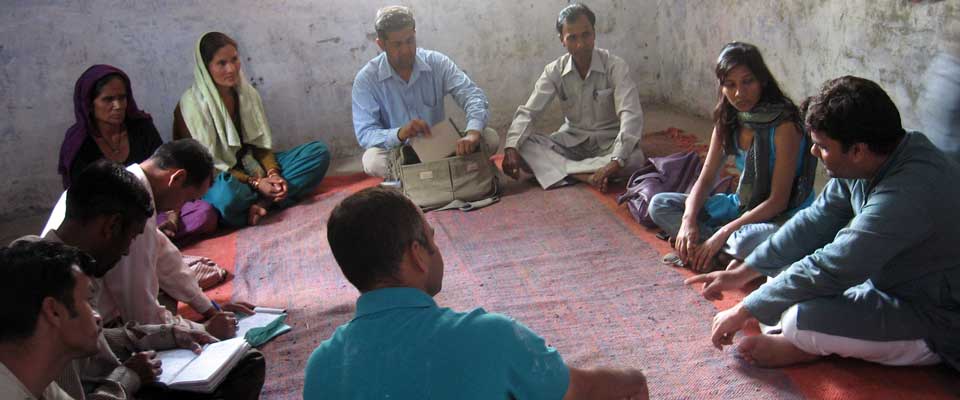
Road agencies should map buffalo migration paths before finalizing an alignment. Participatory mapping with herders can identify seasonal variations that satellite images and short field visits may miss. The process should record water points, resting grounds, forest entrances, village crossings, and routes used during extreme weather.
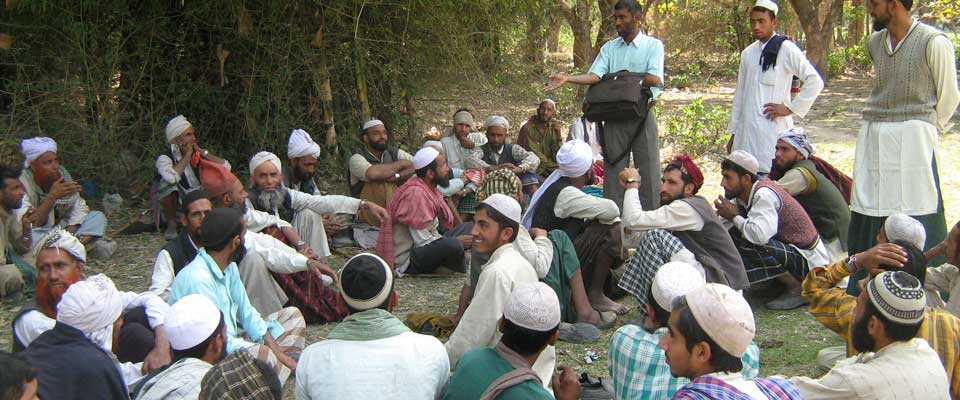
Environmental and social impact assessments should examine livestock mobility as a livelihood concern. Consultation must happen early, in local languages and accessible settings, with women, elders, herders, and other affected residents included. A public meeting after construction begins cannot replace meaningful involvement during planning.
Practical safeguards for safer movement
Well-designed mitigation can reduce disruption when it is based on actual herd behavior. Livestock underpasses need adequate width, lighting, drainage, and gentle approaches. In some locations, a level crossing with traffic calming may be safer than a narrow tunnel. Temporary diversions should remain usable throughout construction, rather than ending at a ditch or fenced worksite.
Useful measures include:
- Map seasonal livestock routes with herder participation before land acquisition.
- Keep water points, resting areas, and grazing access open during construction.
- Install safe crossings, ramps, culverts, and barriers that guide animals without trapping them.
- Schedule noisy work outside peak migration periods whenever possible.
- Monitor accidents, route blockages, milk production, and household losses after completion.
These safeguards require maintenance as well as initial investment. A damaged culvert or blocked underpass can restore the same barrier that the project was designed to prevent. Community monitoring groups can report failures quickly and help authorities respond before a minor obstruction becomes a permanent route loss.
Protecting mobility and livelihoods
Road connectivity and pastoral mobility do not have to be opposing goals. Better roads can improve milk collection, emergency care, and access to markets when infrastructure respects the movement patterns of buffalo and the rights of the communities that manage them. The key is to treat migration corridors as essential livelihood infrastructure.
Government departments, contractors, local bodies, and civil society organizations can work together to create corridor registers, include pastoral representatives in review committees, and link road approvals to measurable protection plans. Compensation should address lost grazing, extra labor, animal injury, and reduced income—not only damaged houses or trees.
Protecting these routes begins with listening to the people who use them every season. Support community documentation, share local evidence with planning authorities, and advocate for road designs that keep buffalo, herders, and Himalayan landscapes moving safely.