




How Van Gujjar Communities Adapt to Shorter Winter Stays
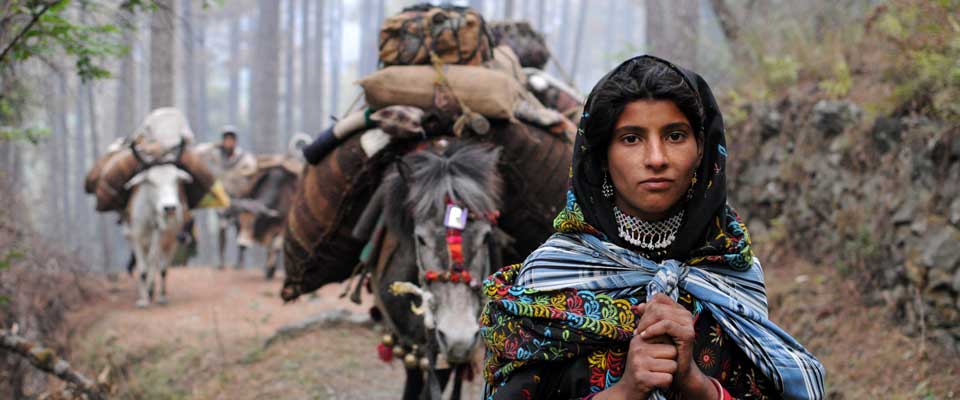
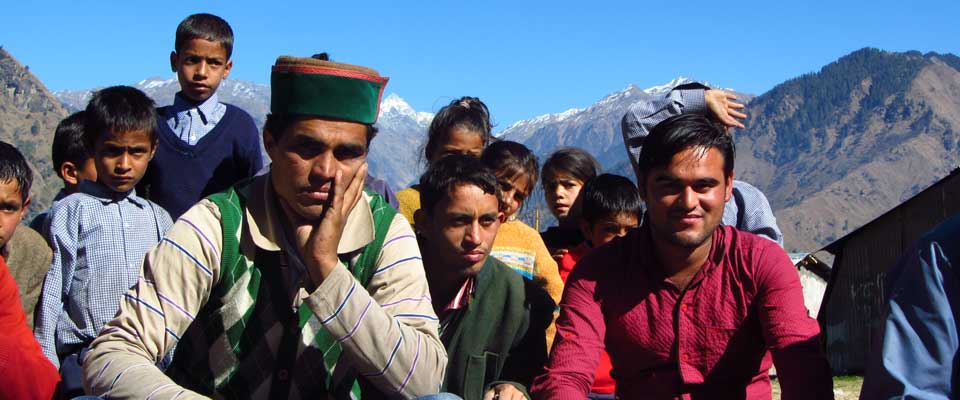
Across the Himalayan foothills of Uttarakhand, Himachal Pradesh and adjoining Uttar Pradesh, Van Gujjar households have long organised life around seasonal movement. Buffalo herds travel between lower winter settlements and high summer grazing grounds, linking pasture access, household income and social ties. Shorter winter stays are now reshaping routes, timing and herd plans without ending the community’s pastoral way of life.
SOPHIA, an Indian registered non-governmental organisation, supports this transition through legal advocacy, government engagement, social mobilisation and practical work with herders. Its focus on indigenous rights, forest and domicile rights, sustainable pastoral livelihoods and milk marketing keeps communities central to decisions about movement, animal care and income.
A Seasonal Livelihood in Motion
Seasonal migration is a household-wide economic system, not simply a journey with animals. Families coordinate fodder, housing, schooling and health care around camp locations. Milk provides cash and food, manure supplies fuel and soil fertility, and buffalo remain valuable assets for future seasons.
When stays contract, those activities are compressed into fewer weeks. Some households divide their time between upland camps and village homes, while others arrange animal care before moving earlier. Women often hold important authority over milk handling, animal welfare and household spending, making them central to adaptation.
Why Winter Journeys Are Being Reshaped
Warmer temperatures, erratic rain and less predictable snow alter pasture growth, road access and the timing of high-country grazing. A route that once supplied reliable fodder may now require a shorter stay, an earlier descent or a move to another valley.
Forest access and local administration also shape journeys. Grazing rules, protected areas, camp permissions and documentation can affect where families linger, while services and paid work in plains towns can make an earlier return attractive. Household responses vary, but many combine less time in exposed camps with stronger village-based livelihoods.
Caring for Buffalo Across Changing Routes
Buffalo husbandry becomes more strategic when routes and seasons shift. Herds may need better fodder planning, selective breeding, vaccination and veterinary care. Keeping fewer productive animals, maintaining young stock carefully and sharing labour can protect both income and animal welfare during difficult journeys.
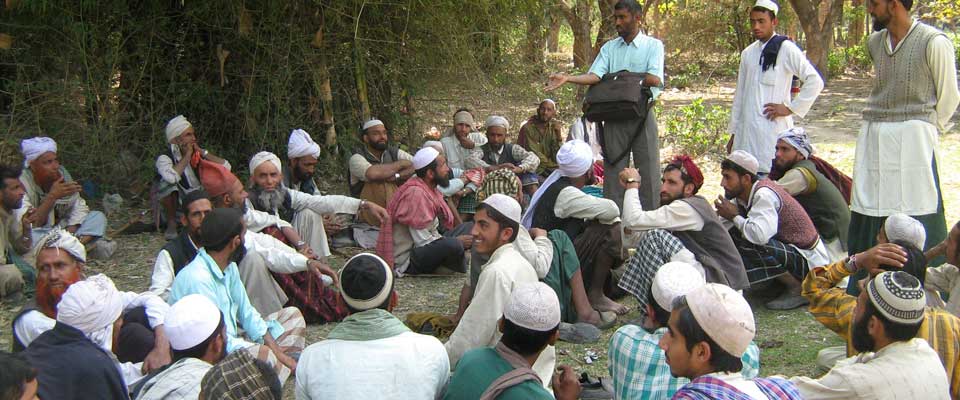
Community agreements are equally important. Rules for herd movement, shared labour, sick-animal care and conflict resolution reduce pressure on limited pasture. SOPHIA’s support for buffalo health and sustainable pastoral livelihoods helps families adapt while retaining herd-based security and the cultural importance of buffalo.
Customary Tenure and Forest Rights
Access to land is inseparable from that security. SOPHIA’s account of dhar and customary tenure explains how collective use, obligations and local governance shape Van Gujjar relations with forests and grazing areas. This system offers practical guidance about shared access and stewardship when statutory rules do not capture every seasonal need.
Rights-based documentation and advocacy help families participate in decisions over forest use, domicile and relocation. Where applicable, Indian law, including the Forest Rights Act, provides routes for recognising community rights through evidence and government processes. SOPHIA works with communities and officials to turn those rights into protection against exclusion or sudden displacement.
Turning Milk Into a Reliable Income
Milk is often the most immediate cash flow, but it is highly perishable. Shorter, dispersed supply routes can leave producers with low prices or unsold milk. Collection points, insulated chilling, clean vessels, basic testing and transparent weighing can turn an unreliable flow into dependable income.
Producer groups can explore paneer, khoya, ghee and other dairy products where demand, food safety and investment permit. SOPHIA’s milk marketing work connects these ideas with training, buyer relationships and fair payment, while community control over collection and price information remains vital.
For Australian readers, the expression “milk run” sounds familiar. Northern Victoria and the Murray–Darling Basin have buffalo and dairy sectors, processor routes and specialist cheese markets. Farmers there often sell through processors or cooperatives, with payment linked to quality measures such as butterfat and protein. These systems offer lessons for stronger collection networks without prescribing a direct copy.
Lessons for Australian Supporters
Australian support can combine funding, technical exchange and public advocacy. Flexible multi-year grants can cover veterinary supplies, milk chilling, legal assistance and travel required for community planning. Partnerships with Australian dairy professionals can improve cold-chain design, animal health and product development while keeping decisions with Van Gujjar organisations.
Supporters can also learn from Aboriginal and Torres Strait Islander approaches to community authority, evidence and consent in land and resource governance. The legal settings differ from India, but respect for self-determination is shared ground. Support is strongest when grants and reporting fit pastoral communities rather than forcing them into short funding cycles.
Back Community-Led Adaptation
Successful adaptation preserves the right to move while improving the conditions of movement. It requires recognising forest and domicile rights, protecting grazing access, supporting animal welfare and ensuring families can sell milk at a fair price. A traditional migration calendar may change without representing a loss of identity.
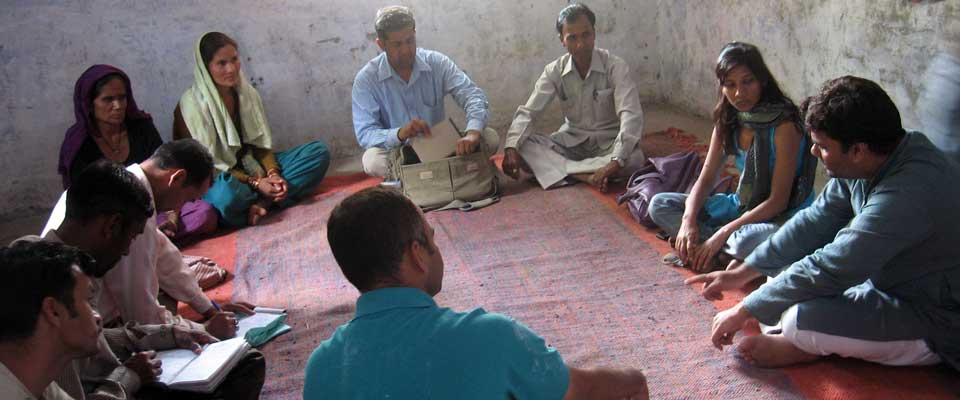
SOPHIA can advance this agenda through community mobilisation, documentation, government engagement and partnerships with other NGOs. Supporters can help by funding flexible community-led work, contributing relevant expertise, sharing verified information and strengthening networks for pastoral and indigenous rights.
Back this work by visiting SOPHIA’s project and involvement pages, contributing to a community-led programme and inviting partners to support forest rights, buffalo husbandry and milk marketing in the Himalayan foothills.