



Dhar and the Living Land Rights of Van Gujjar Communities
For Van Gujjar families, land is more than a fixed plot marked by boundaries. It is a living landscape of forests, grasslands, water sources, seasonal routes, and places where buffalo herds can graze. The customary understanding known as Dhar reflects this relationship between community, livelihood, and territory.
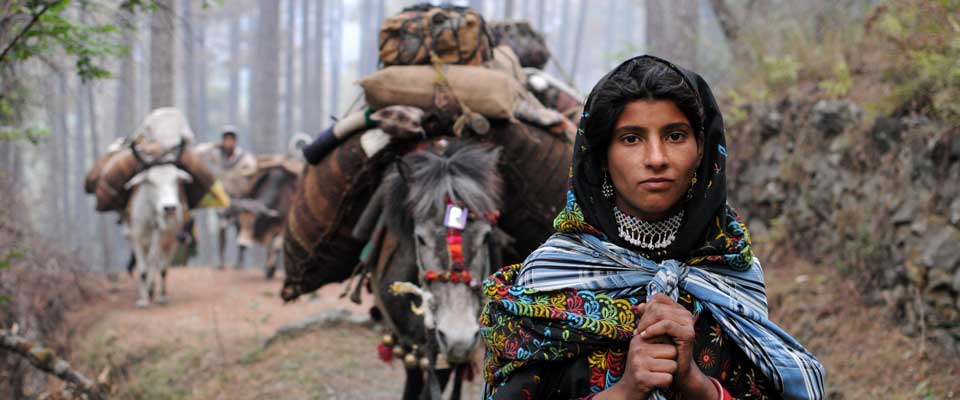
Van Gujjars are traditionally pastoral communities who move with their buffalo herds between the foothills and higher Himalayan areas. Their seasonal migration is shaped by weather, pasture availability, forest conditions, and long-established routes. Understanding Dhar helps explain why mobility and access to common resources are central to their cultural identity and economic security.
A Customary Relationship With Land
Dhar can be understood as a customary land-tenure system based on long-standing use, belonging, and community recognition. It does not always resemble individual ownership recorded in revenue documents. Instead, it connects families and households with particular forests, grazing areas, water points, and settlement locations used across generations.
This relationship is maintained through memory, oral histories, customary practice, and local social institutions. A family may have recognized access to a particular area while also sharing wider resources with other pastoral households. The meaning of tenure therefore includes responsibilities and relationships, not simply possession.
Seasonal Migration And Pastoral Life
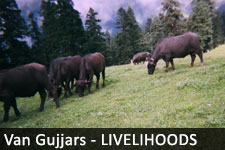
Van Gujjar pastoralism depends on movement between seasonal landscapes. During warmer months, families may travel toward higher elevations where fresh grazing is available. In colder periods, they return toward the Shivalik foothills and forest margins. These movements support buffalo husbandry and help households maintain their milk-based livelihoods.
Dhar gives social meaning to these routes and destinations. A grazing meadow, stream, or forest passage may be familiar through generations of use, even when it has never been formally mapped. When access is restricted, the effects can include longer migration routes, reduced fodder, weakened livestock health, and loss of income from milk marketing.
Customary Tenure And Forest Rights
The Forest Rights Act, 2006 recognizes certain individual and community forest rights of forest-dwelling communities, including rights connected with habitation, grazing, seasonal access, and traditional use. For Van Gujjars, the law can provide an important framework for presenting customary claims through Gram Sabha processes and community documentation.
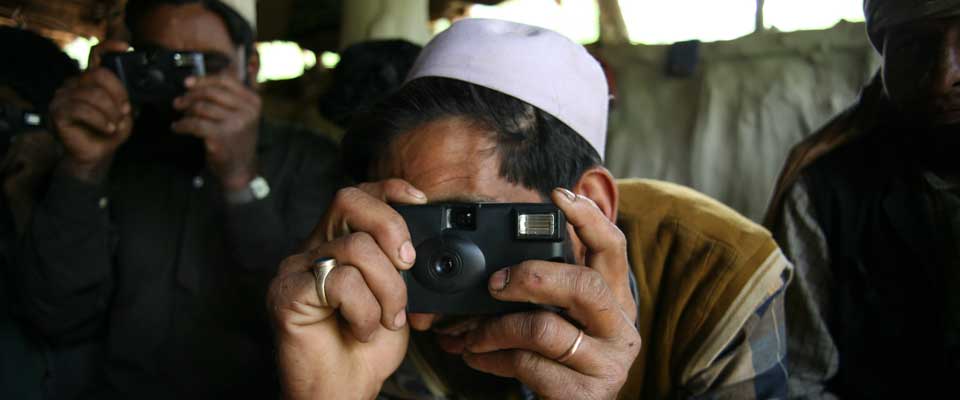
Legal recognition, however, requires evidence and informed participation. Oral testimony, migration routes, family histories, photographs, older permits, community maps, and records of traditional use can all help describe the relationship between people and forest landscapes. Dhar should be documented in ways that respect customary knowledge rather than reducing it to a narrow property category.
Community Governance And Shared Access
Customary tenure works through social agreements. Community members often understand where households traditionally stay, which routes are used, and how grazing or water access is shared. These arrangements may also involve duties such as protecting resources, respecting seasonal limits, and resolving disputes through local discussion.
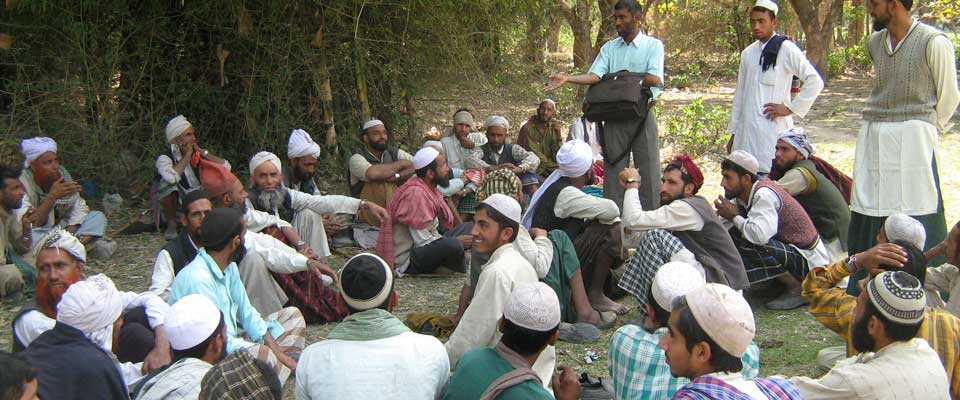
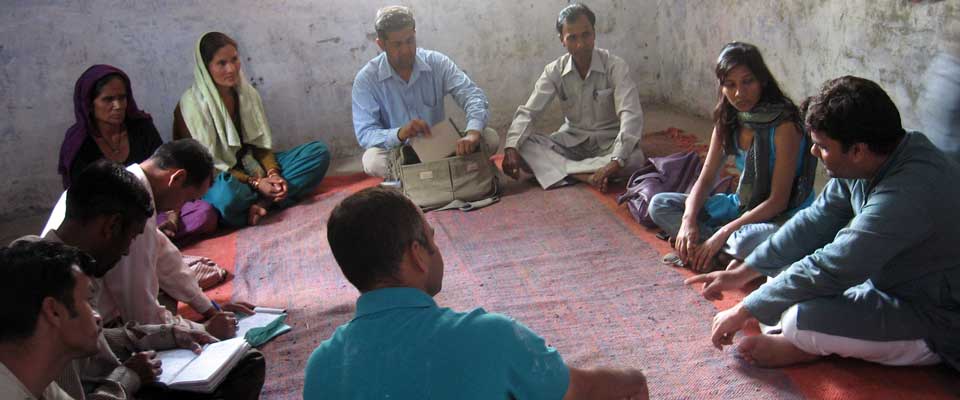
The strength of this system lies in collective knowledge. Mapping exercises, village meetings, participatory research, and social mobilization can bring that knowledge into discussions with forest departments and local administrations. Community-led documentation also helps ensure that women, elders, pastoral workers, and less visible households are included in decisions about land and resource rights.
| Dimension | Customary Understanding Of Dhar | Formal Rights Process |
|---|---|---|
| Basis | Ancestral use, community recognition, and oral knowledge | Statutory law, official records, and Gram Sabha procedures |
| Land relationship | Shared landscapes, seasonal routes, and livelihood access | Rights or claims defined through legal categories |
| Evidence | Testimony, customary practice, routes, and local memory | Forms, maps, resolutions, reports, and supporting documents |
| Main concern | Continuity of pastoral life and community responsibilities | Recognition, protection, and administrative enforcement |
| Possible risk | Knowledge may be overlooked or fragmented | Customary use may be simplified during documentation |
Why Dhar Matters For Livelihood Security
Buffalo husbandry is closely tied to access to grazing, fodder, water, and safe seasonal camps. When forests are closed or traditional routes are interrupted, families may face higher costs and fewer opportunities to sustain their herds. Limited access can also affect milk production, household nutrition, and the viability of local milk markets.
Recognizing Dhar supports a broader view of development. Roads, schools, healthcare, and livelihood programs are important, but they need to account for pastoral mobility. Services designed only around permanent settlements may fail to reach families during migration. Rights-based planning can connect social protection with the actual movements and working patterns of Van Gujjar communities.
Documenting A Living Heritage
Documentation should record more than a boundary. It can include seasonal calendars, grazing routes, water sources, migration camps, sacred or culturally important places, and changes in forest access. Participatory maps allow community members to identify places that may be missing from government records or conventional land surveys.
Such work must protect sensitive information and avoid creating new risks for communities. Consent, collective review, and accessible language are essential. Local knowledge holders should guide the process, while legal and technical support can help translate community evidence into applications, claims, advocacy materials, and policy discussions.
Supporting Recognition And Community Voice
Organizations such as SOPHIA help connect indigenous rights with practical livelihood concerns. Through community empowerment, government engagement, advocacy, and partnerships, civil society can support Van Gujjar families in presenting their experiences and claims. This work is strongest when communities define their priorities and participate directly in decision-making.
Meaningful support can focus on:
- Recording customary routes, grazing areas, and seasonal settlements through participatory methods
- Building awareness of forest rights, domicile rights, and relevant government procedures
- Strengthening buffalo health services and sustainable milk marketing
- Including women and young people in community institutions and rights campaigns
- Encouraging dialogue between Van Gujjar representatives, Gram Sabhas, and public authorities
Dhar expresses a continuing relationship between people and place. Recognizing it can help protect pastoral livelihoods, strengthen forest stewardship, and ensure that development and conservation policies respect indigenous history. Explore SOPHIA’s work, learn about its community-based projects, and support efforts that place Van Gujjar voices at the center of rights and livelihood decisions.