




Training community members in first aid for sprains and fractures
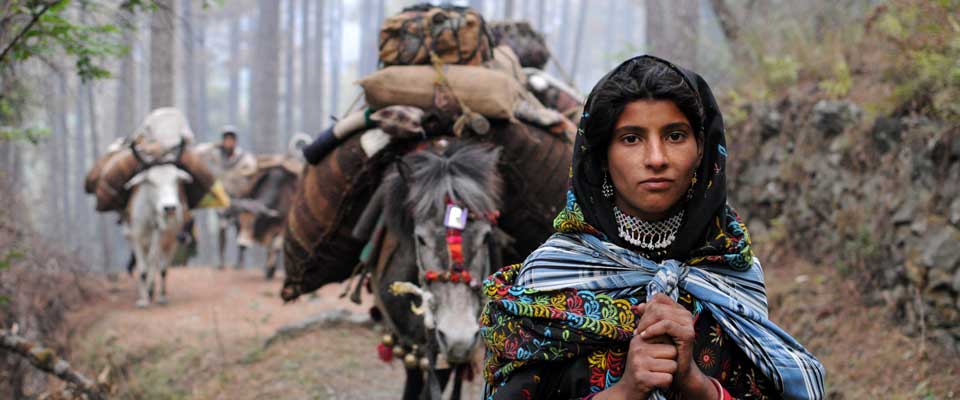
Sprains and fractures can disrupt daily life in ways that threaten income, mobility and independence. Across the Himalayan landscapes where SOPHIA works with Van Gujjar communities, injuries may occur while tending buffalo, crossing uneven forest paths, collecting water or carrying milk to market. Basic first aid can reduce harm while a person waits for professional care.
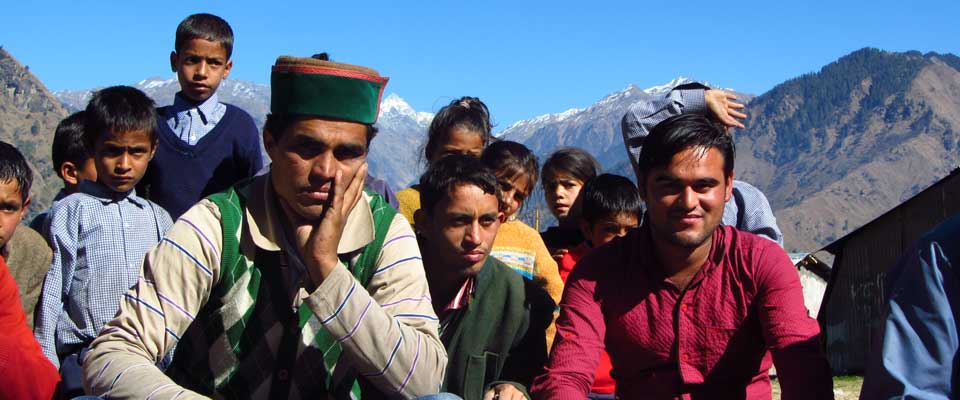
For SOPHIA, this is a community development issue as much as a health issue. Training should respect indigenous knowledge, respond to remote terrain and strengthen access to services in Uttarakhand, Himachal Pradesh and Uttar Pradesh. Australian donors and partners can contribute practical support without imposing a one-size-fits-all course.
Why local context must shape the training
Begin with a local hazard map. Ask where people walk, work and handle animals; which paths become slippery during monsoon rains; and how long it takes to reach a clinic or road. Community members can identify seasonal risks, trusted transport and appropriate gathering places that outside trainers might overlook.
Australian experience offers a useful comparison, not a ready-made model. In Sydney and Melbourne, everyday life often combines walking, public transport and weekend sport, while people in regional and remote areas may travel much farther for emergency treatment. A nearby pharmacy, reliable mobile coverage and the 000 emergency number cannot be assumed in a Himalayan village.
Plan a practical, community-led session
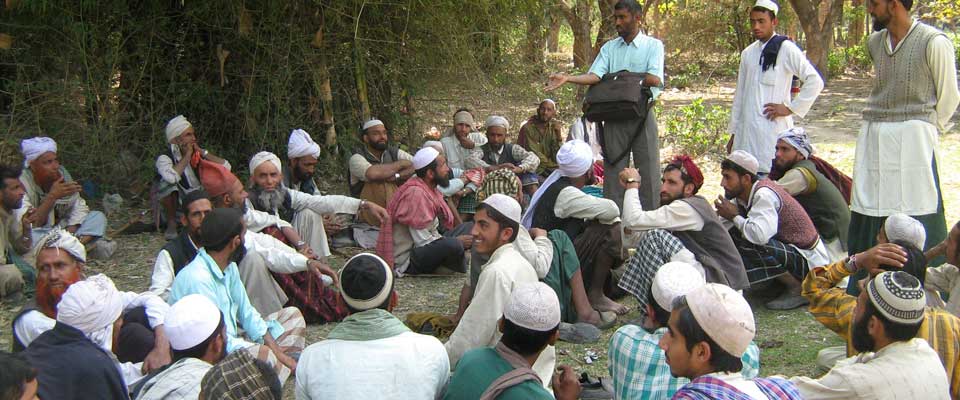
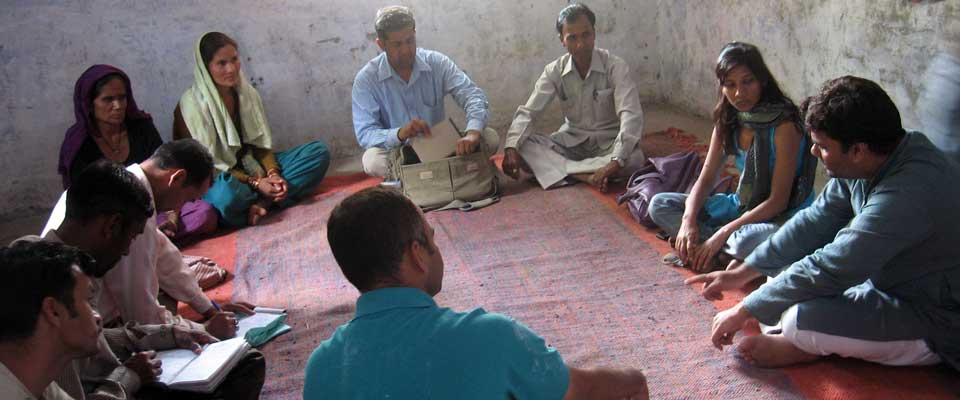
Plan with a small group of community volunteers, local health workers and SOPHIA staff. Use local languages, demonstrations and scenarios drawn from daily work. Two trained facilitators per group allow participants to practise, ask questions and correct one another without embarrassment.
Skills participants should practise
- Recognise common sprain and fracture warning signs, including severe pain, swelling, bruising, deformity and inability to bear weight.
- Provide early care: protect the injury, use wrapped cold packs for sprains, and support suspected fractures without straightening a limb.
- Control bleeding, cover open wounds and avoid pushing protruding bone back into place.
- Recognise emergencies requiring urgent referral, including shock, severe bleeding or loss of circulation below an injured limb.
Materials and arrangements
- Clean cloth, sterile dressings, soft padding and locally available sticks for splints.
- Cold packs, water for handwashing, a timer and waterproof storage for supplies.
- Emergency numbers, clinic details and written directions to the nearest suitable facility.
- Local-language picture guides and rolled towels for practical demonstrations.
Close by testing the referral plan rather than only the skills. Australian pharmacies, supermarkets and outdoor shops commonly stock ready-made first-aid kits, but a useful course also teaches safe improvisation with clean cloth and wood where supplies are scarce.
Teach safe assessment and movement
A fracture cannot always be distinguished from a severe sprain by appearance alone. Ask how the injury happened, inspect without forcing movement and note when it occurred. Remove rings, watches and tight footwear before swelling develops.
For a sprain, protect and rest the limb, apply a wrapped cold pack for up to 20 minutes, and elevate it if comfortable. For a suspected fracture, support the limb in the position found, secure it with padding and a splint above and below the injury where appropriate, and check circulation and sensation. If fingers or toes become numb, blue or pale, loosen the support and seek help. Do not ask the person to test their weight.
Do not move someone with head, neck or back pain unless remaining in place is more dangerous. Cover an open wound, control bleeding around rather than on any protruding bone, and seek emergency help. Where ambulance services are limited, trained responders should follow a pre-agreed transport plan.
Connect first aid with local health services
Training works best when it connects to a functioning referral pathway. SOPHIA can coordinate with local health centres, accredited community health workers and existing village networks to agree on transport, communication and follow-up. Participants should know who to call, where to go and what information to bring.
State and territory laws shape workplace first aid in Australia, rather than one national standard. Safe Work NSW and WorkSafe Victoria publish requirements and guidance covering equipment, training and record keeping, with duties varying by workplace. Australian partners can apply this systems thinking while ensuring that programmes in India follow applicable Indian law and local health protocols.
External support can fund trainers, translation, transport and medical supplies. Organisations such as The Demeter Foundation can be approached to explore whether their funding priorities match these needs.
Build ownership and take action
Skills fade without refresher drills and clear responsibilities. Create village first-aid groups, nominate people to check supplies, maintain emergency contacts and practise seasonal scenarios. Record each session and follow up after three months to address gaps rather than blaming learners.
Young people can strengthen these local systems. SOPHIA’s work on digitizing Van Gujjar genealogies shows how youth engagement can reinforce community knowledge; participants in first-aid training can apply that cooperative approach to shared records, translation and transport networks.
Australian supporters can help by funding local trainers, cold packs, dressings and splinting materials, or contributing first-aid expertise adapted to mountain life. Join SOPHIA in supporting community-led training, and encourage local organisers to co-design every session so that safer care strengthens livelihoods, dignity and trust.