



The Role of Youth in Digitizing Van Gujjar Genealogies
For Van Gujjar communities, genealogy is more than a list of names. It connects families to ancestral grazing routes, buffalo herds, seasonal settlements, customary practices, and the relationships that sustain life in the Himalayan forests. Much of this knowledge remains preserved through oral histories shared by elders.
Young Van Gujjars can help carry these memories into the digital age without separating them from community authority. Their familiarity with smartphones, audio recording, mapping tools, and online communication gives them an important role in building a secure and useful archive of family histories.
This work can support cultural continuity while strengthening advocacy for pastoral livelihoods, domicile rights, and recognition of long-standing forest relationships. With guidance from elders and organizations such as SOPHIA, youth can become researchers, archivists, translators, and rights communicators.
Why family histories matter
Van Gujjar genealogies often reveal connections that official documents do not capture. A family tree may show where a household traditionally migrated, which relatives shared a winter camp, or how buffalo ownership and responsibilities passed between generations. These details help explain the social organization of pastoral life.
Recorded memories can also protect cultural identity during periods of displacement, settlement, or changing land-use policies. When younger people understand their lineage and community history, they are better prepared to represent their families in village meetings, public consultations, and discussions with government agencies.
A digital genealogy should therefore be treated as a living community resource, not simply a database. It must preserve the meaning behind names, places, relationships, and journeys.
Youth as a bridge between generations
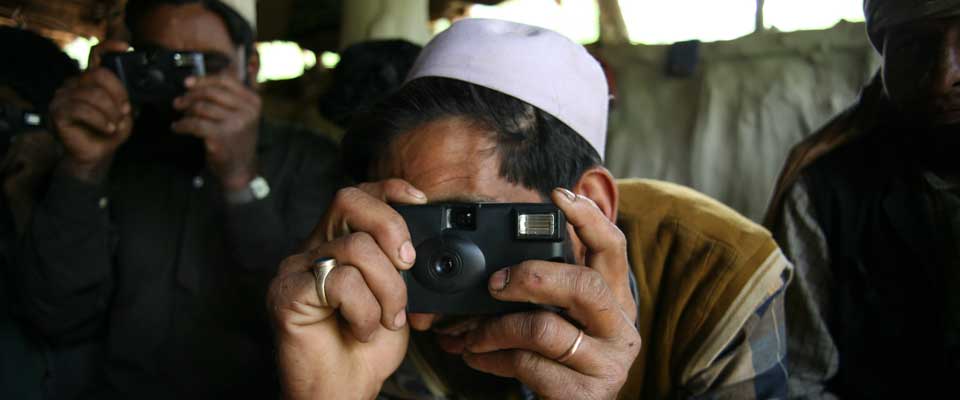
Many elders hold extensive knowledge but may have limited access to digital tools. Young people can bridge this gap by conducting respectful interviews, recording oral narratives, scanning documents, and entering information in Urdu, Hindi, or locally preferred forms. They can also create transliterations that make records easier for different family members to use.
The process should begin with listening. Youth researchers need to learn how each elder prefers to share information and whether certain details should remain private. A family history may include sensitive matters involving adoption, inheritance, migration, or internal disputes, so permission must be clear and ongoing.
This intergenerational exchange benefits both sides. Elders see their knowledge valued, while younger members gain practical understanding of pastoral customs, buffalo husbandry, kinship networks, and the geography of seasonal movement.
Building records with care
Digitizing genealogy requires more than entering names into a spreadsheet. Each record should include its source, date, language, location, and the level of consent given by the people involved. Audio files, photographs, handwritten notes, and maps can provide important context, but they should be organized consistently.
Community data sovereignty is essential. Families should know who can access their information, where copies are stored, and how records may be used in advocacy or research. Password protection, offline backups, and controlled sharing can reduce the risk of misuse or accidental loss.
Youth teams can develop a simple system that is practical in areas with weak connectivity. Mobile data collection, memory cards, printed verification sheets, and periodic offline backups may be more dependable than relying entirely on cloud services.
A shared workflow for reliable archives
A community-led process can make digital genealogy accurate while keeping decision-making with Van Gujjar families. Different tasks can be assigned according to age, skills, and availability.
| Archive task | Youth contribution | Community safeguard | Useful outcome |
|---|---|---|---|
| Family interviews | Record audio and prepare notes | Obtain informed consent | Preserved oral history |
| Name and relationship entry | Build a family tree | Allow families to verify details | Clear lineage record |
| Migration mapping | Mark seasonal routes and camps | Review locations with elders | Evidence of pastoral mobility |
| Document scanning | Digitize certificates and letters | Restrict sensitive files | Safer document storage |
| Archive maintenance | Update files and backups | Use shared access rules | Long-term continuity |
Verification should happen before information is shared outside the family or community. Elders and family representatives can check spellings, relationships, dates, and place names. Where accounts differ, the archive can record multiple versions rather than forcing a single answer.
Connecting genealogy with rights
A well-managed archive can support advocacy when communities need to demonstrate long-term residence, customary access, or relationships among households. Genealogies alone cannot establish every legal claim, but they can strengthen a broader body of evidence alongside testimonies, government records, maps, and historical documents.
Youth can help organize this material for rights-based campaigns and public engagement. They may also learn how community history relates to forest access rights, especially when pastoral mobility is misunderstood or excluded from official planning.
The same records can support livelihoods. Family knowledge about buffalo lines, experienced herders, milk production, and traditional husbandry may help communities improve training, local milk marketing, and intergenerational skills transfer without turning cultural knowledge into an extractive resource.
Skills that strengthen the work
Successful youth archivists need technical ability, but trust and cultural sensitivity matter just as much. Training can cover audio recording, file naming, translation, mapping, interview ethics, consent, and basic digital security. Young women should have equal opportunities to participate, particularly because they may hold essential knowledge about marriage ties, household histories, caregiving, and milk practices.
SOPHIA and partner organizations can support youth circles where participants share methods, review challenges, and coordinate with village committees. Small local teams are often more effective than distant specialists because they understand the language, seasonal rhythms, and relationships within the community.
Useful priorities for a youth-led genealogy project include:
- Begin with a small group of consenting families and test the recording process.
- Create bilingual forms for names, places, relationships, and migration details.
- Keep original audio and scanned documents alongside written summaries.
- Establish community rules for privacy, correction, sharing, and deletion.
- Train several people in each area so the archive does not depend on one individual.
Keeping the archive alive
Digitization has value only when records remain accessible, accurate, and connected to community life. Youth can arrange annual verification meetings, add new generations, document changing migration patterns, and preserve stories that might otherwise disappear. They can also use photographs, short films, and local exhibitions to make genealogical knowledge meaningful beyond a computer folder.
A strong archive should serve the people whose histories it holds. Support Van Gujjar youth through training, equipment, documentation partnerships, and rights-based community programs so they can protect their heritage while shaping a secure future. Get involved with SOPHIA’s work and help place community knowledge in the hands of the communities who sustain it.