



Seasonal schools that follow migrating families
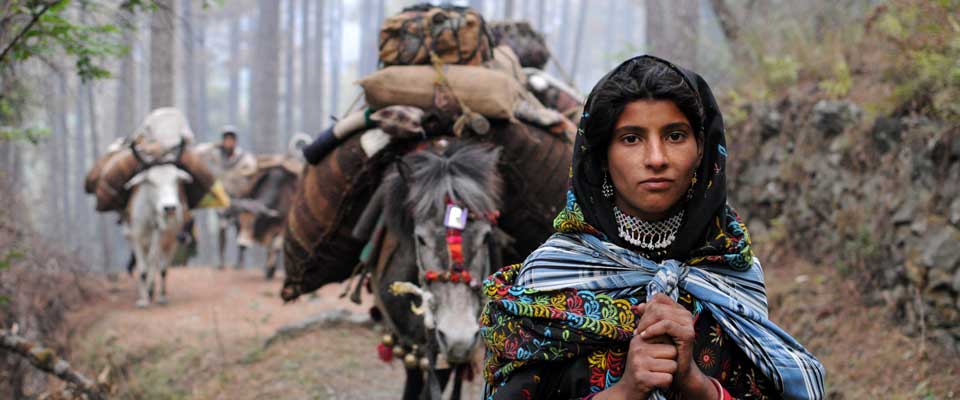
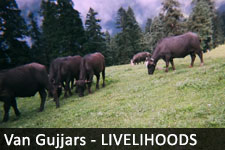
In Himalayan districts of Uttarakhand, Himachal Pradesh and Uttar Pradesh, families move with buffalo herds or seasonal work. When children travel, distance and irregular attendance can interrupt learning. A seasonal school protects continuity without requiring families to stay in one place.
A seasonal school for children during migration periods is a temporary, community-run learning space aligned with migration routes and work cycles. Flexible timetables, portable materials and local facilitators support learning, while agreements with nearby schools preserve enrolment and records.
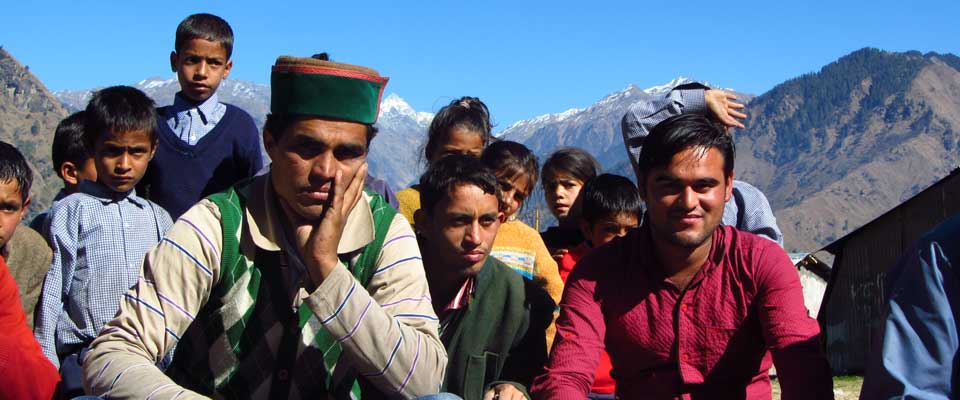
As an Indian registered non-governmental organisation, SOPHIA brings experience with Van Gujjar and Himalayan communities, buffalo husbandry, milk marketing and forest rights. Its social mobilisation and rights-based planning offer a model that can be adapted for Australian seasonal-worker communities.
In Melbourne and rural Victoria or New South Wales, a service could operate during school holidays, harvest periods or sudden family relocation. It should follow local needs, Australian school and child-safety rules, and community ownership.
Listen before you design
Map each family’s movement, work calendar, children’s ages, language needs, health constraints and preferred learning times. Record where temporary housing changes, since a school calendar alone will not reveal when attendance will fall.
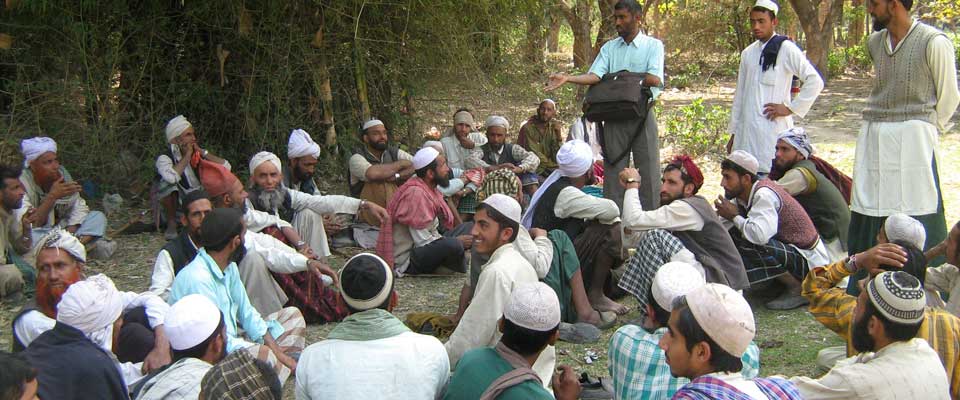
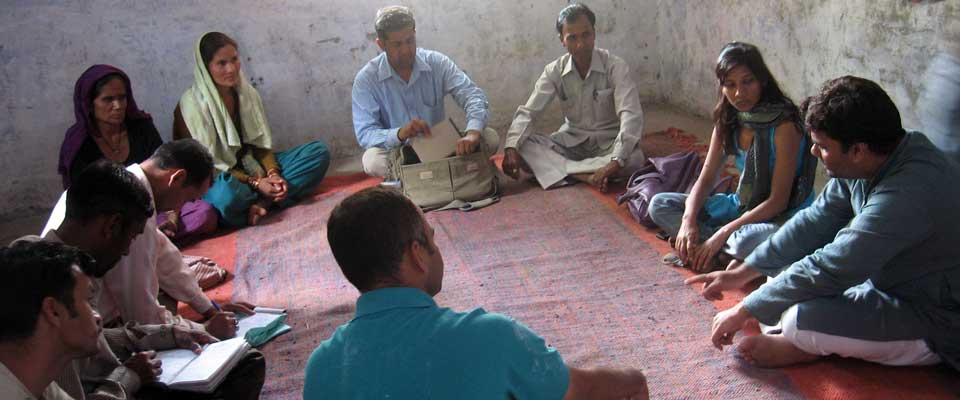
Create a steering group of parents, adolescents, teachers, child-protection workers and local service providers. Where Aboriginal communities are involved, First Nations education protocols should guide governance; SOPHIA’s community-control principles should remain a shared commitment, not an imported template.
Choose sites that travel
Use council halls, public libraries, community centres or approved farm-shed classrooms, with a mobile vehicle as backup. In Melbourne, libraries and council centres can offer accessible, familiar spaces, while regional sites should sit near transport routes and the family’s daily travel.
Check toilets, drinking water, shade, disability access, fencing, emergency exits and reliable heating or cooling before classes begin. Agree on opening hours, a site coordinator and procedures for severe weather, illness and evacuation.
Build a portable curriculum
Pack a modular curriculum in numbered, washable kits covering reading, numeracy, digital skills, science, arts and wellbeing. Use short cycles, bilingual materials and familiar stories so children can rejoin at any point without losing confidence or repeating a whole term.
Livelihood-based lessons can reflect SOPHIA’s account of buffalo dung practices, which links household energy, farming and village life. In Australia, teachers might safely observe farm composting and renewable-energy choices, with strict hygiene rules and no direct contact with animal waste.
Recruit a local teaching team
Recruit local teachers and bilingual educators, then support them with community facilitators and trained assistants. Pay all roles, protect release time where workers have fixed commitments, and retain the same familiar adults across successive seasonal cycles.
Before opening, confirm state and local requirements for enrolment, staff screening, first aid, mandatory reporting and food handling. A simple handbook should cover lesson continuity, attendance, safe release of children and communication with host schools.
Protect wellbeing and participation
Make the space safe, welcoming and free of stigma. Let children choose whether to attend, provide referral routes for health, disability and family-support services, and record agreed plans for transitions, pickups and emergencies. Attendance data must remain private.
Nutrition can become a practical lesson. Teachers should explain that Australian “use by” dates indicate safety limits, while “best before” dates concern quality; this food safety at home resource offers a useful household explanation. When feasible, visits to markets such as Melbourne’s Queen Victoria Market can become label-reading, budgeting and numeracy activities.
Pilot the school and learn
Test the model for one work cycle before expanding. Track enrolment, attendance patterns, learning progress, teacher workload, safeguarding concerns and parent feedback; use age and location data only when necessary and with consent.
Agree a modest budget for staffing, venue hire, transport, materials, meals and insurance. Coordinate with a host school or education department so records, staffing and curriculum requirements remain valid when the temporary site closes.
- Co-design timetables with families and local schools.
- Choose accessible sites near transport and family services.
- Prepare bilingual kits and practical learning activities.
- Establish referral, emergency and child-protection procedures.
- Fund food, transport, staffing and accessibility from the outset.
- Review outcomes with children, families and teachers each cycle.
Keep the review practical: retain what children value, adjust what creates barriers, and publish a short seasonal report so the next community can begin with evidence rather than guesswork.
Keep the school community-owned
Give ownership to a local committee with parent, teacher and youth representation, clear responsibilities and a flexible community fund. Seasonal handover notes should carry each child’s permitted records, while a shared calendar prepares the next location and school term.
To begin, contact SOPHIA to share the community-led model, then approach a regional school, council or community centre about a pilot site. Invite families and local educators to shape the timetable, apply local safeguarding requirements and maintain availability when families move. Every child deserves continuity, dignity and a safe place to learn wherever the season leads the family.