






Buffalo Dung in Village Energy and Soil Care
In many Himalayan villages, buffalo dung is a practical household resource. Families collect it from cattle sheds, shape it into cakes for drying, mix it into compost, or apply it to fields after suitable treatment. This everyday material links animal care with cooking fuel, soil fertility, and household income.
For Australian readers, the practice may feel different from buying a bag of cow manure at Bunnings or spreading compost on a suburban veggie patch. Yet the principle is familiar: farms turn an unavoidable by-product into something useful. In remote Indian communities, that reuse can be essential to household resilience.
A Fuel Made From Daily Work
Fresh dung is gathered from buffalo shelters and mixed, where needed, with straw or other fibrous material. Families press the mixture into flat cakes and place them on walls, roofs, or open ground to dry in the sun. Once dry, the cakes burn slowly and can help boil water or cook meals.
This fuel is especially valuable where firewood is scarce, costly, or difficult to collect. It can reduce pressure on nearby forests, although smoke from indoor burning can harm respiratory health. Improved stoves, chimneys, ventilation, and biogas systems help retain the energy value while reducing exposure to household air pollution.
From Animal Shed To Cropping Field
Buffalo manure contains organic matter and plant nutrients, including nitrogen, phosphorus, and potassium. When composted with bedding, crop residues, and household organic waste, it becomes a useful soil conditioner. It can improve moisture retention and soil structure in fields, kitchen gardens, and small orchards.
Applying mature compost is safer and more effective than spreading large amounts of fresh dung directly onto crops. Aged material releases nutrients gradually and is less likely to damage seedlings or carry harmful organisms. For farmers working steep Himalayan land, building soil organic matter can support productivity where erosion and irregular rainfall are persistent concerns.
A Circular System Around Buffalo
Buffalo husbandry creates a close cycle: animals eat fodder, produce milk, and leave manure that supports fuel and farming. Crop residues can feed buffalo, while bedding and dung return nutrients to the land. This reduces the need to purchase fertiliser and makes better use of materials already present in the village.
Milk sales can strengthen this cycle by providing cash for veterinary care, feed, tools, and household needs. In regions where roads and markets are unreliable, using local manure has a practical advantage. It does not depend on a delivery truck reaching a remote settlement or on imported agricultural inputs.
Work, Time, And Household Equity
Collecting and processing dung requires time. In many communities, women carry much of the work connected with fodder, milking, fuel preparation, and household cooking. Projects that promote dung-based energy should therefore consider labour, safety, decision-making, and who controls any savings from reduced fuel purchases.
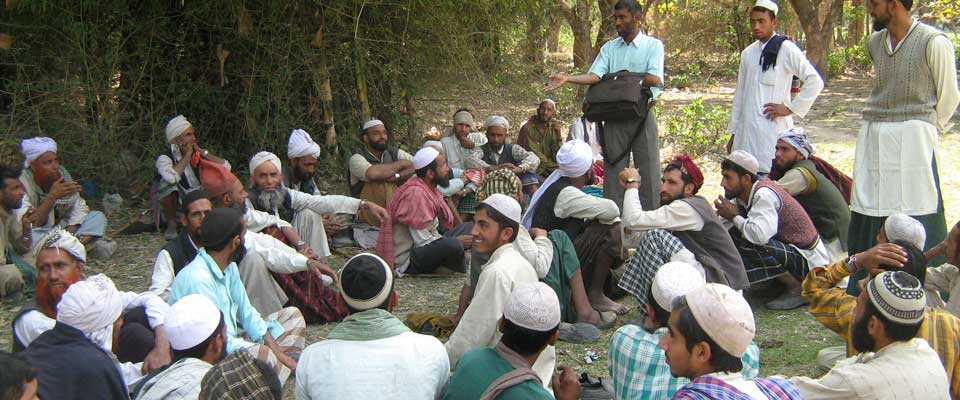
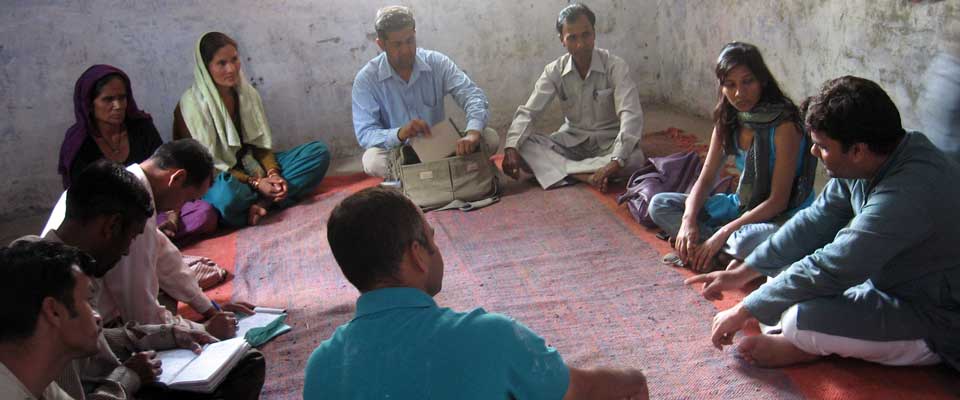
Community discussion can lead to better choices than a single technology imposed from outside. Some families may prefer improved biomass stoves, while others may benefit from a household or shared biogas digester. Reliable water, regular dung supplies, maintenance skills, and access to spare parts all affect whether a system remains useful after installation.
Lessons For Australian Rural Communities
Buffalo are less common in Australia than cattle, yet manure management is familiar on dairy farms in Gippsland, the Hunter Valley, and Queensland. Australian producers may use covered ponds, composting areas, soil amendments, or anaerobic digesters to manage effluent and recover nutrients. Regulations, water protection rules, and biosecurity requirements shape what can be stored or spread.
There is also a difference in scale and market access. A farmer near Wagga Wagga may purchase pelletised manure or compost from a garden supplier, while a Himalayan household may dry fuel beside the home because there is no dependable commercial alternative. In Australian conversation, “the back paddock” and “the bush” often describe working landscapes; in Uttarakhand, forest access can be closely tied to customary rights and community survival.
Health, Forests, And Climate Choices
Dung cakes can reduce firewood collection, yet they are not automatically a clean energy solution. Burning them indoors produces smoke and fine particles, and poorly managed manure can contaminate water or attract flies. Safe drying areas, handwashing, covered storage, and improved ventilation are important parts of responsible practice.
Biogas offers another pathway. A digester converts wet manure into methane for cooking and leaves a nutrient-rich slurry for crops. The technology can reduce smoke and preserve fertilising value, but it needs regular feeding, water, maintenance, and technical support. Local knowledge should guide decisions about what is affordable and workable through winter or monsoon conditions.
Community Rights And Practical Support
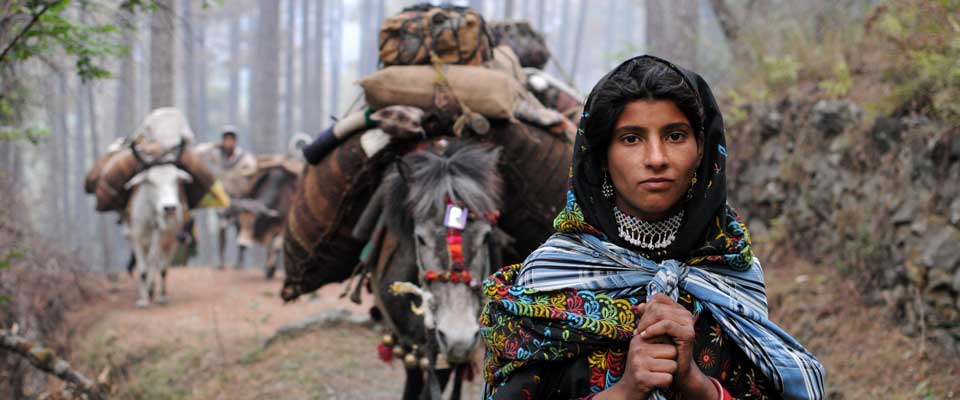
The value of buffalo dung cannot be separated from land, forest, and livelihood rights. Van Gujjar pastoral communities depend on access to grazing routes, forests, water, and secure places to live. When those rights are restricted, families may lose the animals and land-based practices that make manure recycling possible.
Organisations such as SOPHIA’s community work support rights-based development, social mobilisation, advocacy, and engagement with government agencies. Such work can connect technical ideas with local priorities, ensuring that fuel and fertiliser projects strengthen pastoral livelihoods rather than treating communities as passive recipients.
Buffalo dung is a modest material with a large role in village life. Used carefully, it can lower household costs, return nutrients to depleted soil, support milk-based livelihoods, and reduce dependence on distant supplies. Its benefits are greatest when clean energy, health protection, environmental care, and community authority are considered together.
Support organisations working with Himalayan and Van Gujjar communities by sharing their work, building responsible partnerships, or contributing skills and resources. Practical solidarity can help communities protect their rights while sustaining the animals, soils, and local knowledge on which village life depends.