


How to Run a Buffalo Show and Trade Fair in a Remote Village
A buffalo show and trade fair can bring together animal husbandry, local enterprise, cultural pride and practical rights awareness. In a remote village, the event should be designed around the community’s daily rhythm, seasonal movement, available transport and knowledge of livestock care. A successful day is more than a competition: it creates a trusted space where families can exchange animals, compare milk yields, discuss fodder and connect with buyers.
For organisations working with Van Gujjar and Himalayan village communities, careful preparation is essential. The programme must respect pastoral traditions while making room for women, young people, small producers and households that may live far from the main settlement. The same principles would feel familiar to an Australian rural audience, where a local show, campdraft or cattle market often succeeds because people value practical demonstrations, fair dealing and a strong community atmosphere.
Build A Community-Led Planning Group
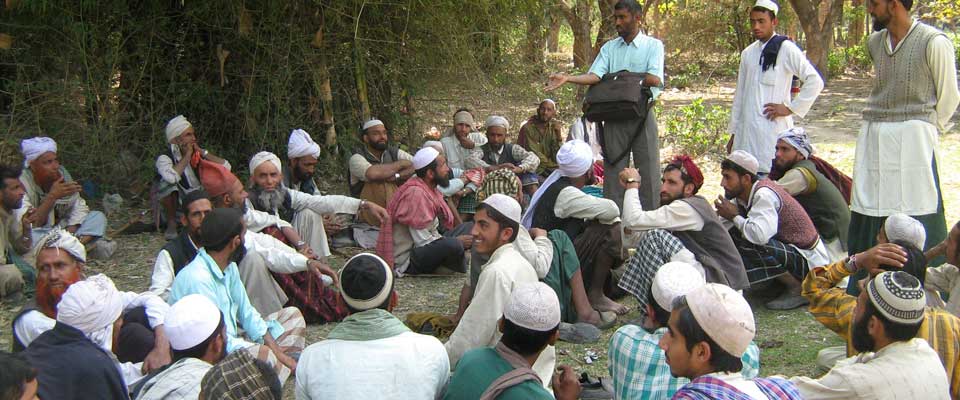
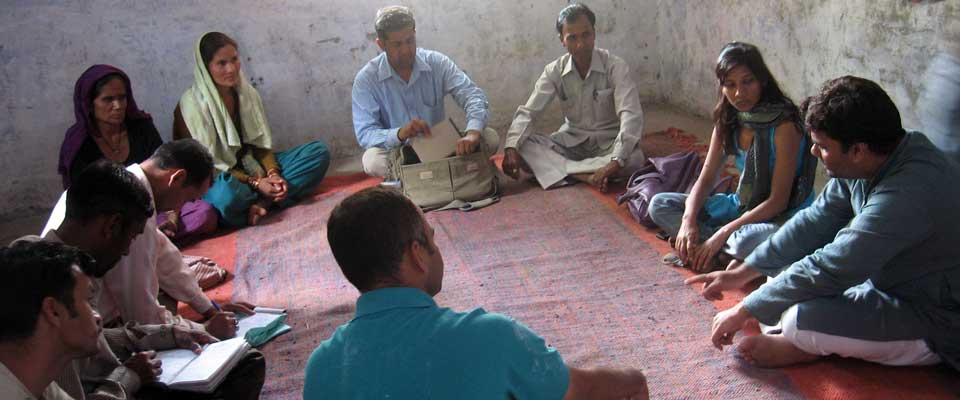
Begin with a small organising committee that includes buffalo keepers, women’s representatives, youth, elders, local traders, a veterinary worker and a village council representative. Assign clear roles for animal registration, finance, publicity, water, sanitation, judging, first aid and conflict resolution. Decisions about entry fees, prizes and trading rules should be recorded publicly so that trust is protected.
A community meeting can identify the best date and location. Avoid periods when pastoral families are moving with their herds, harvesting crops or facing heavy monsoon travel. In the Australian bush, organisers might check the local show calendar, council requirements and road conditions before setting a date; a Himalayan village needs the same practical discipline, adjusted to footpaths, forest routes and seasonal streams. Community members can also review the Camp to Belong approach for ideas about creating inclusive activities that help young people feel connected. (Camp to Belong)
Prepare The Site And Protect Animal Welfare
Choose level ground with safe access for buffalo, handlers and visitors. Mark separate areas for unloading, judging, trading, milking demonstrations, veterinary checks, food stalls and quiet resting. Provide shade, clean drinking water, non-slip pathways and sturdy temporary fencing. Buffalo should never be crowded into a narrow pen or left in direct sun without relief.
Before the event, arrange a qualified animal health worker to inspect entrants and advise on vaccination, parasites, wounds and signs of illness. Use gentle handling and prohibit beating, tail pulling, overcrowding and unsafe decorations. Useful site checks include:
- Safe loading and unloading areas away from children and food stalls
- Clean water points refilled throughout the day
- A shaded holding pen with space between animals
- A first-aid station for people and an isolation area for sick buffalo
- Waste pits or collection points positioned away from streams
Australian organisers may recognise the importance of property identification and movement records under systems such as the National Livestock Identification System. A village fair may use simpler registers, but the purpose is similar: know where animals came from, who owns them and whether they can be safely moved.
Create Fair Judging And Trading Rules
Keep judging understandable and relevant to local priorities. Categories might include healthy adult buffalo, productive milch buffalo, well-grown young stock, best-maintained animal and responsible handler. Judges should assess body condition, cleanliness, sound legs, calm behaviour, udder health and evidence of good care rather than rewarding expensive decoration.
Publish the criteria before entries open and use at least two judges where possible. Avoid judging an animal owned by a close relative or business partner. Prizes can include fodder, veterinary kits, milking equipment, mineral supplements or public recognition, rather than cash alone. This keeps the event focused on stronger livelihoods.
The trade fair needs written rules for deposits, ownership documents, payment, animal inspection and disputes. Display typical local prices without promising a fixed value. Australian readers will understand the importance of transparent weighing, buyer confidence and clear sale terms at a cattle market; in a Himalayan village, a simple receipt witnessed by two respected people can provide similar protection.
Promotional activities should reach people who cannot regularly attend meetings. Use village announcements, noticeboards, market-day conversations and youth-led digital material. SOPHIA’s work on Van Gujjar youth storytelling shows how young people can document community knowledge and help share event information responsibly.
Make The Day Educational And Welcoming
Open with a short explanation of the purpose, safety rules and judging process. Schedule demonstrations on fodder preparation, clean milking, calf care, buffalo grooming and low-cost shelter design. Invite experienced keepers to explain what works in local conditions rather than relying only on outside experts.
Include a women’s discussion area, a youth activity and a stall for information about forest rights, domicile rights, veterinary services, milk marketing and government schemes. In Australia, a sausage sizzle, ute access and a public-address system might be standard at a country show; a remote village may need local food stalls, hand-carried equipment and a battery-powered speaker. The principle is the same: make the day comfortable, practical and easy to navigate.
A simple programme might include:
- Morning registration, health checks and animal placement
- Demonstrations on feeding, milking hygiene and husbandry
- Judging with public explanations of each category
- Midday trading, producer discussions and community food
- Prize-giving, feedback and safe arrangements for animals going home
Record Results And Build The Next Fair
Keep a register of owners, animal identification details, sale outcomes, prize winners and services requested. Record attendance separately for women, men and young people where appropriate. These details help show whether the fair reached remote households or mainly benefited established traders.
After the event, hold a short review with organisers and participants. Discuss transport, animal welfare, pricing, inclusion, sanitation and any disputes. A few photographs, consent-based interviews and written testimonies can preserve local knowledge, support advocacy and improve future milk marketing efforts. Store records securely and share findings in accessible formats.
The strongest fair becomes an annual community institution rather than a one-off spectacle. With careful planning, a buffalo show can strengthen pastoral livelihoods, encourage responsible husbandry and create a reliable meeting point between producers, buyers, public agencies and rights-based organisations. Bring together local leaders, animal keepers and youth, set a date suited to the pastoral calendar, and begin with a transparent planning meeting.