



Giving Van Gujjar Youth A Digital Voice
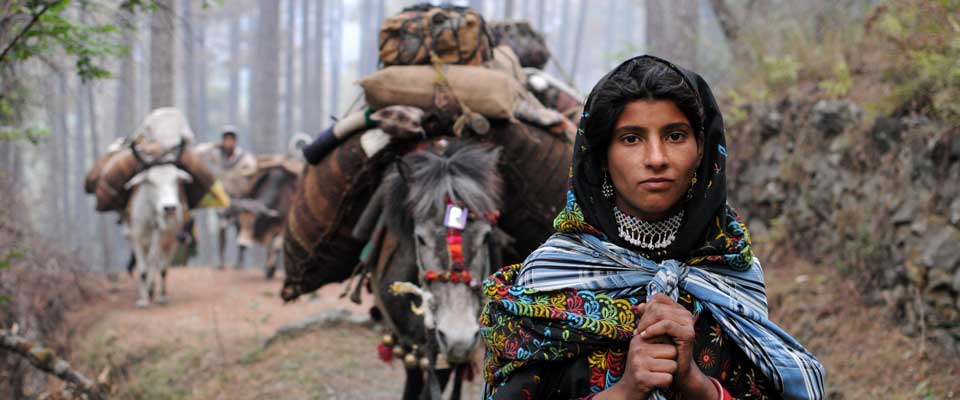
For Van Gujjar communities across Uttarakhand, Himachal Pradesh, and Uttar Pradesh, storytelling has long carried knowledge across generations. Seasonal migration routes, forest relationships, buffalo husbandry, songs, oral histories, and memories of changing landscapes all form part of a living cultural archive.
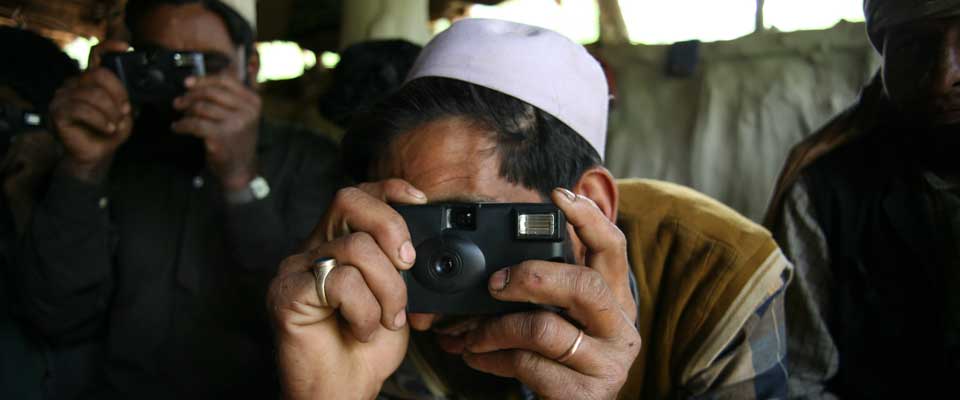
SOPHIA is helping young people bring that archive into the digital age. Through mobile photography, audio interviews, short videos, and social media publishing, Van Gujjar youth are learning to represent their communities in their own words.
This work is about more than acquiring technical skills. It strengthens confidence, documents indigenous knowledge, and creates new ways to discuss forest rights, domicile rights, education, pastoral livelihoods, and social change with wider audiences.
Building Skills Through Local Stories
SOPHIA’s digital storytelling activities begin with subjects young people already understand. A family’s buffalo-rearing practices, a route through the forest, a village meeting, or a disappearing folk tradition can become the foundation for a powerful story.
Participants learn how to plan a narrative, record clear sound, frame photographs, edit video, and protect the dignity of the people they interview. The process encourages careful listening rather than simply collecting attractive images. Youth become researchers, creators, and community communicators at the same time.
Connecting Generations And Communities
Young storytellers often work with parents, grandparents, pastoral leaders, and women involved in household dairy production. Interviews create space for older residents to explain customary practices and for younger residents to ask questions about migration, land access, schooling, and livelihood changes.
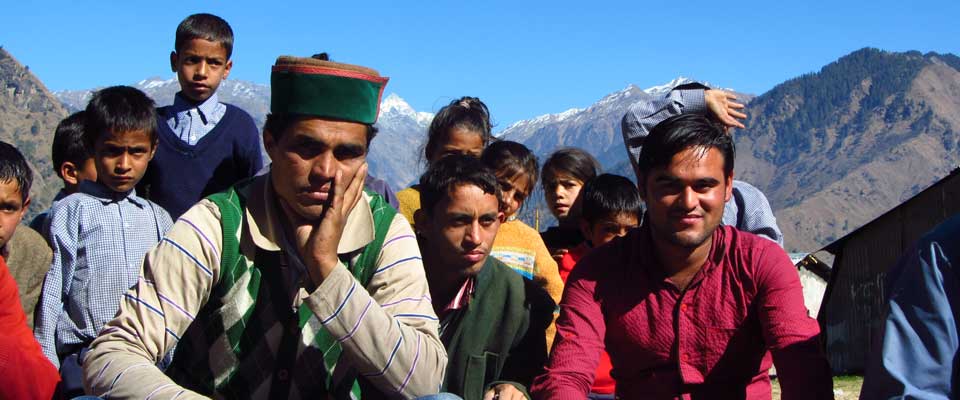
These conversations can also connect Van Gujjar settlements with Himalayan village communities facing related pressures. Shared digital collections make it easier to compare experiences, celebrate cultural diversity, and build solidarity around sustainable pastoralism and community rights.
From Mobile Content To Public Advocacy
A phone camera can become an advocacy tool when a personal story is connected to a wider social issue. A short film about a grazing route may reveal how restrictions affect mobility. An interview about milk marketing can show why fair prices and reliable transport matter to pastoral families.
The editorial curiosity used to examine uncertainty in the avalanche feature can also inspire youth to document how communities respond to risk, seasonal change, and difficult journeys. Their work gives government officials, partner organizations, and supporters a clearer view of realities that formal reports may overlook.
| Digital storytelling element | Community value | Skills developed |
|---|---|---|
| Oral history interview | Preserves memory and indigenous knowledge | Listening, questioning, transcription |
| Mobile photography | Makes everyday work visible | Composition, consent, visual communication |
| Short documentary | Explains rights and livelihood concerns | Scripting, filming, editing |
| Audio story | Reaches audiences with limited internet access | Recording, narration, distribution |
| Social media post | Builds public awareness and solidarity | Caption writing, fact-checking, advocacy |
Protecting Dignity And Informed Consent
Responsible storytelling is central to SOPHIA’s approach. Young creators need to understand when permission is required, how images may be reused, and why people should not be presented only through poverty or hardship. Community members should have opportunities to review sensitive material before publication.
Digital safety is equally important. Personal details, migration routes, children’s identities, and politically sensitive information must be handled carefully. Training can help youth recognize misinformation, avoid harmful stereotypes, and distinguish between public advocacy and private community information.
Creating Pathways For Youth Leadership
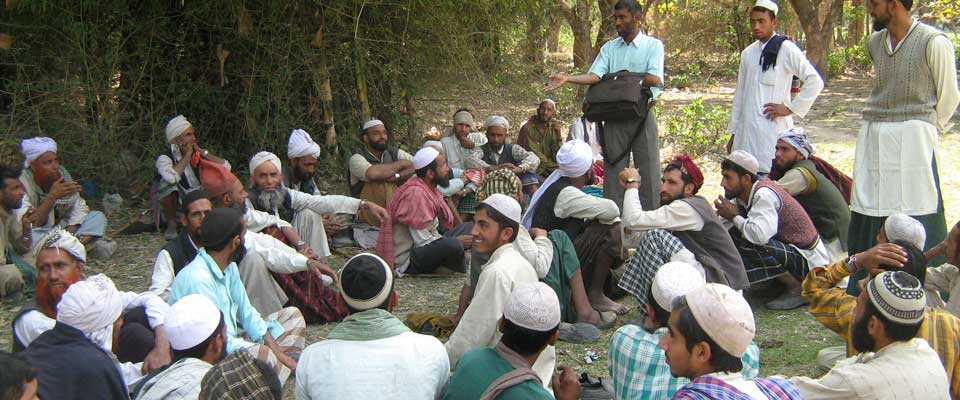
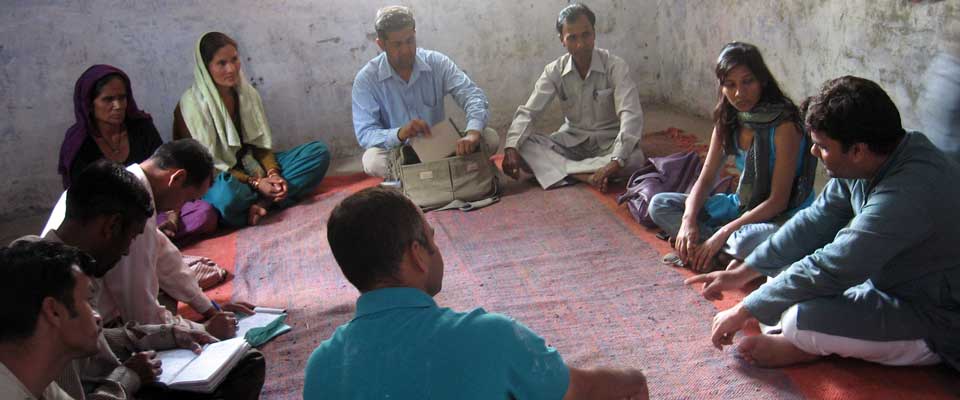
Digital media projects can give Van Gujjar youth practical leadership roles within rights-based community work. A young person who documents a village meeting may later help prepare a presentation for officials. Someone who records milk producers may support a campaign for better market access.
SOPHIA can strengthen these pathways by linking storytelling with social mobilization, government engagement, and partnerships with other NGOs. Youth-produced content can inform project planning while allowing communities to decide which issues deserve public attention.
Supporting A Living Media Archive
A well-organized archive can preserve photographs, recordings, interviews, maps, and short films for future generations. Metadata such as location, date, language, subject, and consent status makes the collection useful for education, research, advocacy, and community planning.
The archive should remain accessible to the people whose lives it documents. Local screenings, village listening sessions, youth exhibitions, and bilingual captions can ensure that digital work returns to the community instead of remaining online for outside audiences alone.
Practical Priorities For Stronger Storytelling
SOPHIA’s youth media work can grow through a focused set of priorities:
- Provide shared smartphones, microphones, power banks, and basic editing access.
- Train youth in consent, safeguarding, fact-checking, and secure file management.
- Pair technical workshops with sessions on forest rights, pastoral livelihoods, and indigenous identity.
- Create regular opportunities for community review before stories are published.
- Build partnerships that connect youth content with advocacy campaigns and public institutions.
When Van Gujjar youth control the tools and the narrative, digital storytelling becomes a form of community empowerment. It keeps cultural memory active, makes local priorities visible, and helps young people participate in decisions affecting their families and future.
SOPHIA invites supporters, educators, media professionals, and partner organizations to strengthen this work through training, equipment, mentorship, and responsible collaboration. Every carefully recorded voice, image, and memory can help build a more accurate and respectful public understanding of Himalayan pastoral communities.