

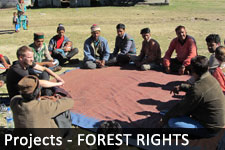

How community radio programs are reaching Van Gujjar audiences
Across northern Uttarakhand, Himachal Pradesh and Uttar Pradesh, community radio can turn a village issue into shared knowledge. Messages about forest obstructions, grazing routes, buffalo milk prices or vaccination become useful when listeners recognise familiar voices and understand the daily concerns behind them. For Van Gujjar pastoral families who move with livestock, this local medium can carry information missed by offices, newspapers or television networks.
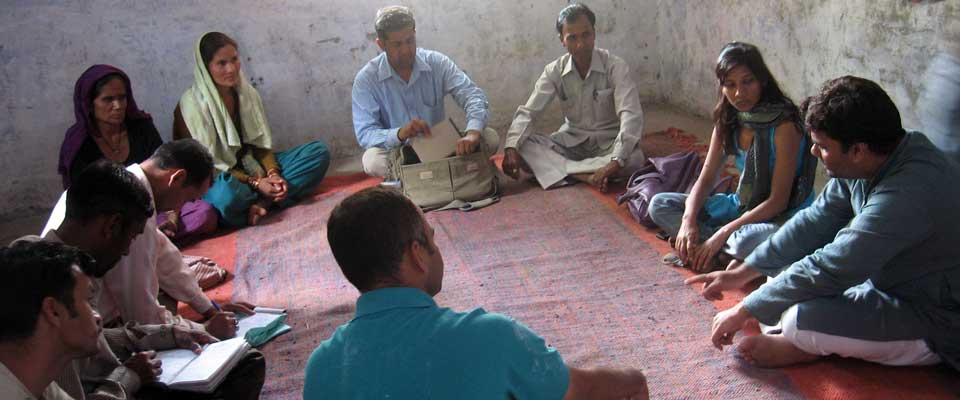
Communication can support SOPHIA’s work on indigenous rights, forest and domicile rights, and sustainable buffalo husbandry. Radio supports organising and advocacy by giving people a channel to ask questions, compare experiences and follow up with officials. Community concerns guide broadcasts, while conversations create evidence for rights-based action.
Listening where pastoral life happens
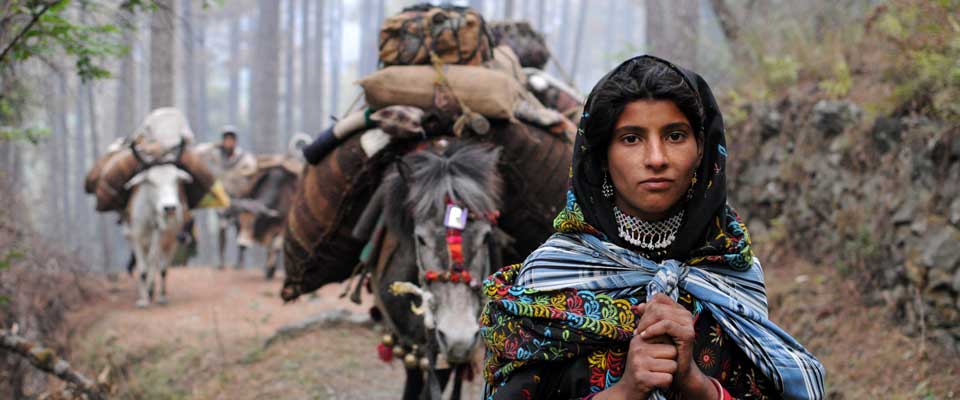
A useful schedule follows the pastoral calendar rather than an office clock. When families move between high pastures and villages, they may hear a bulletin before departure, at a stopping point or on return. Repeat transmission matters because a missed broadcast should not mean a missed deadline.
Subjects are practical: water, resting places for cattle, officials who receive complaints and how milk buyers operate. Presenters can connect each item to a veterinary visit, forest department contact or cooperative, giving listeners information they can act on.
A trusted voice on the move
Trust grows through recognisable presenters and regular contact. A resident who knows local routes, livestock problems and customary practices can explain a policy without losing its practical meaning. Listeners can respond, correct errors or invite another voice, making the station accountable to the community.
Feedback should be easy: a phone number, message service, community meeting or partner visit can shape the next programme. When an answer is delayed, a follow-up can state what has been checked, what remains unresolved and which agency owes a response. Closing that loop supports credibility.
Local language and everyday relevance
Using familiar language makes information easier to enter, question and remember. This matters when legal terms, conservation rules or market calculations differ from government-office language. Plain explanations and local examples connect policy to lived experience.
A strong programme reflects community subjects such as livestock, milk, forests, movement and solidarity. The wider community storytelling practice associated with Crossroads Community NYC offers a useful parallel: local voices become part of civic conversation when media work centres participation rather than publicity. SOPHIA can apply this by letting Van Gujjar speakers set priorities and guide representation.
Building a repeatable broadcast cycle
Consistency makes a small station more useful. A programme can combine talk, interviews, field reports and listener responses. Items can appear in another language or format when needed, without filling the schedule with repetition.
A practical weekly rhythm might include:
- a morning bulletin on weather, routes and services;
- an interview with a herder, trader, official or animal-health worker;
- a field report on grazing, water, forest use or milk collection;
- a listener-response segment with facts checked by SOPHIA;
- a weekly review of unresolved questions and next steps.
Listeners need a simple way to influence and verify what they hear:
- share a problem by phone, in person or through a partner;
- request repetition in another language or format;
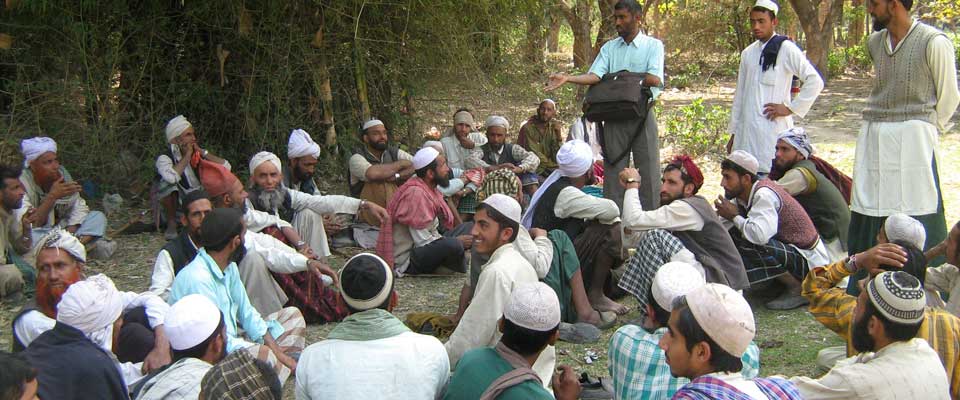
- attend a live broadcast, roadshow or community meeting;
- receive a clear update when an answer takes time.
The cycle works when the team records feedback, refers recurring issues to SOPHIA’s advocacy team and checks again. That link between listening and follow-through makes broadcasts part of wider social mobilisation.
Partnerships that strengthen the signal
Partnerships should widen access without diluting community control. SOPHIA can work with local presenters, women’s groups, cooperatives, veterinarians and rights advocates, while departments and NGOs verify information and respond. Communities should decide which issues are discussed, and partners should be judged by whether they act on what they hear.
Rights information gives broadcasts a clear civic focus. SOPHIA’s grazing-rights campaign shows why awareness matters: residents need to understand conservation decisions, explain customary grazing and keep concerns visible. Radio can open that discussion, while SOPHIA carries verified feedback into policy engagement.
What Australian supporters can recognise
Australian country listeners will recognise community radio, public-service broadcasting and word of mouth. In regional centres such as Wagga Wagga, Broken Hill and Alice Springs, people may move between local FM stations, ABC programming and mobile updates, while reception and data costs shape access. Community radio matters where one service must connect scattered settlements.
Local Australian speech is often direct: a “station break”, “local board” or “fair go” can carry more weight than bureaucratic wording. Rural programs reach people through agricultural shows, school events, local papers and roadside markets. Australian community broadcasters commonly combine subscriptions, grants, sponsorship and public-service funding, so supporters should expect transparent accounts of where money goes. SOPHIA’s model is similarly practical, although its institutions and pastoral context are distinctly Himalayan.
Keep the Van Gujjar voice on air
Supporters can help community radio remain accountable to the people who listen. Backing for SOPHIA’s communication work can fund local presenters, recording equipment, phone-in access, language support and feedback visits. Partnerships with Australian community broadcasters can contribute interviewing and audio-production experience while keeping decisions with Van Gujjar participants.
Speak publicly about indigenous and forest rights, share SOPHIA’s verified campaign material and invite Australian donors to support sustained community media. When listeners can reach the station, shape the agenda and hear what happened next, radio becomes a durable public space for Van Gujjar communities to speak, organise and be heard.