




SOPHIA backs Van Gujjar grazing rights in Indian wildlife sanctuaries
In the mist-laden foothills of the Himalayas, the Van Gujjar community has practised transhumance for generations, moving their buffaloes between alpine meadows and lowland forests with the rhythm of the seasons. SOPHIA, an Indian non-governmental organisation working across Uttarakhand, Himachal Pradesh, and Uttar Pradesh, has taken up the cause of securing formal recognition for these time-honoured grazing rights within the boundaries of protected wildlife sanctuaries. The campaign addresses a growing tension between ecological conservation mandates and the customary entitlements of pastoral communities who have shaped these landscapes for centuries.
Across the globe in Australia, similar conversations unfold around pastoral leases, Indigenous land rights, and the coexistence of cattle stations with national parks. From the dairy pastures of Gippsland to the cattle country of Queensland, Australian farmers and Traditional Owners have long navigated overlapping claims to land, water, and native habitat. The struggle of the Van Gujjar community resonates with Australian audiences familiar with their own history of pastoral activism and native title determinations, including the landmark Mabo decision that reshaped property relations across the continent.
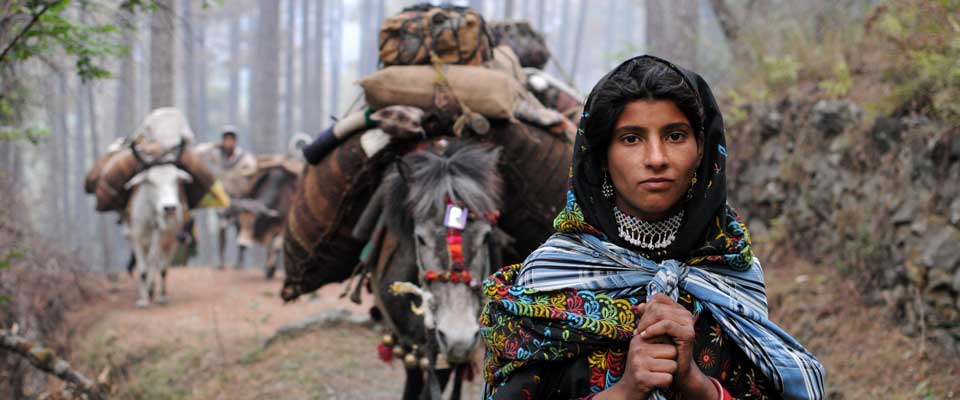
A forest people and their buffalo herds
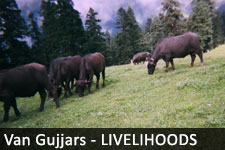
The Van Gujjars are a semi-nomadic pastoral group whose identity is inseparable from their buffaloes and the sal forests they traverse each year. During winter months, families descend with their herds to the warmer Terai and Shivalik foothills, while summers draw them upward into the high meadows of the Himalayas. Their buffalo husbandry supports a milk economy that sustains their households and contributes to local dairy marketing networks that SOPHIA has helped strengthen through community cooperatives.
This pastoral rhythm represents a cultural covenant with the forest ecosystem. The Van Gujjars possess intricate knowledge of grazing grounds, water sources, and seasonal fodder availability refined over hundreds of years. When wildlife sanctuaries were established across Uttarakhand and Himachal Pradesh without meaningful consultation, the foundations of Van Gujjar life were placed under immediate threat.
Protected areas and pastoral displacement
India's network of wildlife sanctuaries has expanded significantly, often displacing traditional users without adequate resettlement provisions. For the Van Gujjars, the creation of protected zones such as Rajaji and Corbett has translated into restricted access to grazing grounds, restrictions on buffalo movement, and the criminalisation of activities long considered customary. Forest department patrols, habitat loss, and rising incidents of human-wildlife conflict have compounded the pressures on these families.
The Australian parallel is unmistakable. The creation of national parks on the fringes of towns like Cairns and Broome has frequently required negotiation with cattle station operators and Aboriginal Traditional Owners. Just as some Australian graziers hold perpetual leases within or adjacent to conservation estates, the Van Gujjars assert that their historical presence within sanctuary boundaries deserves formal legal recognition rather than continued criminalisation.
Rights-based legal frameworks and the Forest Rights Act
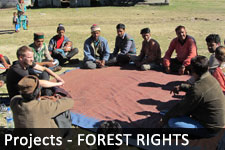
The recognition of Van Gujjar grazing rights draws legitimacy from India's Scheduled Tribes and Other Traditional Forest Dwellers (Recognition of Forest Rights) Act of 2006. This landmark legislation acknowledges the rights of forest-dwelling communities to occupy and manage forest land, subject to certain conditions. SOPHIA has supported Van Gujjar communities in filing claims under this Act, documenting historical use patterns, and engaging with gram sabhas and forest department officials to secure collective entitlements.
The legal struggle mirrors the native title process in Australia, where Aboriginal and Torres Strait Islander peoples have pursued formal recognition of their continuing connection to country. From High Court rulings in Canberra to community meetings in remote Western Australia, the principle that indigenous land use predates colonial governance has gained gradual institutional acceptance. Both contexts illustrate that legal recognition is only the starting point for meaningful coexistence with conservation regimes.
Community mobilisation and strategic partnerships
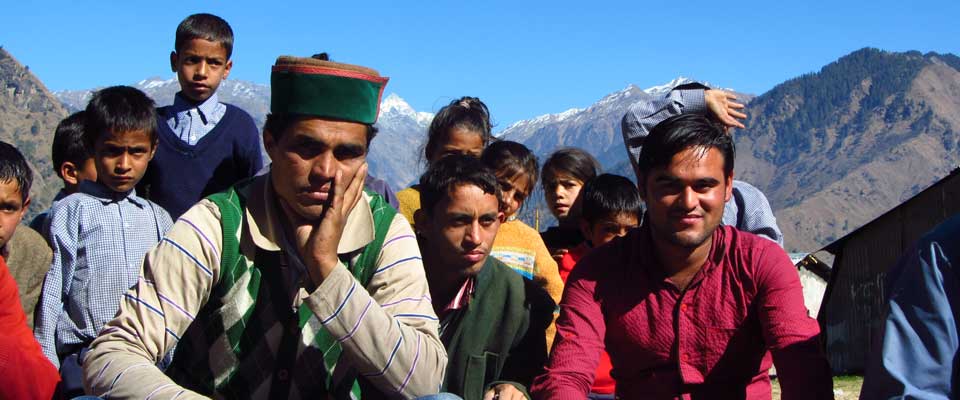
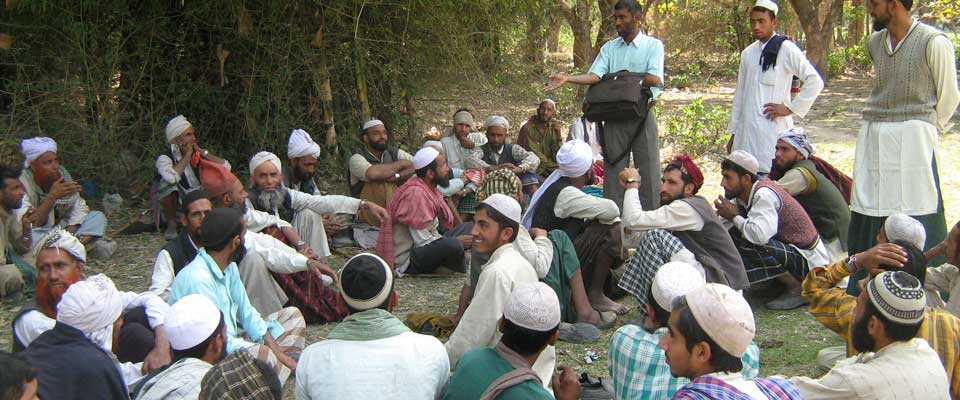
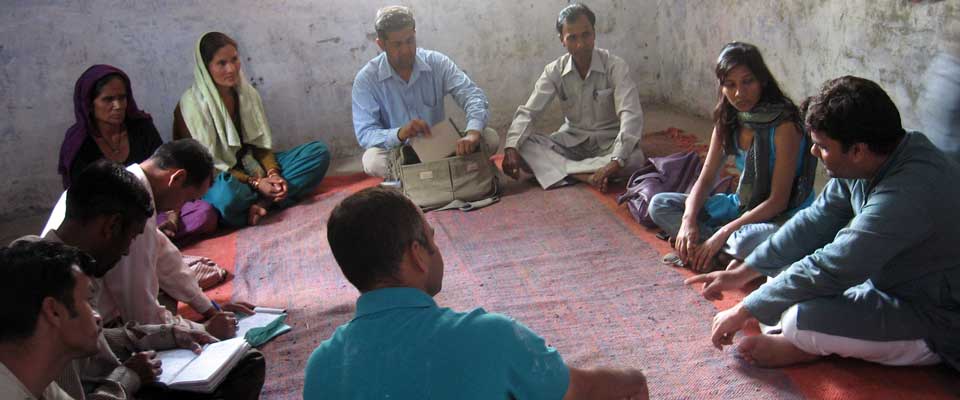
SOPHIA's methodology rests on social mobilisation and rights-based advocacy that places Van Gujjar voices at the centre of decision-making. Through village meetings, women's collectives, and youth groups, the organisation cultivates leadership from within the community rather than imposing external agendas. Partnerships with sympathetic government departments, academic researchers, and fellow NGOs amplify the technical and legal support available to claimants.
An example of this collaborative spirit can be seen in SOPHIA's community-led advocacy framework, which outlines how grassroots organising is woven together with strategic litigation and policy engagement. Australian supporters who have campaigned alongside Aboriginal communities around the proposed Jabiluka uranium mine or marine park expansions along the Great Barrier Reef will recognise the value of sustained, multi-level organising.
Critical challenges facing the grazing rights campaign
- Procedural delays in processing individual and community forest rights claims under the 2006 Act.
- Resistance from forest departments concerned about perceived conflicts with wildlife protection mandates.
- Erosion of grazing grounds due to invasive species, river diversion projects, and infrastructure development.
- Limited documentation of customary tenure among elderly Van Gujjar community members.
- Pressure from tourism and commercial interests seeking exclusive access to protected landscapes.
- Climate variability altering traditional migration routes and pasture availability.
Practical ways Australians can engage
- Support SOPHIA's work through donations that fund legal aid and documentation efforts for Van Gujjar claimants.
- Share information about the campaign through social media platforms popular in Sydney, Melbourne, and Perth networks.
- Encourage Australian universities and research institutions to collaborate on comparative studies of pastoral rights.
- Write to Australian parliamentarians who engage with Indo-Pacific conservation diplomacy.
- Promote awareness within Australian dairy and pastoral industry associations about parallels in their own regulatory environment.
- Explore volunteer opportunities with SOPHIA during visits to northern India or through remote research partnerships.
The Van Gujjar community has lived in harmony with the Himalayan forests for centuries, and their grazing traditions hold valuable lessons for conservation practice worldwide. By standing alongside SOPHIA in its campaign for recognition within wildlife sanctuaries, supporters can help ensure that the rights of indigenous pastoralists are respected as an essential element of ecological stewardship. Visit SOPHIA's website to learn more about their projects, explore the photo archive documenting Van Gujjar life, or contribute to their ongoing advocacy work.