




Van Gujjar Voices on Wildlife Tourism and Conservation Fees
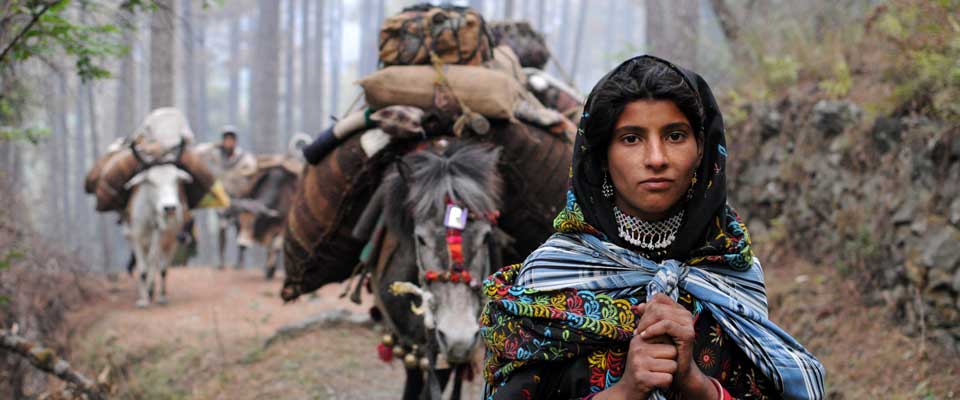
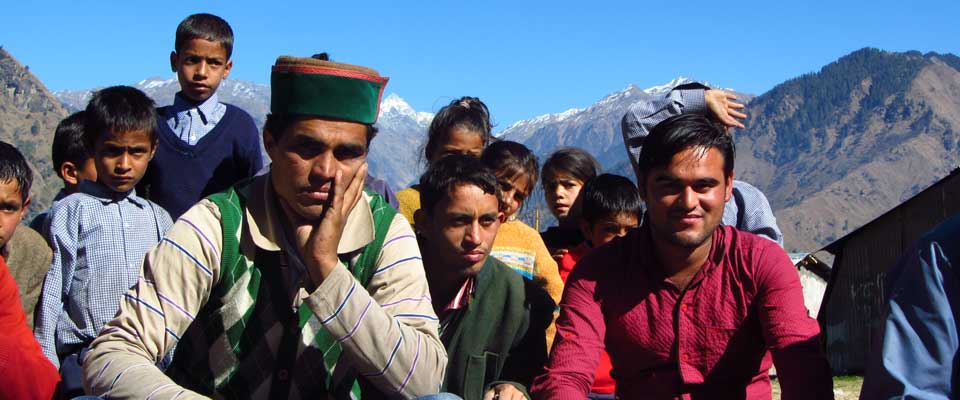
For most of the year the Van Gujjar move quietly with their buffalo herds along forested ridges linking Uttarakhand, Himachal Pradesh, and the upper districts of Uttar Pradesh. Their seasonal camps, milk sales, and winter returns to lower homes shape the rhythm of the year. SOPHIA, an Indian NGO that has worked alongside these communities for two decades, has documented both the resilience and the legal precarity of pastoral life in this belt.
The same community now sits at the centre of a larger question: who profits when tourists pay to see the wildlife sharing their grazing grounds? Similar debates unfold in Tasmania's Aboriginal land-return agreements and around Indigenous Protected Areas near Sydney and Melbourne. Listening closely to Van Gujjar families reveals what is often missing from policy briefs drafted in distant capital offices.
Pastoral roots in the upper catchments
Van Gujjar households of six to ten members organise their days around buffalo that are milked, tethered, and walked to fresh pasture. The summer migration lifts families above 2,500 metres, where alpine grasses fatten the herd before winter snow drives them lower. Winter camps near cities like Haridwar supply wholesale milk to dairies that increasingly source directly from pastoralists rather than village cooperatives.
That informal land-use pattern began to fracture as protected-area boundaries hardened and wildlife laws were enforced more strictly. Elders interviewed by SOPHIA recall being shifted mid-season as tiger reserves expanded. Legal identity has been a quiet casualty too: many herders struggle for the basic government-issued papers that anchor everything from bank accounts to grazing permits, a challenge laid out in SOPHIA's account of stateless identity papers. The community now negotiates its presence on annual permits rather than through long-standing customary use.
How wildlife tourism has reshaped grazing space
Park visits have grown sharply since the early 2010s, with travellers drawn to Corbett, Rajaji, and newer tiger circuits across historic grazing land. Safari jeeps, forest rest houses, and roadside eateries now occupy clearings that once sheltered herders. Villagers describe the change in concrete terms:
- Reduced grazing windows, with valleys closed during peak tourist season
- New fencing and check posts blocking traditional crossings to water sources
- Higher fodder costs as herds travel further for forage
- Tighter rules around medicinal plants and fuel-wood collection
- More human-animal conflict as elephants retreat into buffer villages
- Pressure on young men to take tourism jobs that pay less than herding
Each change forces a calculation. A herd that once grazed two kilometres from a milking centre now walks twelve.
What a conservation fee actually pays for
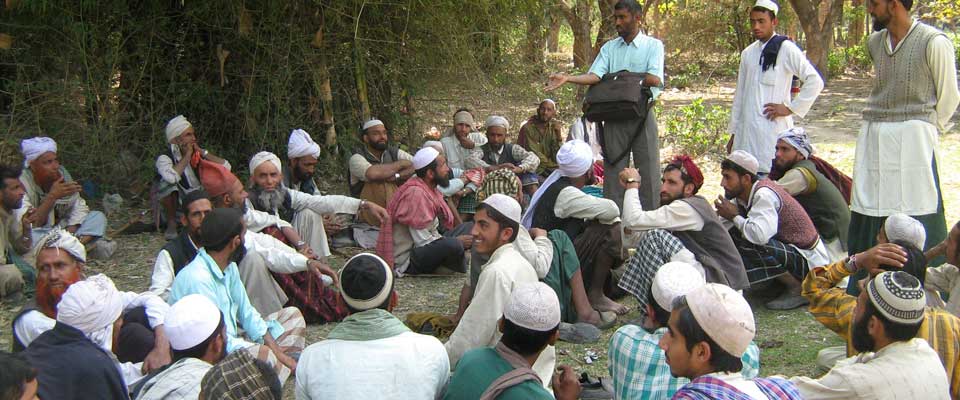
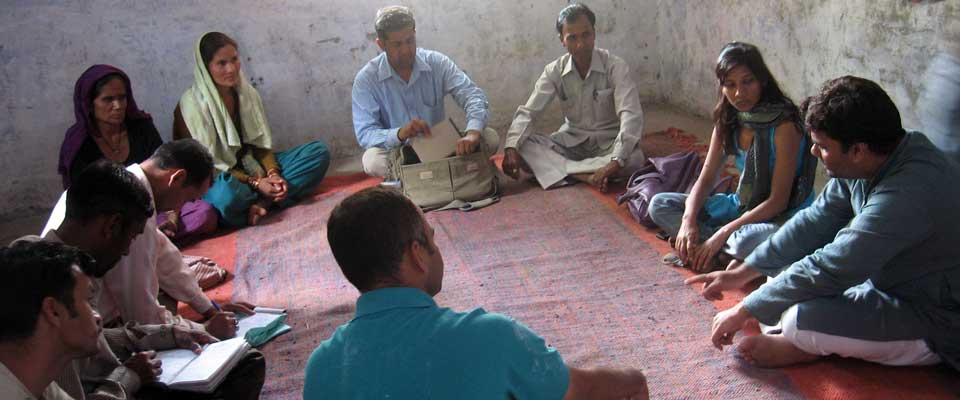
Entrance tickets to Indian protected areas are modest compared with Kakadu's day rate or Tasmania's park fees, yet the totals add up across millions of arrivals. According to elders interviewed by SOPHIA, the revenue flows to state forest departments, tourism boards, and a long chain of contractors. Village councils are usually consulted only after plans are drafted. When asked where these fees should go, the community proposes specific priorities:
- A fixed percentage returned to gram sabhas bordering the protected area
- Subsidies for upgrading predator-proof cattle enclosures
- Bursaries for Van Gujjar students studying wildlife biology or forestry
- Funding for community-led eco-tourism pilots run by trained herder-guides
- A standing dialogue forum for seasonal grazing concerns
- Faster compensation after verified livestock losses to predators
The position, several elders stress, is partnership rather than exclusion.
A shared language with Aboriginal land stewardship
In Australia, Aboriginal and Torres Strait Islander groups have spent two decades arguing for a greater share of conservation funding through the Indigenous Protected Areas programme and ranger networks from the tropical north to Melbourne's peri-urban bush reserves. The principle — that communities carrying cultural and ecological knowledge should be resourced to care for country — is reshaping how park revenue is distributed. Van Gujjar families have asked whether a similar arrangement could be drafted for Himalayan corridors.
Both groups manage land on the ancestral scale of thousands of hectares, both face legal-recognition struggles, and both encounter conservation finance that largely bypasses them. SOPHIA has begun informal exchanges with peer pastoralist organisations, including a recent conversation with the Carpathian Foundation on cross-border grazing traditions. The aim is a sharper shared policy vocabulary.
A forest credit that has not yet been paid
If a tourism ticket is partly a payment for the beauty of a hillside, the Van Gujjar ask whether that payment should reach the people whose grazing has helped keep those hillsides open. They are not asking for charity, only a seat at the table where corridor plans, safari quotas, and entrance fees are decided — and the legal identity that makes such participation possible in the first place.
Many elders frame it as a forest credit owed across generations, accrued by those who kept the pasture open and the corridors alive long before a single safari vehicle arrived. A policy that recognises that credit — through revenue sharing, custom grazing rights, or a permanent seat in park-management meetings — would not undo the dislocation of the past, but it would rebalance what comes next.
SOPHIA invites journalists, researchers, donors, and friends of Himalayan pastoralists to support the organisation's grassroots advocacy and stand with a community whose forest stewardship long predates the park gates.