



Protecting Buffalo Calves in Remote Forest Camps
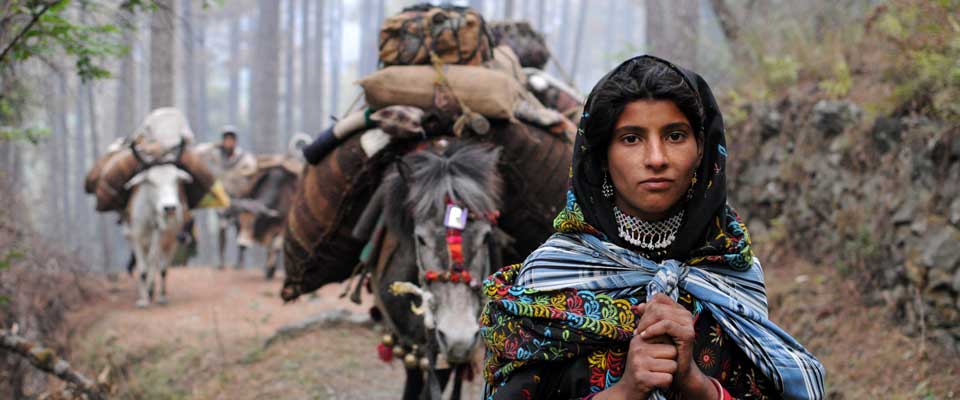
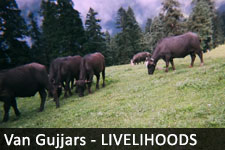
Vaccinating buffalo calves in remote forest camps is a vital part of protecting pastoral livelihoods. For Van Gujjar families moving through Himalayan forests, healthy young animals support household nutrition, milk production and future income. Yet reaching calves at the right age can be difficult when camps are temporary, roads are absent and veterinary services are far away.
The challenge is practical as well as social. A vaccine may need to travel for hours over rough tracks, footpaths or river crossings before it reaches a herd. Families may also be balancing grazing, milking, household work and seasonal movement, leaving little flexibility for a fixed clinic appointment.
For people in Australia, the distances may be familiar from cattle stations in the Northern Territory, Cape York or the Kimberley, where a “long way out” can mean a full day from the nearest service. The setting differs, though: forest camps in Uttarakhand may depend on foot access, community networks and local knowledge rather than station vehicles, formed roads or regular mobile coverage.
Effective immunisation therefore depends on more than a dose in a syringe. It requires careful planning, reliable refrigeration, calm handling, clear communication and respect for community authority. The aim is a vaccination service that fits pastoral life instead of asking families to reorganise it.
Why Young Buffalo Need Timely Protection
Buffalo calves are vulnerable during their early months, when disease can spread quickly through a herd and treatment options may be limited. Vaccination can help reduce the risk of serious infections, protect animal welfare and prevent losses that a household may struggle to absorb.
A missed vaccination can have consequences beyond one animal. When calves become sick, milk availability may fall, costs can rise and families may lose confidence in outside veterinary programmes. Preventive care is especially important where livestock are central to food security and household earnings.
Distance, Seasons and Forest Access
Remote camps often shift with grazing conditions, weather and forest access rules. A team that arrives a week late may find that families have moved, while heavy rain, swollen streams or damaged tracks can make a planned visit impossible. Seasonal calendars must be developed with pastoralists rather than imposed from an office.
Australian readers may recognise the planning pressures seen during the Top End wet season, when roads can close and station access changes overnight. In Himalayan forests, the barriers may involve steep paths, dense vegetation and protected landscapes. A useful field plan includes alternative routes, contact points and dates that reflect actual movement patterns.
Keeping Vaccines Safe in the Field
Many animal vaccines must remain within a controlled temperature range from storage to administration. In a forest camp, this means managing ice packs, insulated carriers, shade and travel time. A cooler that appears cold may still be unsafe if it has been opened repeatedly or left in direct sun.
Field teams need a simple cold-chain record, spare packing materials and a clear response when temperatures cannot be verified. They also need to check expiry dates, vial condition, dosage instructions and safe disposal of needles. Good records help identify which calves were treated and when follow-up is due.
Building Trust Around Animal Health
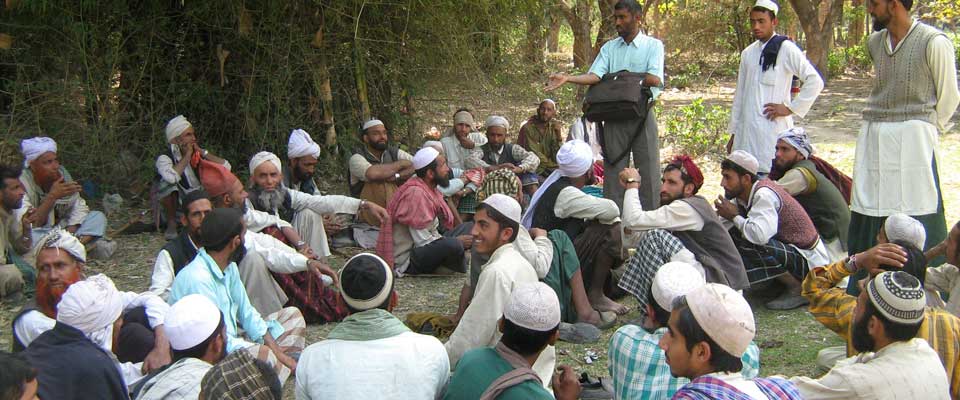
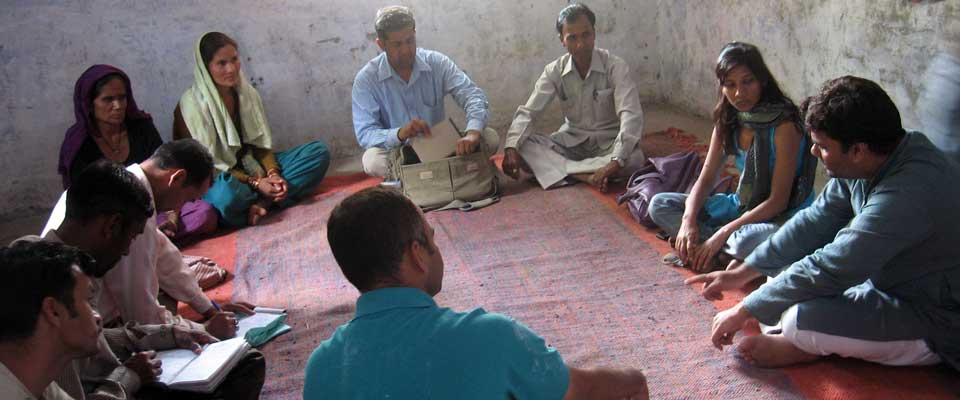
Families may have understandable concerns about unfamiliar injections, side effects, government involvement or the handling of their animals. Communication should use local languages and trusted community members, with time for people to discuss the benefits and risks before treatment begins. The team’s conduct matters as much as its technical knowledge.
Trust grows when workers listen first, explain plainly and return when they say they will. SOPHIA’s guidance on building community trust reflects a wider principle: indigenous communities should help shape the process, rather than being treated as passive recipients of a service.
Handling Calves Safely and Respectfully
Buffalo calves can be strong, frightened and difficult to restrain in unfamiliar surroundings. Rushing the process can injure animals or handlers and may make families less willing to participate in future campaigns. Quiet movement, suitable ropes, experienced animal handlers and a shaded working area reduce stress.
Community members often know which calves are calm, which mothers are protective and where animals can be gathered safely. Their practical knowledge should guide the order of work. Vaccination teams can also use the visit to share advice on nutrition, hygiene, early signs of illness and when to seek veterinary assistance.
Practical Priorities for Field Teams
A reliable programme is built through preparation and follow-through. Before travelling, teams should confirm the camp location, expected herd size, vaccine requirements, transport conditions and community contact. After the visit, records and referrals should be returned in a form families can use.
Key priorities include:
- Map seasonal camp movements with pastoral households and local leaders.
- Carry validated cold boxes, temperature monitors and enough contingency ice.
- Schedule visits around grazing, milking and migration routines.
- Explain the vaccine, possible reactions and aftercare in accessible language.
- Record each calf, dose, date and follow-up requirement accurately.
- Establish a referral pathway for sick or injured animals.
For Australian organisations working with remote Aboriginal and pastoral communities, the lesson is familiar: a programme that looks efficient from a city office may fail in the field. Local staff, community-led scheduling and realistic travel budgets are essential. “She’ll be right” is not a safe cold-chain policy, but a well-prepared team can make reliable care feel straightforward.
Supporting buffalo calf vaccination is part of protecting rights, livelihoods and community resilience. Organisations, veterinary professionals and partners can contribute by strengthening mobile services, funding equipment, supporting local animal-health workers and listening to the people who understand forest pastoralism best. SOPHIA welcomes informed partnerships that turn respectful planning into dependable care for Van Gujjar families and their animals.