




Building Trust With Indigenous Communities As An NGO Worker
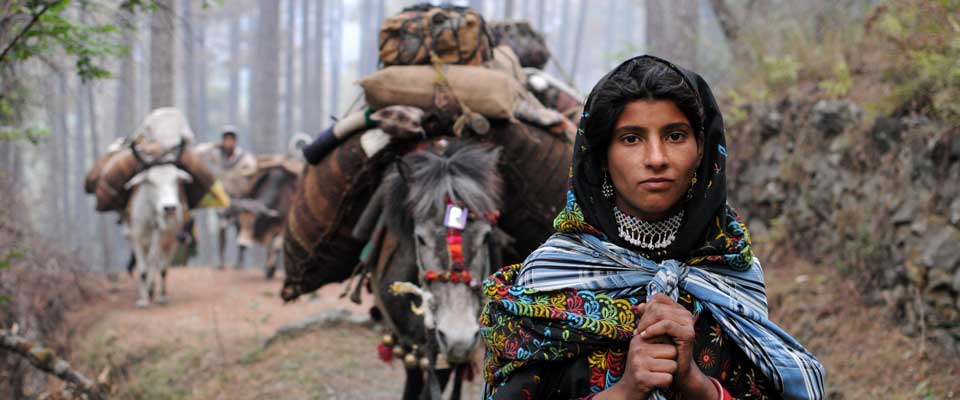
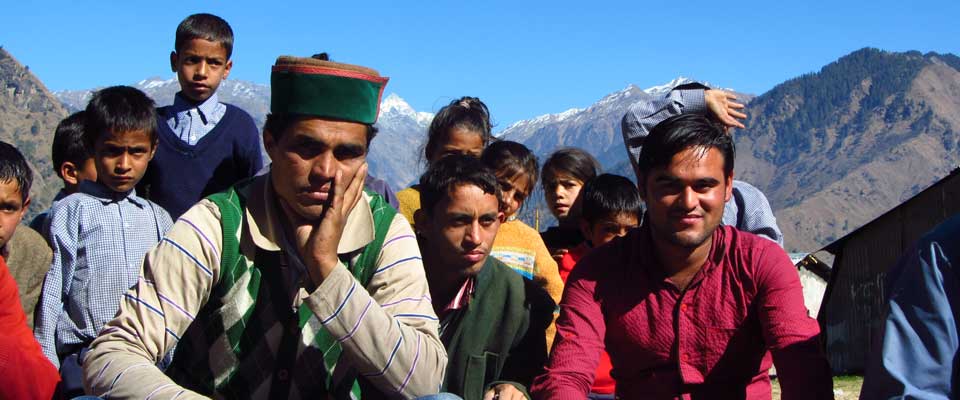
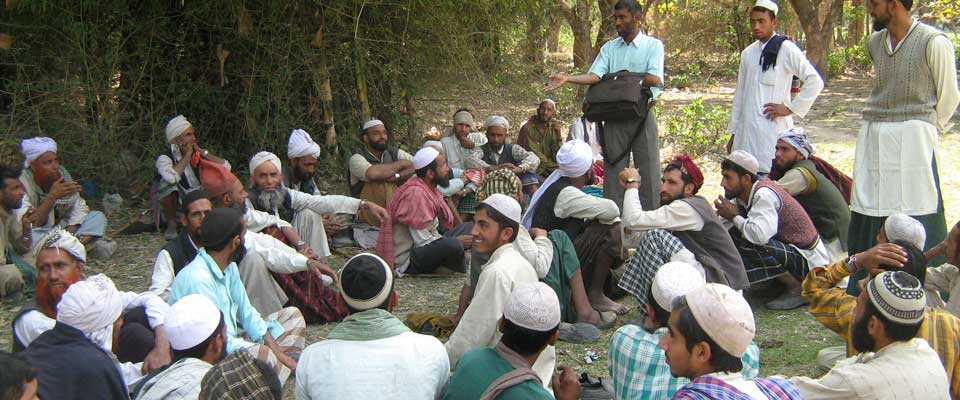
When I first travelled to a Van Gujjar settlement in Uttarakhand, I expected my research notebook and a polite introduction to open doors. They did not. What opened doors was sitting on the ground, accepting a glass of warm buffalo milk, and waiting for the community to decide when the conversation would begin. The same lesson echoes across Arnhem Land and the Kimberley, where non-Aboriginal workers are often expected to follow cultural protocols long before any project talk starts. SOPHIA's work with Himalayan pastoral communities shares this ground with Australian practitioners engaging with Aboriginal and Torres Strait Islander peoples. Trust is never assumed, and it is rarely built quickly.
For NGO workers in Australia, the phrase "trust deficit" is familiar. Government inquiries in Sydney and Darwin have repeatedly found that Aboriginal-led organisations grow tired of being consulted rather than genuinely heard. The mistake is rarely malicious. It usually comes from rushing timelines, importing frameworks, or treating culture as a checkbox in a proposal. Building trust is less about technique and more about how a person shows up, day after day, in a place that is not their own.
Learn Local Protocols Before You Arrive
Australian NGO workers will often hear about Welcome to Country and Acknowledgement of Country, but protocols run much deeper than a meeting opening. In many communities, men and women sit separately, certain names and images are restricted, and Sorry Business changes everything. Before stepping into a community, find out what is appropriate attire, who you should ask first, and whether photos are allowed at all. In the Northern Territory, visiting during the wet season without clearance is a quick way to be asked not to return.
In the Indian Himalayan context where SOPHIA works, similar sensitivities apply. Van Gujjar households observe specific customs around buffalo, milk, and forest visits, and a stranger who ignores them risks being politely avoided. Reading, asking quietly, and accepting correction without defensiveness are the foundations. Showing that you have done your homework is itself a sign of respect.
Listen More Than You Speak
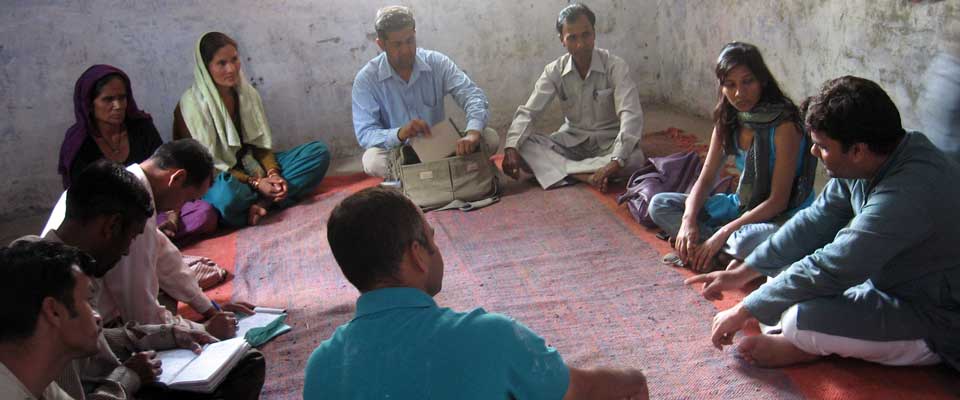
Trust begins when people feel their words have weight. Rather than arriving with a list of survey questions, spend the first visits simply being present. Take notes, yes, but on what matters to the community, not only on what fits your logframe. In Perth, Aboriginal community elders often talk about two-way learning, a process where the outside worker is also willing to be taught.
Active listening is not passive. It means summarising what you heard back to the person, following up on small details, and being honest when you do not understand. It also means tolerating silence. A long pause in a conversation is not emptiness. It is often where the real answer is forming.
Build Relationships, Not Just Projects
Short-term funding cycles push NGOs toward transactional relationships, yet communities remember who stayed after the grant ended. In Australia, programs that quietly outlast their contracts, like local language revitalisation in the APY Lands, almost always start with friendships that had nothing to do with deliverables. Take tea, attend community events, learn a few words in the local language, and remember birthdays.
Some habits that help relationships last:
- Turn up when you said you would, even if nothing "productive" happens
- Remember names, including those of children and elders
- Share meals whenever you can, rather than rushing off after meetings
- Follow through on small promises before asking for bigger ones
Trust is built in the margins of the project, not at the workshop itself.
Recognise Community-Led Decision Making
The phrase "nothing about us without us" is no longer a slogan. It is an operating requirement for any credible Australian NGO. Aboriginal Community Controlled Organisations in places like Redfern and Alice Springs have led their own services for decades, and external groups are increasingly expected to play a supporting role. Decisions about priorities, design, and evaluation should sit with the community, even when funders pressure you for quick answers.
Ways to centre community authority in everyday work:
- Let the community define the problem before you offer solutions
- Pay community members for their expertise rather than expecting free labour
- Translate reports and consent forms into the local language first
- Defer to community timelines even when funders want speed
- Acknowledge openly when an external idea simply does not fit
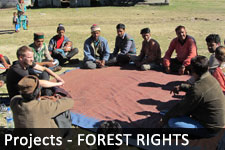
In SOPHIA's experience with Van Gujjar hamlets, this means respecting the slow pace of the community's own gram sabha decisions rather than imposing deadlines. When a community says it needs time, that time is part of the work, not a delay in it.
Be Honest About Timeframes and Funding
Few things damage trust faster than promises that evaporate. Be upfront about what your funding allows, how long the project will run, and what will happen if it does not continue. Communities have been burnt too often by NGOs that arrive with grand plans and disappear when reporting periods end. Transparency, even when uncomfortable, protects everyone.
Australian charities registered with the ACNC are expected to demonstrate accountability, and that same standard should apply to how we communicate with communities. If a deliverable cannot be met, say so early. If an organisation cannot continue past June, plan the handover together rather than vanishing.
Reflect on Your Own Position
Every outside worker carries privilege, history, and assumptions. Naming them openly is uncomfortable, but it is the only way to avoid repeating the patterns of past harm. Ask yourself who benefits from your presence, whose voice is amplified, and whether you would still be welcome if the funding stopped.
Reflection should be ongoing, not a one-off training module. Journaling, peer supervision, and yarning circles with Aboriginal colleagues are common practices among Australian NGO workers. In the SOPHIA context, regular team debriefs after every village visit help catch the small missteps before they become big problems.
Some questions worth revisiting through the year:
- Whose voices shaped this decision and whose were missing
- Where does power sit in the room and is it visible to everyone
- Would this plan still feel right if the funding disappeared tomorrow
- What would I do differently if I had to defend it to the community itself
SOPHIA's team in Uttarakhand welcomes partner organisations, volunteers, and supporters across Australia and beyond. If you are an NGO worker, donor, or community advocate and would like to exchange lessons from your own context, reach out through our contact page to start a conversation. Sign up to our quarterly updates to keep learning with us as we document what respectful, slow, community-led work really looks like in practice.