



SOPHIA Bridges Communication Between Herders and Forest Officials
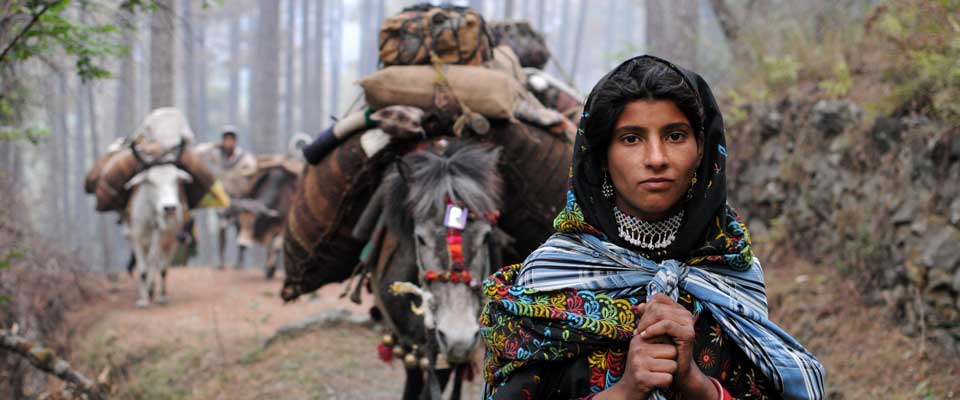
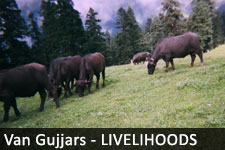
Across the high-altitude meadows of Uttarakhand, Himachal Pradesh, and Uttar Pradesh, Van Gujjar pastoralists have grazed buffalo for generations. Their seasonal migrations, known as transhumance, depend on access to forest grazing lands that are tightly regulated by the Forest Department. When misunderstandings arise over grazing permits, seasonal movement, or conservation rules, the consequences fall hardest on families who have little formal recourse. SOPHIA, an Indian non-governmental organisation, has spent decades acting as a translator of sorts, ensuring that herders and government authorities can speak in ways that produce lasting outcomes rather than conflict.
The work carries echoes of experiences closer to home for supporters in Sydney or Melbourne, where Indigenous land management partnerships have reshaped how national park agencies engage with traditional owners. Australian readers familiar with the challenges of joint management plans on Country will recognise the importance of respectful dialogue and shared protocols. SOPHIA's model draws on similar values, adapted to the unique cultural and ecological context of the western Himalayas.
Understanding the Communication Gap
Herders and forest officers often operate from very different starting points. The Van Gujjar rely on oral tradition and customary law passed down through families, while forest officials work through written applications, official channels, and centralised reporting tools. Government forms are written in Hindi or English, languages many older herders do not use fluently. Without a trusted intermediary, even a simple request for a transit pass can become a bureaucratic obstacle that disrupts an entire migration season.
Erratic monsoons now push herders to seek grazing in forests earlier in the year, sometimes before their permits are processed. Forest officers, tasked with conservation targets, may view unscheduled grazing as encroachment. Without shared understanding, both sides interpret the other's actions as obstruction rather than adaptation.
Translating Customary Practices into Policy Language
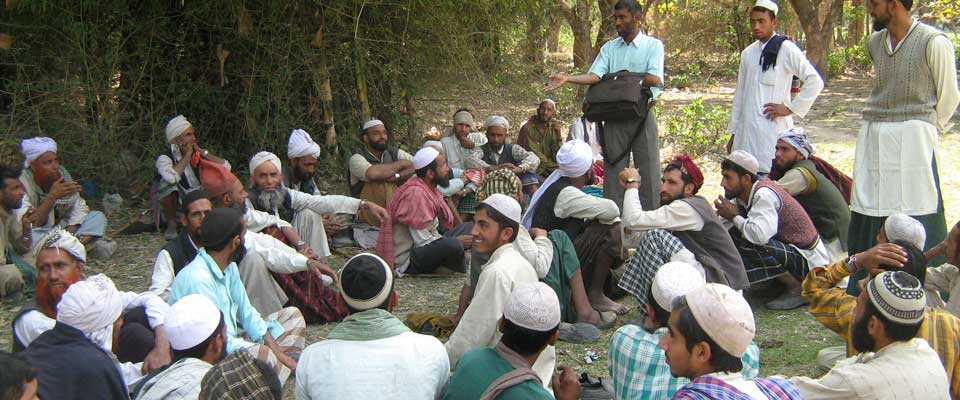
SOPHIA's field teams include community members who speak the local dialects and understand the bureaucratic environment equally well. They sit with herders to map out seasonal movement calendars and then work with officials to align those patterns with conservation windows. This kind of mediation turns competing priorities into a workable calendar.
One important resource for understanding the lived experience behind these negotiations is found in stories-of-resilience-van-gujjar-women-in-the-face-of-adversity, which documents how women in particular navigate these encounters. The piece shows that communication is rarely just about words; it is also about recognising whose voices are heard in formal meetings and whose knowledge is treated as legitimate.
Community Empowerment Through Social Mobilisation
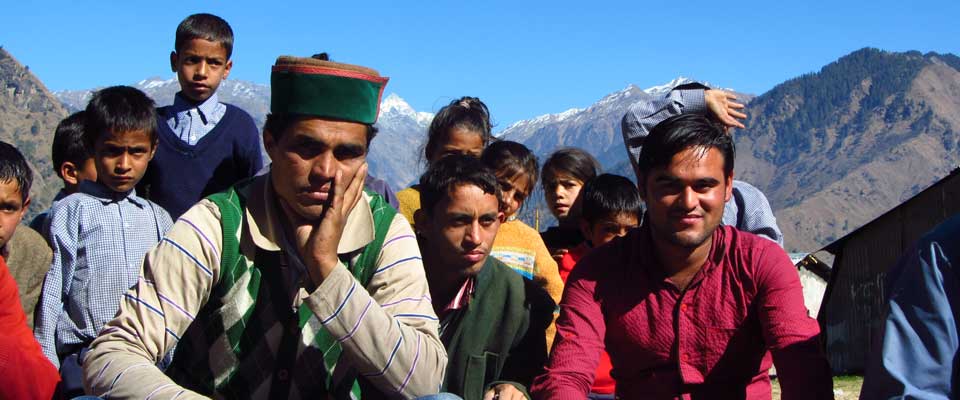
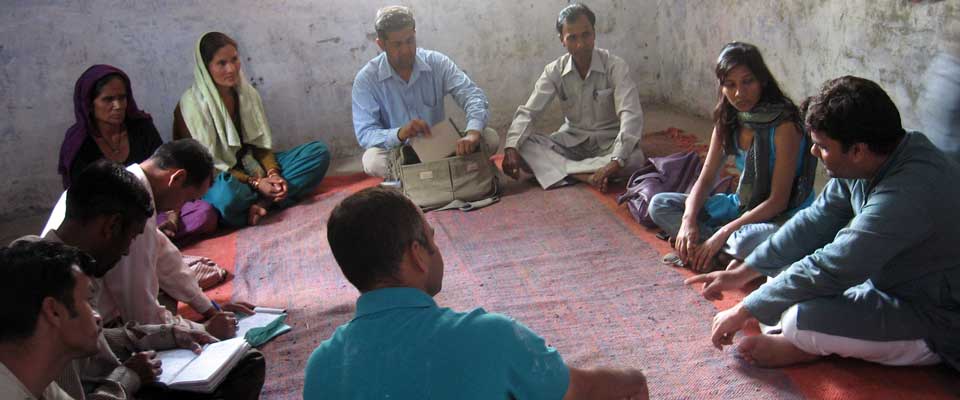
SOPHIA understands that herders cannot depend on a single advocate indefinitely. The organisation invests in community mobilisation, helping villages form representative committees that can speak directly with officials. These committees undergo training in rights-based approaches, allowing them to negotiate grazing rights, domicile certificates, and forest access claims with confidence.
Women play a central role in these committees, often handling documentation and follow-up correspondence while men tend to the buffalo. This division of labour has practical parallels in remote cattle stations across the Northern Territory, where station managers rely on office staff to keep authorities informed of movements and muster schedules. Recognising these contributions demonstrates institutional acknowledgement of the full range of skills within a pastoral household.
Government Engagement and Advocacy
Beyond village-level mediation, SOPHIA engages with state and national policy forums. Staff contribute to consultations on forest conservation policies, grazing regulations, and Indigenous rights frameworks. By presenting community perspectives alongside technical data, the organisation helps shift conversations from enforcement toward coexistence.
This advocacy work also extends to partnerships with other non-governmental organisations. Coalitions amplify the herders' concerns in venues where a single community voice might be overlooked. The approach mirrors the advocacy networks formed by Australian agricultural bodies in Canberra, where peak councils consolidate the voices of cattlemen and woolgrowers before parliamentary inquiries.
Sustaining Livelihoods and Buffalo Husbandry
Communication is only useful when it produces tangible improvements in herder livelihoods. SOPHIA supports buffalo husbandry through veterinary training, breed improvement, and access to fodder. Each intervention strengthens herder viability, offering families long-term security. Milk marketing initiatives connect small producers to urban dairy markets, turning traditional pastoral products into reliable income streams.
These economic pillars reduce the pressure on forests by giving herders alternatives to expansion. A cooperative market where milk is sold collectively often returns better margins and brings herders into contact with processors who depend on consistent supply. Building these commercial networks ensures that successful dialogue with forest officials translates into better outcomes back home.
Building Lasting Partnerships
SOPHIA's model is built on partnership rather than charity. The organisation works alongside communities, recognising that herders are not beneficiaries but partners in conservation. Each partnership respects the autonomy of village decision-makers and treats Indigenous knowledge as expert input rather than folklore.
For supporters abroad, whether in Brisbane, Perth, or Adelaide, the lessons from the Himalayas speak to universal questions about how societies listen to traditional land managers. SOPHIA demonstrates that communication, when grounded in respect and practicality, can transform relationships that once appeared stuck in conflict.
Ways SOPHIA Supports Dialogue Between Herders and Officials
- Training community representatives in rights-based negotiation
- Providing translation between local dialects and bureaucratic language
- Documenting customary grazing calendars for official recognition
- Mediating seasonal conflicts before they escalate
- Building coalitions with other advocacy organisations
- Supporting women-led committees as primary communicators
Communication Barriers Addressed Through Field Work
- Mismatched languages and unfamiliar terminology
- Unwritten customary practices misunderstood by officials
- Delayed processing of transit and domicile paperwork
- Conflicting timelines between migration and conservation windows
- Limited recognition of oral agreements in formal settings
- Underrepresentation of women in official forums
SOPHIA welcomes individuals and organisations who share an interest in Indigenous rights, sustainable pastoralism, and equitable conservation to explore partnership opportunities. Visitors to the website can learn more about ongoing projects, view the photo archive, and discover how to contribute to a future where herders and forest officials work together rather than against one another.