





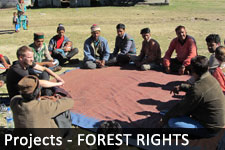

SOPHIA’s grievance redressal for forest rights claims
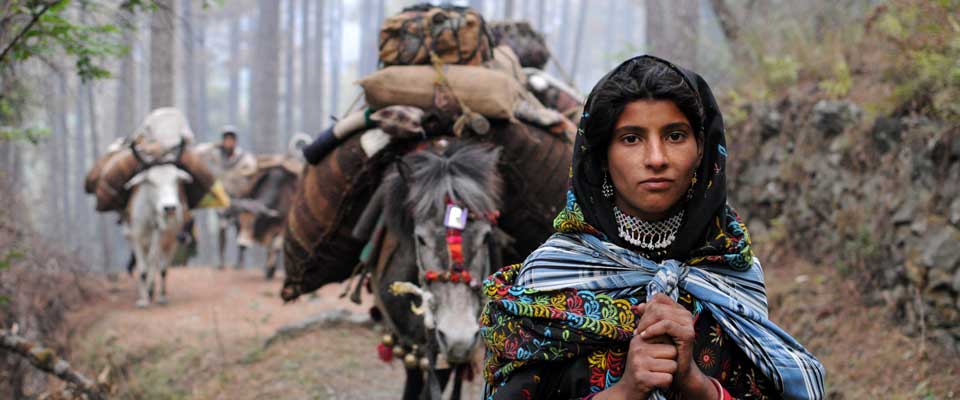
SOPHIA’s grievance redressal mechanism for forest rights claims supports Van Gujjar and Himalayan village communities in Uttarakhand, Himachal Pradesh and Uttar Pradesh. It links community mobilisation to legal procedures, helping residents document rights, join hearings and pursue decisions while protecting pastoral livelihoods.
For Australian readers, fair hearings, evidence and appeal rights are familiar concepts. The systems differ: Indian forest rights are statutory community entitlements, not native title. Comparison can reveal useful principles while respecting distinct laws and traditions.
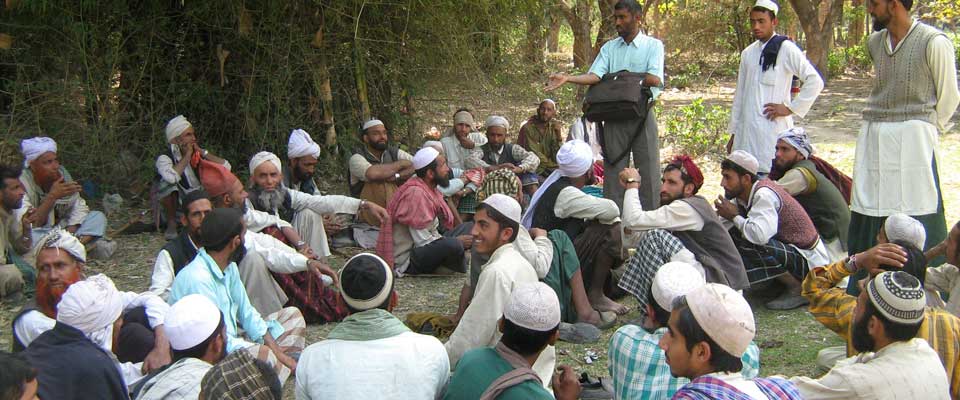
From village assembly to formal claim
India’s Forest Rights Act, 2006 provides routes to forest and community forest resources for eligible Scheduled Tribes and Other Traditional Forest Dwellers. Claims may cover habitation, customary use, grazing, minor forest produce and cultivated trees. A Gram Sabha, the village assembly, records claims and forwards maps to the district Forest Rights Committee.
The committee examines the record, seeks further evidence, conducts hearings and sends recommendations to the state or Union Territory administration. Land records can lag behind actual use. Oral histories, seasonal maps, revenue documents and testimony about livestock routes can help explain occupancy and dependence on forests.
SOPHIA helps communities organise evidence, understand notices and connect with legal support. It does not replace statutory authorities. Its broader education and culture work reinforces the same principle: community knowledge and confidence are essential when families engage public institutions.
Evidence, hearings and reasoned decisions
A grievance becomes credible when facts can be tested. Participants should know what is claimed, where it lies, which authority will consider it and what evidence is missing. Plain-language notices, interpreters and transport support make participation meaningful, especially for people who cannot navigate official files easily.
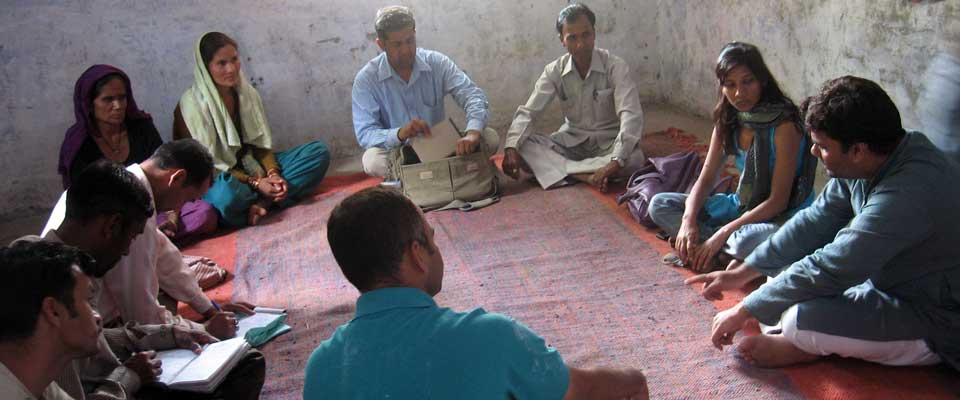
Forest-dependent communities may face long distances, seasonal movement and several authorities. SOPHIA’s facilitation can include maintaining a claim register, recording meeting outcomes, helping applicants prepare documents and following up with officials. This continuity stops a family starting again after a missed call or transferred file.
A sound decision connects legal tests with local facts. If a claim is deferred or refused, the reasons and appeal route should be clear. Communities also need a safe way to report new information. Feedback turns an individual case into village learning without exposing personal details.
Appeals, oversight and protection from intimidation
Under the Act, an eligible person or community can challenge an adverse Forest Rights Committee order through the state-level grievance redressal authority, normally within 60 days. Legal advice helps an appeal identify the decision, error or procedural failure and present supporting material. Judicial review may also be available where appropriate.
The process must protect people who speak up. Section 8 restricts eviction of eligible claimants before their rights are adjudicated. Where threats, false complaints or harassment occur, communities need routes to district officials, police, lawyers and courts, plus witnesses who can document events.
SOPHIA can strengthen protection through public-interest advocacy, partner coordination and careful government engagement. Tracking deadlines and publishing accurate outcomes supports accountability. The aim is a predictable process, not a dispute in which the more powerful participant simply waits longer.
What Australian experience can teach
In Canberra, Commonwealth agencies and parliamentary committees set national expectations, while the Native Title Tribunal operates nationally through regional registries and hearings. Australian applicants may encounter state and territory laws alongside Commonwealth law, so forum and remedy can vary. This layered system shows why every body’s role must be explained.
From Arnhem Land to Central Australia, community meetings may involve English, Aboriginal languages, interpreters and extended discussion about Country, kinship and obligations. People explain connections to land through stories and law as well as fences and titles. “Being heard” and “a fair process” are familiar expectations in Australian public debate.
Land Councils often negotiate Indigenous Land Use Agreements with pastoral, mining and infrastructure interests. These can coexist with native title rights while regulating activities. The experience suggests the value of defined roles, documented consent and clear boundaries, without assuming one legal model fits another country.
Australia’s dairy market offers a commercial parallel. Processors buy milk, supermarkets and exporters compete strongly, and farmers often rely on contracts, co-operatives and traceability. “Aussie Made” signals Australian production but not community ownership or a fair share. SOPHIA’s milk marketing work can draw on this focus on transparent value chains and community benefit.
Support community-led forest rights accountability
Supporters can strengthen the links between advocacy, legal help and accountable purchasing while keeping community leadership central:
- Ask processors and retailers for transparent sourcing and fair benefit sharing.
- Support community-owned food businesses with fair pricing and marketing help.
- Fund legal advice, interpreters, transport and village documentation.
- Share verified SOPHIA stories through Australian community networks.
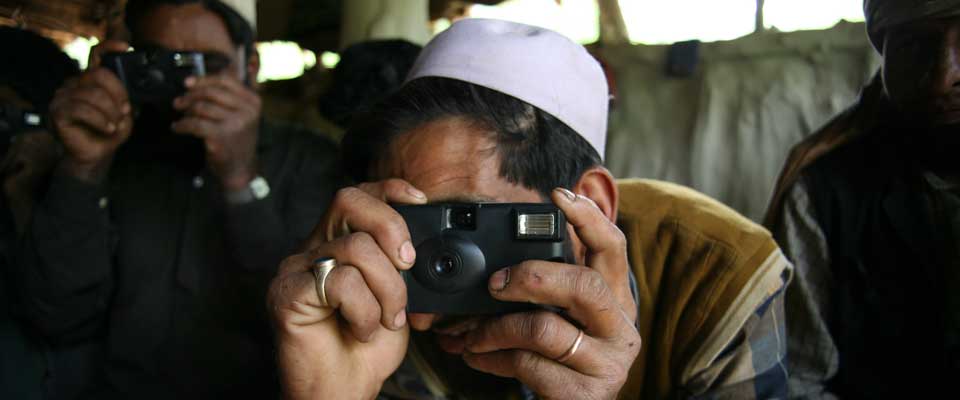
- Respect consent when using photographs, names or personal claims.
Institutions and funders can direct resources toward accountable, long-term support:
- Fund multi-year work that includes hearing follow-up and appeals.
- Require accessible reporting without revealing claimant identities.
- Support community-led monitoring of decisions and outcomes.
- Link food partnerships to transparent pricing and benefit agreements.
- Keep SOPHIA and village partners in control of priorities.
Each step can strengthen the chain from a village claim to a fair hearing and durable livelihood. This matters when an adverse decision affects a family home, buffalo grazing routes or forest-produce income. Evidence, participation and appeal should reinforce one another.
Visit SOPHIA’s website to explore its projects, media archive and ways to get involved, then offer support for community-identified priorities. Australian organisations can provide resources, market access and technical help while respecting community decisions. Back a grievance process that gives forest-dependent families a genuine chance to be heard, present evidence and secure lasting rights.