



SOPHIA’s work with children: education and cultural preservation
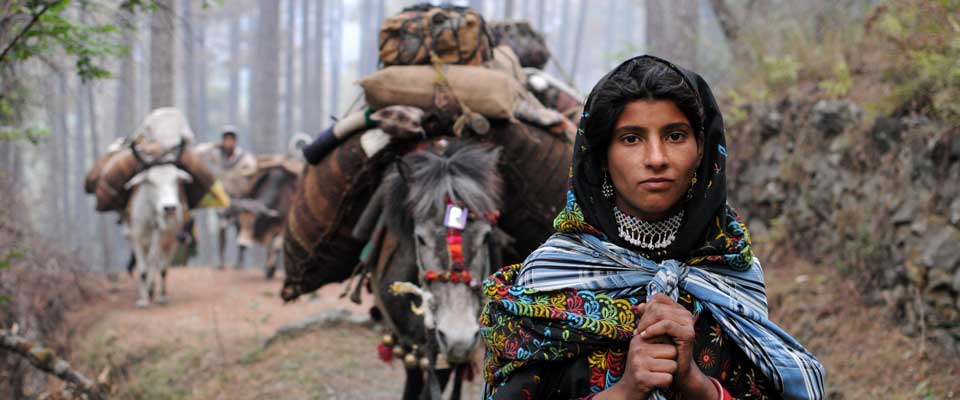
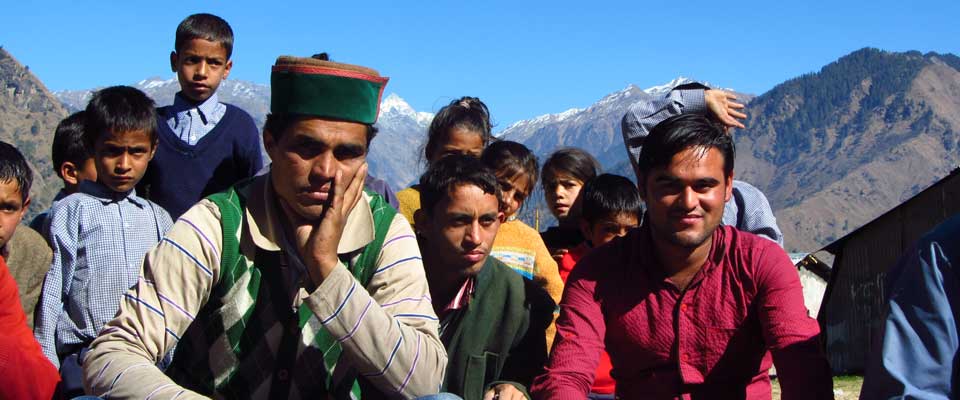
For children in Van Gujjar and Himalayan village communities, education is closely connected to land, family, language, and livelihood. Learning becomes more meaningful when it reflects the places where children live and the knowledge passed through generations.
SOPHIA works with communities in Uttarakhand, Himachal Pradesh, and Uttar Pradesh to support rights, dignity, and sustainable pastoral life. Its work with children fits within this wider approach: strengthening access to learning while valuing indigenous identity, local traditions, and community participation.
Education and cultural preservation are therefore linked priorities. Children need opportunities to develop literacy and confidence without being pressured to abandon their language, history, or relationship with forests and grazing landscapes.
Learning rooted in community life
Many children in pastoral and remote village communities grow up with practical knowledge that rarely appears in formal textbooks. They may understand seasonal movement, buffalo care, fodder collection, local ecology, weather patterns, and household responsibilities from an early age. These experiences are valuable foundations for further learning.
A community-centred education approach can connect classroom subjects with everyday life. Mathematics may be related to milk marketing or household budgeting, while environmental studies can draw on forests, water sources, grazing routes, and biodiversity. Such connections help children see education as useful, familiar, and relevant.
Keeping language and memory alive
Language carries family histories, place names, songs, oral narratives, and ways of understanding the natural world. When children lose access to their community language, they may also lose a direct connection with elders and cultural memory.
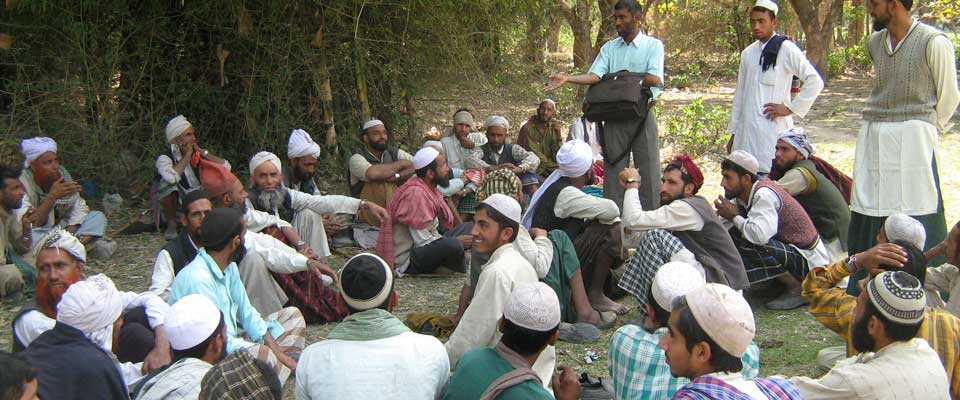
SOPHIA’s rights-based work creates space for families and community leaders to help shape conversations about children’s learning. Storytelling, local history, folk practices, and intergenerational activities can support self-esteem while preserving knowledge that is often overlooked by mainstream systems.
Cultural education does not mean isolating children from wider opportunities. It means giving them a strong foundation from which they can engage with formal education, public institutions, and new skills without treating their heritage as a disadvantage.
Connecting education with sustainable livelihoods
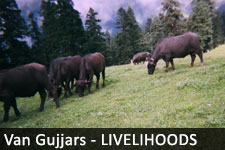
Children also benefit when learning reflects the economic realities of their families. Buffalo husbandry, milk production, pastoral mobility, and forest-based livelihoods all require observation, planning, cooperation, and care. Recognising these skills can help young people understand the value of their community’s work.
Environmental education can extend this perspective. Discussions about clean energy, waste, water, and soil conservation can be linked to household practices. For example, families exploring community-scale biogas can help children connect science lessons with responsible use of buffalo waste and local resources.
These learning experiences encourage children to imagine futures that include both education and dignified livelihoods. They can also support informed decisions about migration, employment, environmental stewardship, and community leadership.
| Learning focus | Connection for children | Wider benefit |
|---|---|---|
| Literacy and numeracy | Stories, household records, milk sales, and daily planning | Greater confidence in school and public services |
| Local ecology | Forests, water, grazing areas, and seasonal change | Stronger environmental awareness |
| Cultural knowledge | Language, oral history, songs, and customary practices | Continuity between generations |
| Livelihood skills | Buffalo care, dairy work, and sustainable resource use | Respect for pastoral knowledge |
| Rights awareness | Domicile, forest, education, and identity-related rights | More informed participation in community decisions |
Addressing barriers to opportunity
Children in remote settlements may face distance from schools, limited transport, financial pressure, language barriers, or interruptions caused by seasonal movement. Girls can face additional restrictions on mobility, safety, and time because of unpaid household responsibilities.
A sensitive education programme must recognise these realities rather than treating attendance as the only measure of success. Community discussions, family engagement, flexible support, and coordination with public authorities can help identify practical solutions.
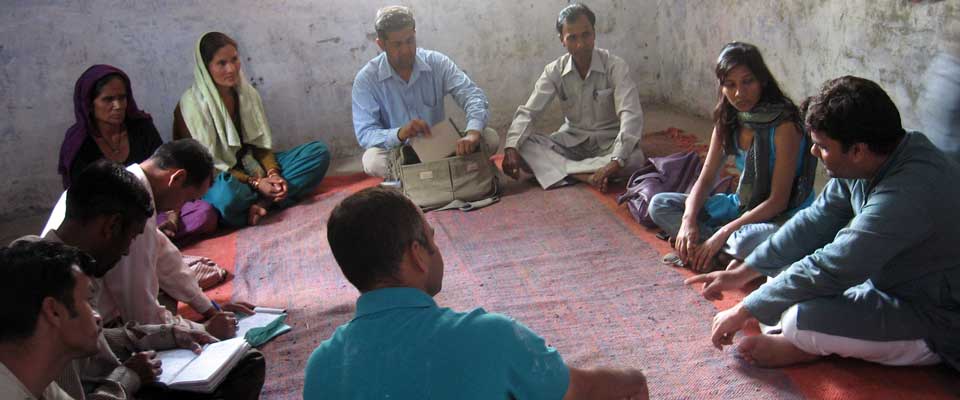
SOPHIA’s experience in social mobilisation and government engagement provides an important foundation for this work. When parents, elders, teachers, local representatives, and children are included in planning, educational priorities are more likely to reflect real needs.
Building confidence through participation
Children should be seen as participants in community life, not simply as recipients of services. Activities that encourage them to speak, document local knowledge, create drawings or stories, and discuss environmental concerns can develop communication and leadership skills.
Participation also helps children understand their rights. Learning about identity documents, access to schooling, public services, and the importance of collective action can make institutions less intimidating. These lessons become especially important for communities whose needs have historically received limited recognition.
Partnerships with schools, families, local organisations, and public bodies can strengthen continuity. Community-based organisations can contribute local understanding, while teachers and government departments can help connect children with formal schemes and educational resources.
Ways to support children and cultural continuity
Supporters can contribute to this work in practical and respectful ways:
- Promote educational activities that include local languages, oral history, and indigenous knowledge.
- Support girls’ education, safe participation, and equal access to learning resources.
- Encourage school materials that reflect pastoral life, Himalayan ecology, and community livelihoods.
- Build partnerships with teachers, families, youth groups, and local institutions.
- Share SOPHIA’s work responsibly to increase awareness of community-led development.
The strongest results come when children can learn without being separated from their identity. Education then becomes a pathway to opportunity, cultural confidence, and informed participation in decisions affecting their families and landscapes.
Support SOPHIA’s community-led work by learning about its projects, sharing its stories, and exploring ways to partner with initiatives that place children, culture, and indigenous rights at the centre of sustainable development.