



Designing A Mobile Veterinary Clinic For Nomadic Herders
A mobile veterinary clinic must follow animals and people through changing landscapes, rather than expecting pastoral families to reach a permanent facility. For nomadic herders, the service needs to combine clinical care, transport planning, trusted communication and practical knowledge of seasonal movement. Learn more about The Challenges Of Veterinary Care For Migrating Herds.
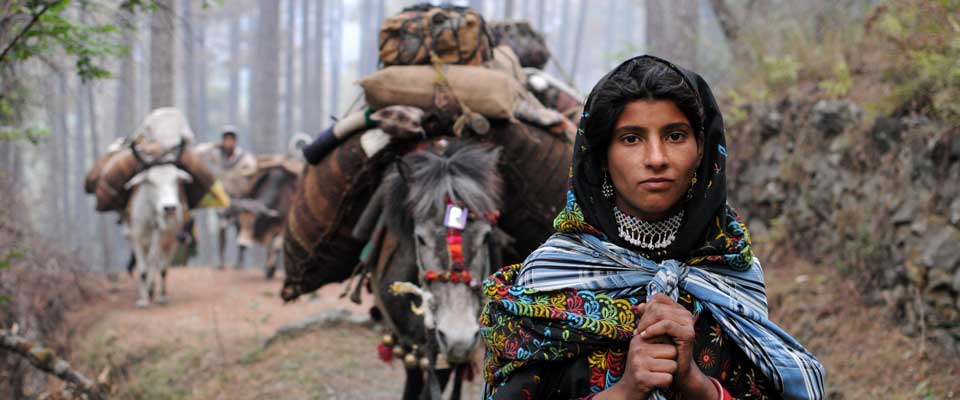
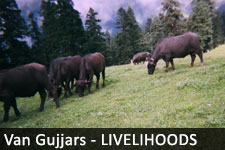
This principle applies across very different settings. In India, communities such as the Van Gujjar may travel through forest and Himalayan routes with buffalo herds. In Australia, a similar service might support cattle stations near Alice Springs, pastoral properties in northern Queensland or remote communities outside Darwin.
The best design is therefore lightweight, repairable and adapted to local law. It should manage urgent treatment while also building prevention, accurate records, husbandry skills and reliable links to government veterinary services.
Define The Service Area
Begin by mapping where herders travel during the year, including grazing areas, water points, forest boundaries, market routes and temporary settlements. Seasonal movement often changes road access, mobile coverage and the availability of animal health workers. A clinic that works in a valley during the dry season may need a different route, vehicle or communications plan during heavy rain.
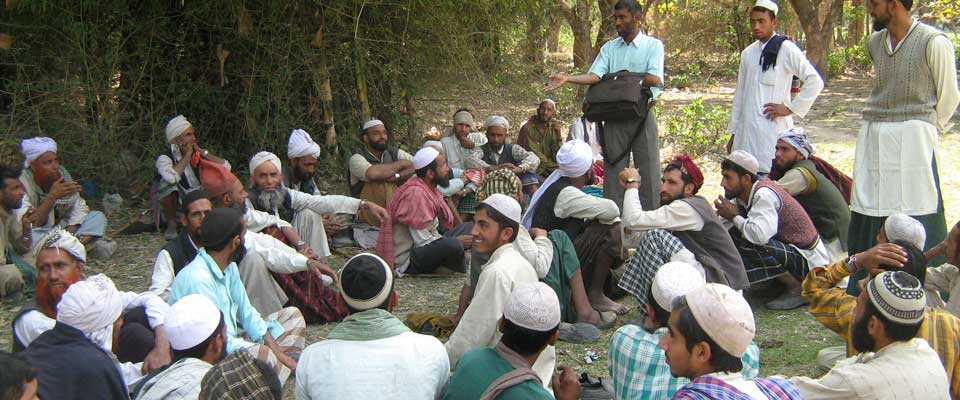
Speak with herder leaders before choosing the vehicle or equipment. Their knowledge can identify difficult crossings, customary stopping places and the hours when animals are easiest to handle. Community mapping also helps prevent missed households and makes the service feel accountable rather than imposed from outside.
Choose A Suitable Vehicle
A four-wheel-drive ute with a lockable canopy may suit a small Australian service, while a larger truck or trailer may be necessary for a multi-herd operation. The vehicle should carry water, shade structures, collapsible yards, restraint equipment, cold storage and a clearly organised treatment cabinet.
Design for dust, vibration and poor roads. Drawers should lock securely, medication containers should be labelled in large print, and frequently used items should be reachable without unloading the entire vehicle. Solar panels, auxiliary batteries and a satellite phone can be valuable in areas where mobile networks are unreliable.
Build A Practical Clinical Kit
The equipment should reflect the most common local conditions rather than an ideal hospital inventory. Core supplies may include thermometers, stethoscopes, syringes, needles, wound-care materials, hoof tools, obstetric equipment, portable scales and basic diagnostic tests. Buffalo, cattle, sheep, goats and working animals may require different restraint and treatment tools.
Cold-chain planning is essential for vaccines and some medicines. Use a temperature-monitored refrigerator or validated cool boxes, and keep a written stock register with expiry dates. Veterinary professionals must also establish protocols for controlled medicines, disposal of sharps and safe handling of antibiotics.
Plan Preventive Herd Health
A mobile clinic creates greater value when it prevents illness instead of responding only to emergencies. Regular visits can include vaccination, parasite control, pregnancy checks, nutrition advice, body-condition scoring and screening for contagious disease. Treatment plans should be explained in the language and practical terms used by each community.
The schedule should follow migration and production cycles. Before a long journey, teams might check lameness, hydration and fitness for travel. Before calving or buffalo birthing periods, they can focus on nutrition, clean delivery areas and early warning signs. Practical education should cover observation, isolation and when to seek urgent help.
Keep Records That Travel
Every herd should have a simple record that remains useful when families move between districts or veterinary providers. Paper registers can be backed up with offline mobile applications, provided the system works without continuous internet access. Records may include owner details, animal identification, vaccination dates, medicines used, pregnancy status and follow-up needs.
Privacy and consent matter, particularly where communities have concerns about official systems or land rights. Use clear permissions, restrict access to sensitive information and explain how data supports animal care. In Australia, operators should align records with state or territory requirements, property identification systems and national livestock traceability arrangements.
Connect The Clinic To Local Systems
A clinic cannot replace referral hospitals, laboratories or government veterinary officers. It should have a clear escalation pathway for outbreaks, surgery, severe injuries and suspected notifiable diseases. In Australia, teams must consider obligations under biosecurity laws, including the Biosecurity Act 2015 and relevant state or territory legislation.
Local market conditions should shape the service as well. Producers selling through livestock exchanges, dairy buyers or community markets need advice that protects animal welfare, milk quality and sale eligibility. For mobile herders in the Himalayas, understanding the challenges of veterinary care for migrating herds can help Australian practitioners compare access barriers without assuming that one model fits every landscape.
Make The Service Community-Owned
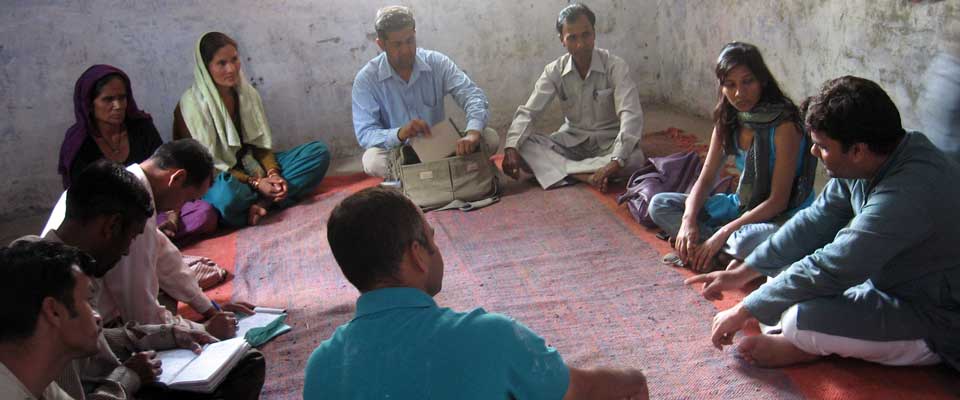
Trust grows when herders help recruit animal health workers, set visit priorities and review outcomes. Partnerships with local councils, Indigenous organisations, universities, livestock groups and non-government organisations can provide training, referral support and funding for fuel or medicines.
The operating budget should include vehicle maintenance, insurance, staff accommodation, refrigeration, communications and compliance costs. A modest fee may be appropriate for some services, while vaccinations, emergency care or support for vulnerable families may require grants or cross-subsidy. Transparent pricing prevents confusion and protects the clinic’s long-term credibility.
Field Recommendations For A Reliable Clinic
A strong design can be tested against a short operational checklist before launch:
- Map seasonal routes, water points and emergency access roads.
- Choose a vehicle that can be repaired locally and secured overnight.
- Stock equipment according to species, climate and common diseases.
- Use temperature monitoring for vaccines and maintain an expiry register.
- Create referral, outbreak reporting and medicine-disposal procedures.
- Record treatments offline and protect owners’ personal information.
- Review the service with herders after each migration cycle.
The clinic should also conduct simulation days before beginning regular visits. Staff can practise loading equipment, setting up a temporary treatment area, restraining animals safely and contacting a referral provider from a remote location. These rehearsals expose practical weaknesses while there is still time to fix them.
A well-designed service is measured by continuity, not by the number of animals treated in a single trip. Reliable follow-up, respectful communication and locally appropriate prevention can improve herd health, household income and confidence in veterinary systems.
SOPHIA’s rights-based community work offers a useful model for connecting animal care with pastoral livelihoods and community empowerment. Organisations, veterinary teams and supporters can contribute by sharing expertise, funding field equipment, building referral partnerships and supporting community-led animal health programmes.