




Keeping Migrating Herds Healthy Across Mountain Routes
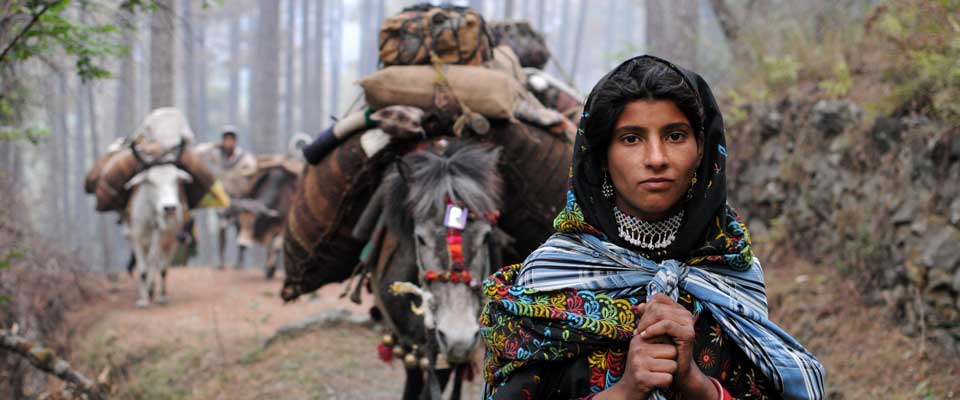
For Van Gujjar and other pastoral communities, seasonal migration is central to livelihood, culture, and food security. Herds travel between forest landscapes, foothills, and higher grazing areas, often following routes shaped by rainfall, fodder availability, and customary access to land. Buffaloes provide milk, income, and household stability, so animal health is closely connected to community wellbeing.
Veterinary support rarely reaches these moving settlements at the right time. Long distances, difficult terrain, forest restrictions, limited mobile connectivity, and irregular transport can turn a manageable illness into a serious loss. The challenges of veterinary care for migrating herds are therefore practical, social, and institutional at the same time.
Effective support must fit pastoral life rather than expect families to abandon their migration patterns. It should combine trained animal-health workers, timely medicines, local knowledge, and stronger links between communities and public veterinary services.
Seasonal Movement Creates Gaps In Care
Migration can place herders far from veterinary hospitals, pharmacies, vaccination centers, and diagnostic laboratories. A buffalo with fever, a difficult birth, or a wound may need urgent attention, yet the nearest qualified practitioner could be several hours or even a day away. Reaching a clinic may also mean leaving the herd unattended or paying for transport that a family cannot easily afford.
The timing of movement adds another difficulty. Herds may cross administrative boundaries between Uttarakhand, Himachal Pradesh, and Uttar Pradesh, while government services remain organized by district. A family that received advice or vaccination in one location may find it difficult to access follow-up care after moving onward.
Terrain And Weather Raise Medical Risks
Mountain paths, river crossings, landslides, and heavy rain make animal transport difficult. Weak or injured buffaloes cannot always walk long distances, and vehicles may be unable to reach temporary settlements. During winter, cold exposure and limited fodder can reduce body condition, while hot lowland conditions increase dehydration, exhaustion, and parasite pressure.
Poor access to clean water and safe resting areas can also increase the spread of infection. Calves are especially vulnerable when families must move quickly or when mothers produce less milk because of stress, illness, or inadequate nutrition. Preventive care is more valuable in these settings than waiting for a crisis that requires advanced treatment.
Medicines And Diagnosis Are Often Unavailable
Common problems include gastrointestinal infections, parasitic disease, respiratory illness, injuries, mastitis, reproductive complications, and nutritional deficiencies. Without examination or testing, similar symptoms can lead to different treatments. Incorrect dosing, incomplete courses, or unsuitable medicines may worsen the animal’s condition and contribute to antimicrobial resistance.
Vaccination is difficult to maintain when herds are mobile. Cold-chain requirements, uncertain schedules, and limited records can leave animals unprotected. Community-based registers, portable vaccination services, and coordinated information sharing between districts would help create continuity across the full migration route.
Trust Connects Local Practice With Clinical Care
Pastoral families possess detailed knowledge of animal behavior, feeding patterns, breeding, and early signs of illness. This experience should be treated as a valuable part of veterinary planning. Traditional pastoral knowledge can help identify seasonal risks and make public services more relevant to local conditions.
Trust grows when veterinary workers listen, communicate in familiar languages, and explain treatment clearly. Herders are more likely to seek help early when they are not blamed for delays or dismissed because they use customary remedies. Local animal-health volunteers can serve as a bridge, recognizing danger signs and arranging professional care when treatment exceeds their training.
Comparing The Main Service Barriers
| Barrier | Effect on herds | Practical response |
|---|---|---|
| Long distances to clinics | Delayed treatment and avoidable deaths | Mobile veterinary camps along migration routes |
| Difficult terrain and weather | Injured animals cannot be transported easily | Trained local responders and portable care kits |
| Movement across districts | Lost records and interrupted follow-up | Shared vaccination and treatment registers |
| Limited cold storage | Reduced vaccine effectiveness | Scheduled outreach with reliable cold-chain systems |
| High treatment costs | Families postpone professional care | Affordable medicines and emergency support |
| Language and trust gaps | Late reporting of illness | Community-based workers and respectful communication |
| Limited diagnostic access | Wrong or incomplete treatment | Sample collection, referral networks, and teleconsultation |
These measures work best when they are planned with pastoral communities. A service may exist on paper yet remain inaccessible if its timing, location, or cost does not match migration patterns. Social mobilization and government engagement can help align veterinary departments, forest authorities, local administrations, and community organizations.
Building A Mobile Animal-Health System
A practical system should combine prevention, early detection, and referral. Outreach teams can visit known seasonal camps before and during migration, provide vaccinations and deworming, check body condition, advise on fodder, and identify animals needing urgent attention. Simple records linked to ear tags or household registers can preserve essential medical history.
Priority actions include:
- Map migration routes, seasonal camps, water points, and high-risk areas.
- Train community animal-health workers in first aid, hygiene, calving support, and referral signs.
- Maintain portable kits with basic medicines, wound-care supplies, thermometers, and record forms.
- Coordinate vaccination and disease surveillance across district and state boundaries.
- Establish emergency transport and referral arrangements for severe cases.
Buffalo husbandry support should also address breeding, nutrition, clean milking practices, and milk marketing. Healthier animals produce more consistent milk, while better market access can help families afford preventive care. This connects veterinary services with sustainable pastoral livelihoods instead of treating animal illness as an isolated technical issue.
Community Action Can Strengthen Public Services
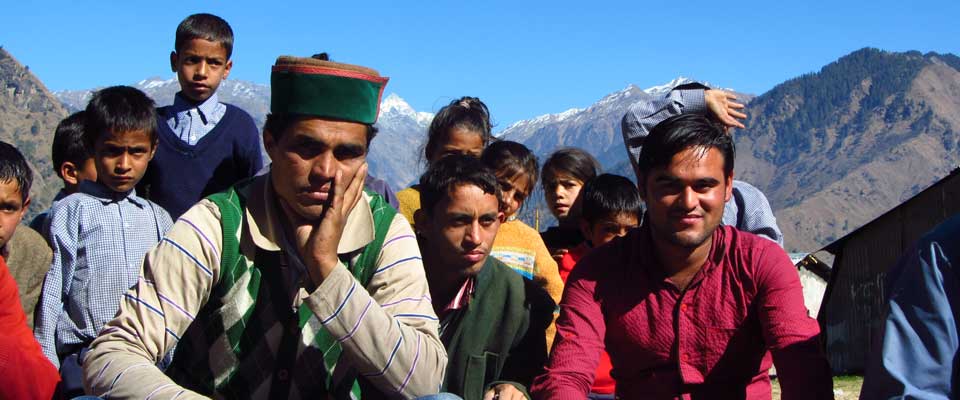
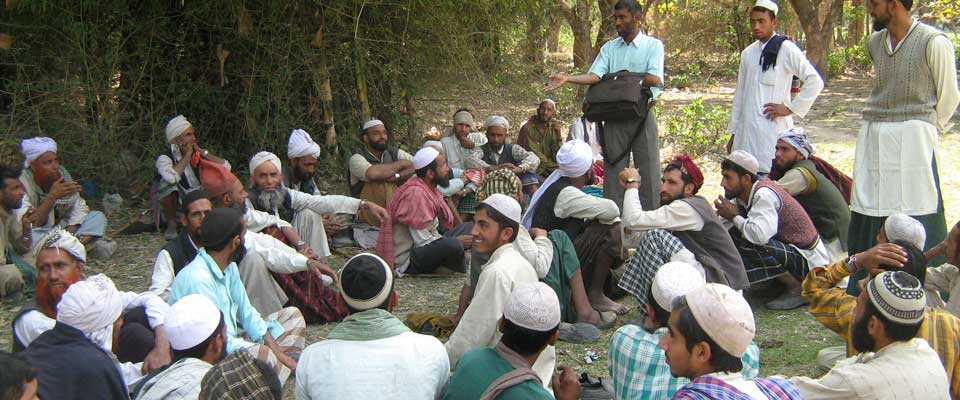
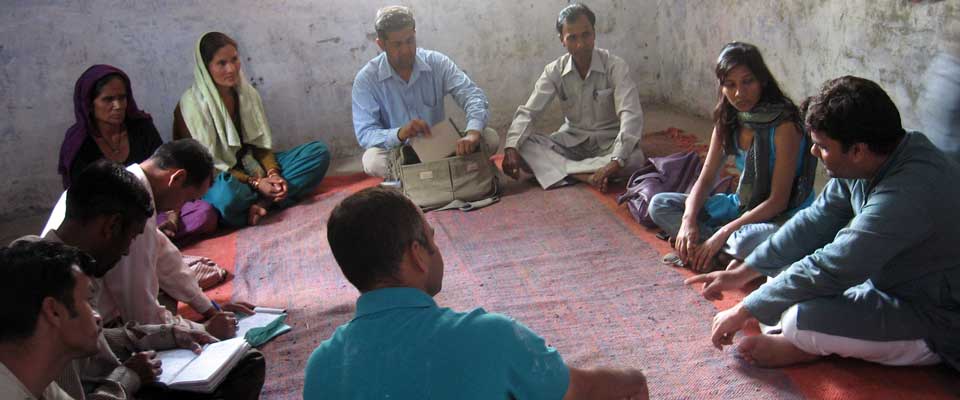
SOPHIA’s rights-based work with Van Gujjar and Himalayan village communities offers a platform for documenting needs, supporting collective advocacy, and improving communication with government departments. Community meetings can identify recurring disease patterns, service gaps, and barriers related to forest access or temporary settlement locations.
Partnerships among NGOs, veterinary institutions, local authorities, and pastoral representatives can make mobile care more regular and accountable. Monitoring should measure practical outcomes: response time, vaccination coverage, treatment completion, animal survival, and the number of families reached during migration.
When veterinary care travels with pastoral communities, herders gain more than emergency treatment. They gain continuity, confidence, and a stronger foundation for protecting their animals and rights. Support SOPHIA’s community-centered work by sharing its projects, partnering on outreach, or contributing resources that help bring reliable animal-health services to remote migration routes.