




How Climate Change Is Altering The Timing Of Van Gujjar Transhumance
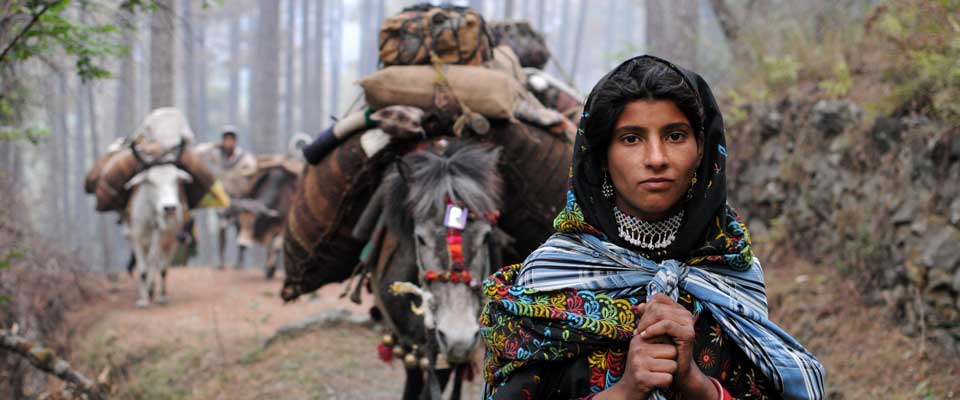
For generations, Van Gujjar families have moved with their buffalo between winter settlements in the Himalayan foothills and summer pastures at higher elevations. This seasonal migration, known as transhumance, follows a finely balanced calendar shaped by snow, rainfall, grass growth, forest access and animal health.
That calendar is becoming less dependable. Warmer winters, irregular monsoons, sudden storms and longer dry periods are changing when fodder becomes available and when routes are safe. For communities in Uttarakhand, Himachal Pradesh and Uttar Pradesh, a shift of only a few weeks can affect household income, schooling, grazing rights and the survival of livestock.
A Seasonal Clock Under Pressure
Van Gujjar migration has traditionally followed predictable signals. Families leave lower forest areas when temperatures rise, travel towards alpine and subalpine pastures, and return before severe cold or heavy snowfall. Climate disruption is weakening those signals: spring may arrive early, while rain can still fail when young grass needs moisture.
An early departure can send buffalo to upland areas before sufficient pasture has grown. A delayed journey may leave families facing depleted fodder and crowded grazing grounds near villages. Extreme rainfall can also damage bridges, wash away trails and isolate herders, turning a familiar route into a dangerous passage.
Fodder, Water And Buffalo Health
The timing of grass growth matters directly to buffalo husbandry. When warm weather stimulates vegetation too soon, fresh pasture may dry before herds arrive. When the monsoon becomes erratic, families may need to buy fodder, reduce herd sizes or spend longer searching for water. These costs are especially serious where milk sales provide the main regular income.
Heat stress, parasites and water-borne illness can also become more common as temperatures change. Buffalo require reliable shade and water during movement, while calves are vulnerable to exhaustion on long routes. A disrupted migration cycle can reduce milk yields and increase veterinary expenses at the same time that market access remains uncertain.
Forest Rights And Changing Routes
Climate pressure does not occur in isolation. Forest restrictions, road construction, conservation boundaries and competing land claims can narrow the corridors available to mobile pastoralists. When traditional resting places disappear, Van Gujjar families may be pushed towards steeper slopes, settlements or busy roads.
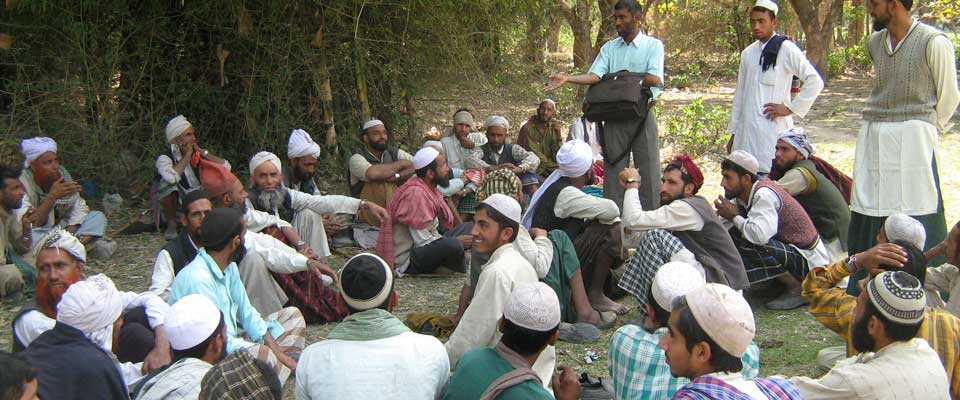
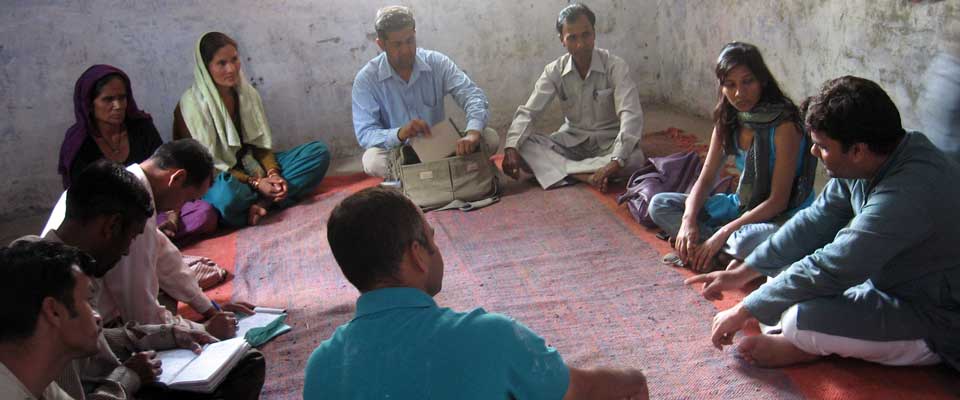
Rights-based work is therefore central to climate adaptation. Community mapping, recognition of forest and domicile rights, dialogue with government departments and collective advocacy can help protect seasonal routes. Reliable information matters too: SOPHIA’s reporting on digital access shows why connectivity cannot be treated as a luxury when remote families need weather updates, public services or market information.
Lessons For Australian Communities
The issue has clear connections for people in Australia. A Melbourne commuter buying a flat white, a family comparing milk prices in a Brisbane supermarket, or a farmer watching rainfall forecasts is linked to a food system shaped by climate and transport. Australian pastoralists also understand how a delayed wet season, a closed road or poor pasture can alter an entire year of work.
Australia’s legal landscape offers useful points of comparison. The Native Title Act 1993 recognises important Indigenous relationships with land, while the Environment Protection and Biodiversity Conservation Act 1999 regulates impacts on nationally protected environmental values. These frameworks are different from India’s forest-rights arrangements, yet both contexts show why land management must consider customary use, ecological protection and community participation together.
Climate adaptation should not mean forcing pastoralists into permanent settlement or treating mobility as outdated. Carefully planned water points, veterinary outreach, safe transit corridors, weather information and fair milk markets can help families retain their livelihoods while responding to environmental change.
Practical Ways To Stand With Pastoral Communities
Support is most useful when it strengthens community decision-making. Australian donors, researchers, schools and civil society groups can contribute to locally led work rather than assuming that a single technical solution will suit every migratory route.
Everyday engagement can also build awareness of how climate, rights and food systems connect:
Ways To Learn And Share
- Follow credible updates about Van Gujjar communities and Himalayan pastoralism.
- Share stories that recognise indigenous knowledge and mobile livelihoods.
- Encourage schools and community groups to discuss climate adaptation fairly.
- Choose public conversations that connect food, land rights and rural resilience.
Ways To Help Responsibly
- Support organisations working with communities over the long term.
- Fund access to veterinary care, water security and locally managed information.
- Promote partnerships between Indian grassroots groups and Australian organisations.
- Respect community consent when using photographs, research or personal stories.
SOPHIA’s work links social mobilisation, government engagement, sustainable buffalo husbandry and milk marketing with the wider struggle for forest and domicile rights. That integrated approach recognises that a migration date is never just a date: it affects income, family life, cultural continuity and access to shared landscapes.
Support community-led climate resilience by learning from SOPHIA’s projects, sharing its work and contributing to partnerships that protect pastoral mobility, indigenous rights and sustainable Himalayan livelihoods.