



Bridging the digital divide in remote Himalayan hamlets
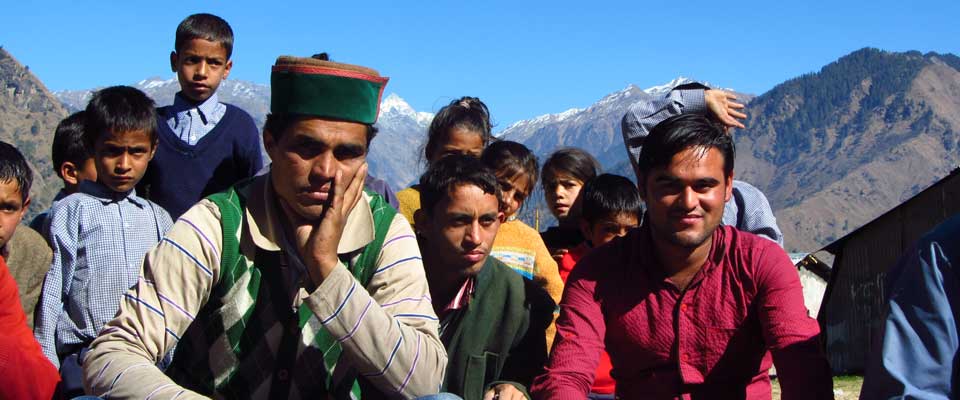
For families living in remote Himalayan hamlets, internet access is shaped by mountains, forests, weather, and distance. A mobile phone may be present in the household, yet a stable connection can remain unavailable for days. The result is a digital gap that affects education, healthcare, public services, livelihoods, and participation in local decisions.
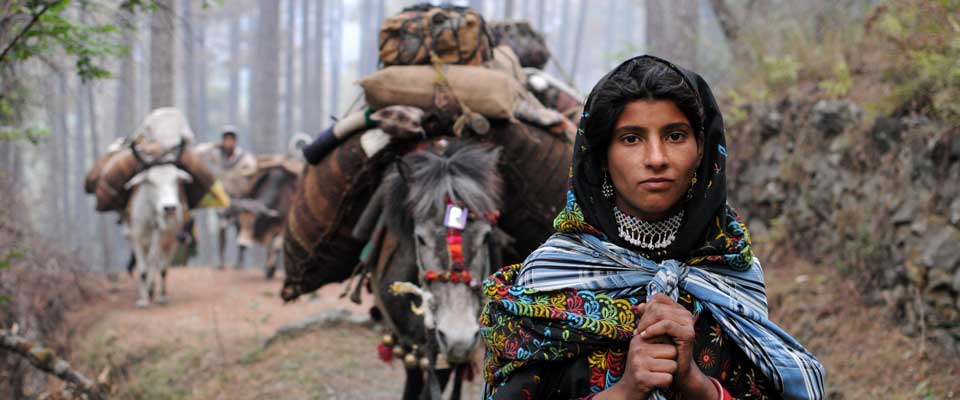
The challenge is especially significant for Van Gujjar pastoral communities and village residents whose homes and seasonal routes often lie far from roads, electricity networks, and mobile towers. Digital connectivity cannot be separated from forest access, mobility, land rights, and the practical realities of pastoral life.
SOPHIA works with communities in Uttarakhand, Himachal Pradesh, and Uttar Pradesh to support rights-based development and stronger local institutions. Understanding the barriers to communication is an important part of building solutions that respect community knowledge and customary livelihoods.
Connectivity shaped by geography
Steep valleys and scattered settlements make infrastructure expensive and technically difficult. A signal that reaches a nearby town may weaken before it enters a forest settlement or disappears behind a ridge. During monsoon rains, landslides and damaged roads can further isolate communities and delay repairs.
Many hamlets also experience unreliable electricity. Phones may be charged at a shop, school, health centre, or shared solar station rather than at home. When power and network coverage fail together, residents lose access to digital payments, government portals, emergency information, and communication with relatives working elsewhere.
What limited access means for daily life
Students in remote villages may depend on a single smartphone for online lessons, study materials, and examination updates. Shared devices, limited data budgets, and weak signals make regular learning difficult. Young people can also miss vocational opportunities, scholarships, and employment information that are increasingly published online.
For pastoral families, connectivity can support weather alerts, livestock advice, milk prices, veterinary consultations, and contact with markets. Yet seasonal movement may place families outside the reach of familiar towers and service centres. SOPHIA’s work documenting seasonal migration routes helps show why connectivity planning must account for movement rather than focus only on permanent settlements.
A barrier to rights and public services
Access to forest rights, domicile certificates, welfare schemes, identity documents, and grievance systems increasingly involves digital forms or online verification. When a family must travel several hours to upload documents or receive an OTP, a supposedly simple service becomes costly and uncertain.
Language and digital literacy add further barriers. Online platforms may not offer information in locally understood languages, while women, older people, and residents with limited formal education can be excluded from digital processes. Community facilitators and trusted local organisations can help residents understand their rights without taking control away from them.
| Area of life | Effect of weak internet access | Community-centred response |
|---|---|---|
| Education | Missed lessons, forms, and scholarships | Shared learning points and offline resources |
| Healthcare | Delayed consultations and referrals | Local digital health support with trained facilitators |
| Livelihoods | Less market information and financial access | Mobile-friendly price and payment services |
| Rights | Difficulty submitting claims and tracking applications | Rights awareness and assisted documentation |
| Emergencies | Slow contact during floods, illness, or conflict | Reliable local communication and alert systems |
Solutions that fit mountain communities
Improving connectivity requires more than installing additional towers. Solar-powered digital centres, community Wi-Fi, signal repeaters, and offline content servers can reduce dependence on continuous broadband. Shared facilities placed near schools, forest settlements, health workers, or local markets may serve more people than household connections alone.
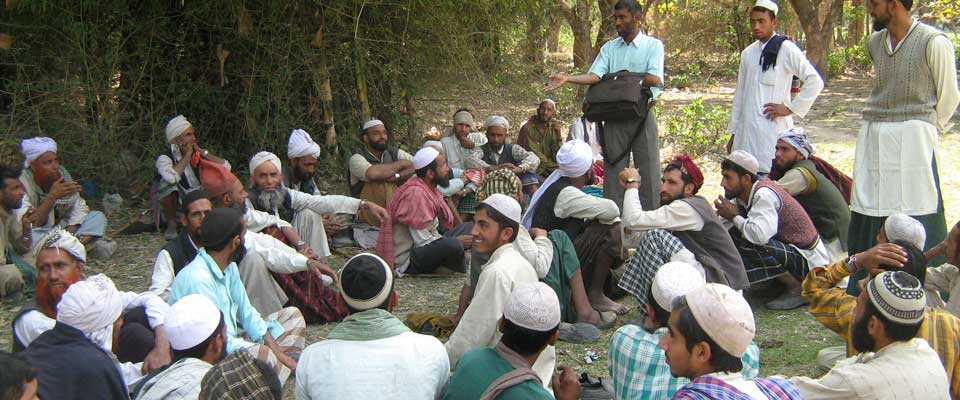
Infrastructure should be designed with residents, not imposed on them. Community mapping can identify seasonal camps, grazing routes, flood-prone areas, and locations where a signal would have the greatest practical value. Local monitoring groups can also report outages and help ensure that equipment remains maintained after a project ends.
Building digital confidence locally
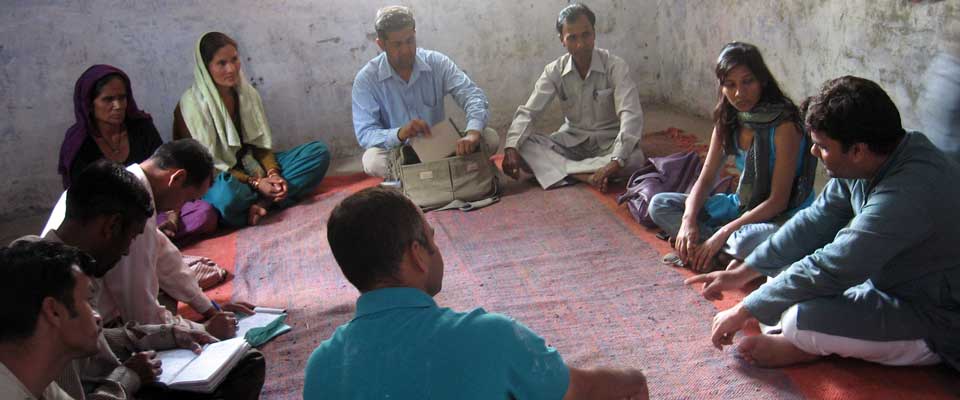
Digital inclusion depends on skills as much as infrastructure. Training can cover safe phone use, digital payments, document storage, online applications, misinformation, and privacy. Sessions should be practical, flexible, and available in spaces where women and marginalised households feel comfortable participating.
Local youth can become digital resource persons who assist with forms, teleconsultations, school applications, and government communication. This creates useful community roles while reducing dependence on distant intermediaries. Training should make clear which information is safe to share and how to recognise fraud, coercion, and misleading messages.
Priorities for equitable access
A rights-based approach should connect internet access with broader community development rather than treat it as a standalone technology project. The following priorities can guide local action:
- Map network gaps across both permanent villages and seasonal pastoral routes.
- Establish solar-powered, community-managed digital access points.
- Provide multilingual training focused on public services, education, and livelihoods.
- Include women, elders, youth, and mobile pastoral families in planning and oversight.
- Create clear channels for reporting outages, exclusion, and misuse of personal data.
Partnerships among communities, local governments, telecommunications providers, schools, and civil society organisations can make these measures more sustainable. Public investment is essential, but accountability must remain visible at the local level.
A reliable connection can help a family reach a doctor, a student continue learning, or a pastoralist find a fair market for milk. Support SOPHIA’s community-led work by sharing these realities, strengthening local partnerships, and helping remote Himalayan communities gain digital access that serves their rights, livelihoods, and dignity.