





Traditional Van Gujjar Crafts: Weaving, Embroidery, and Utility Items
Across the Himalayan foothills, Van Gujjar families have developed craft traditions shaped by movement, pastoral work, and close relationships with forests. Their handmade textiles and household objects are practical, durable, and closely connected to everyday life.
Weaving, decorative stitching, leatherwork, rope-making, and the careful reuse of available materials reflect a strong culture of resourcefulness. These skills are often learned within families, with older women and men passing techniques, patterns, and knowledge to younger generations.
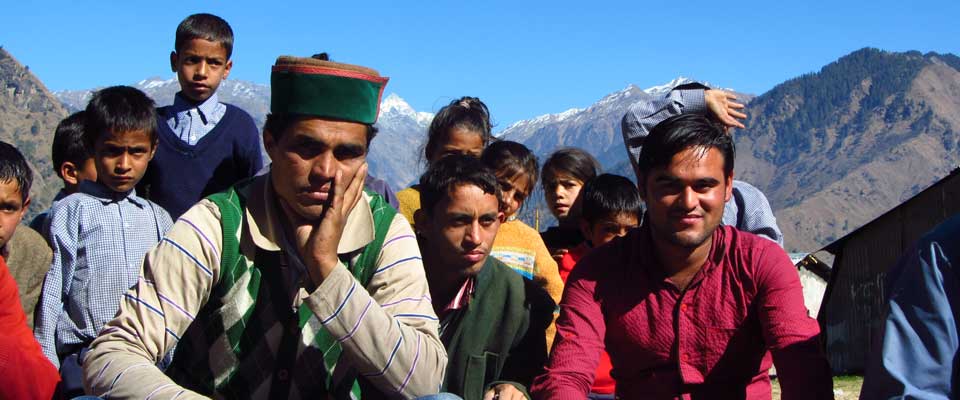
For Van Gujjar and Himalayan village communities, craft is more than an artistic expression. It can preserve cultural identity, support household incomes, and strengthen the visibility of indigenous knowledge in discussions about rights, livelihoods, and sustainable development.
Craft Knowledge Shaped By Pastoral Life
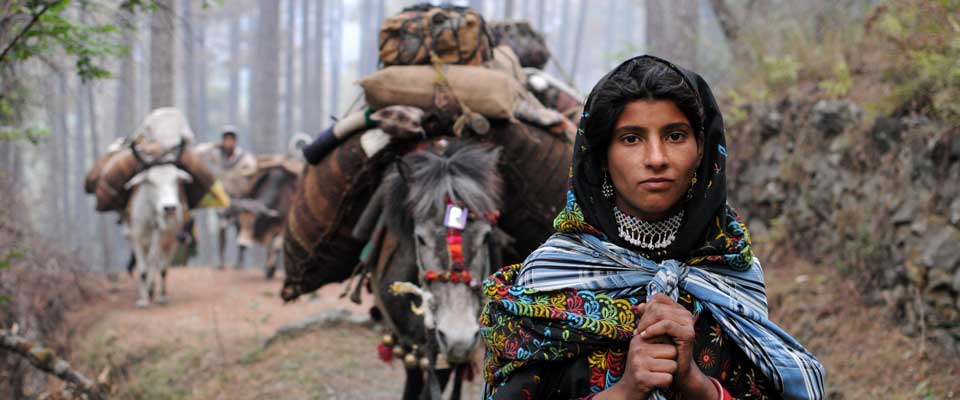
Van Gujjar communities have traditionally moved with their buffalo herds between seasonal grazing areas. This mobile way of life has influenced the kinds of objects people make: items must be useful, repairable, and light enough to transport.
Wool, cotton, jute, leather, bamboo, and locally available plant fibres may become blankets, carrying straps, storage bags, floor coverings, ropes, or containers. The value of these objects lies in their reliability. A well-made item can serve a household for years and often be repaired rather than discarded.
Craft production also follows the rhythm of domestic and pastoral responsibilities. Stitching and decorative work may take place during quieter hours, while weaving and utility-item production are fitted around milking, herding, cooking, and seasonal travel.
Patterns, Colours, And Embroidery
Embroidery adds character to clothing, bags, household textiles, and ceremonial pieces. Designs may include geometric forms, repeated borders, stylised flowers, or motifs inspired by the landscape. Each maker develops a distinct rhythm of stitching, even when working within a shared community tradition.
Colour choices can be both expressive and practical. Strong contrasts help patterns stand out, while deep reds, blues, greens, and earthy shades can connect garments and textiles to regional preferences. Decorative borders often reinforce edges that receive frequent handling, giving beauty a useful structural role.
These visual traditions are important records of community identity. When designs are documented with consent and attributed properly, they can help younger generations understand the history and meaning behind household crafts.
Everyday Items With Lasting Value
Traditional craft objects are often judged by how well they serve daily needs. The following examples show how material, technique, and purpose come together in Van Gujjar households.
| Craft or Material | Common Use | Practical Value |
|---|---|---|
| Woven wool | Blankets, wraps, floor coverings | Warmth and insulation |
| Embroidered cloth | Garments, bags, household textiles | Identity and decoration |
| Cotton or jute fibre | Sacks, ropes, carrying straps | Strength and transport |
| Leather | Harnesses, footwear, containers | Durability and protection |
| Bamboo or wood | Baskets, tools, storage items | Lightweight household utility |
The distinction between art and utility is not always meaningful in these communities. A decorated bag can carry food or clothing, while a carefully woven blanket can also express family identity. Function and beauty frequently exist in the same object.
Supporting these crafts means valuing the labour involved, including material preparation, spinning, dyeing, stitching, finishing, and repair. Fair recognition should include the people who hold this knowledge, rather than treating the finished item as an anonymous product.
Women’s Skills And Household Economies
Women often play a central role in embroidery, textile finishing, garment decoration, and the production of small household articles. These activities may contribute to family income while allowing makers to work around childcare, livestock care, and other responsibilities.
Craft-based earning opportunities can be especially significant when pastoral families face restrictions on movement, reduced access to grazing, or limited markets for milk and livestock products. However, commercial initiatives work best when they respect local schedules, pricing decisions, cultural ownership, and the makers’ authority over their designs.
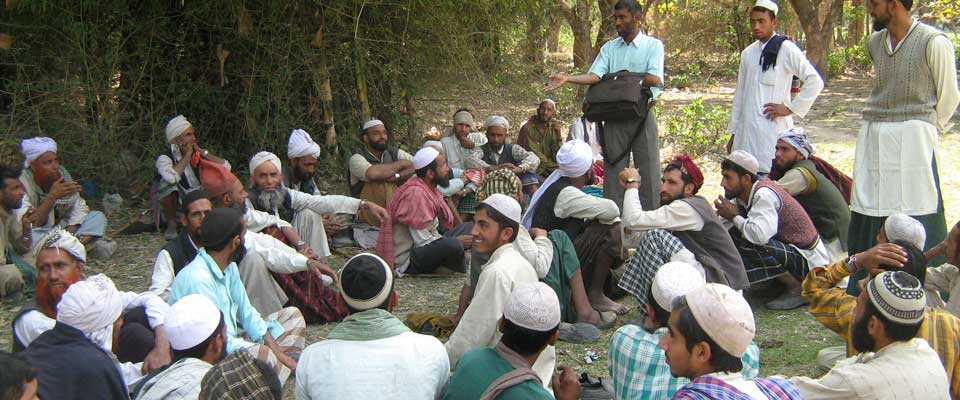
SOPHIA’s rights-based work with Van Gujjar communities provides a wider context for understanding such livelihoods. Its field advocacy work shows why economic support is closely connected to community voice, government engagement, and recognition of forest and domicile rights.
Protecting Skills Through Community-Led Action
Craft traditions can weaken when raw materials become difficult to access, younger people leave villages, or markets reward cheap imitations instead of skilled work. Documentation alone cannot protect a tradition if makers lack secure livelihoods and decision-making power.
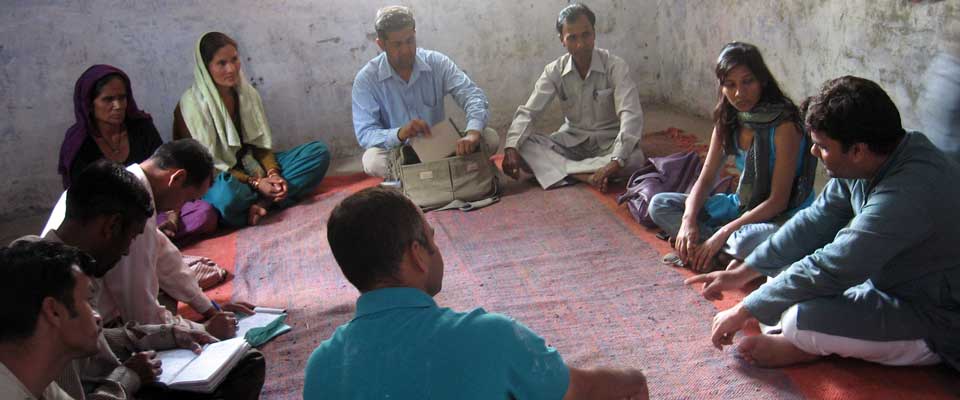
Community-led programmes can help by connecting craft knowledge with training, fair marketing, cultural events, and local institutions. Any such effort should avoid extracting patterns or techniques without permission. It should also ensure that benefits return to artisans and their communities.
Practical priorities include:
- Recording techniques and stories with informed community consent.
- Creating fair prices that reflect time, materials, and skill.
- Supporting young people who want to learn from experienced makers.
- Linking craft promotion with pastoral, forest, and domicile rights.
- Building market partnerships without forcing standardised designs.
Responsible Ways To Value Handmade Work
Visitors, researchers, designers, and organisations can contribute by purchasing directly where possible, asking about the maker, and learning how an item was produced. A responsible market celebrates variation instead of demanding identical products from every artisan.
Photographs, interviews, and online promotion should also protect dignity and ownership. Makers should be named when they wish, images should be shared with permission, and cultural symbols should not be copied for commercial use without agreement.
SOPHIA’s work offers a pathway for people who want to support indigenous rights, sustainable pastoral livelihoods, and community empowerment in Uttarakhand, Himachal Pradesh, and Uttar Pradesh. Engage with its programmes, share carefully sourced stories, and help ensure that Van Gujjar craft knowledge remains useful, respected, and community-owned.