



A Day in the Field with SOPHIA’s Advocacy Team
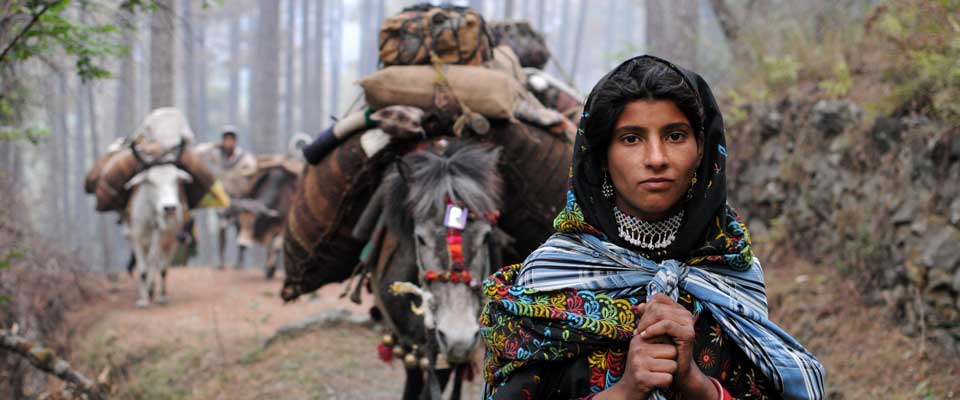
Before the sun reaches the forest slopes, SOPHIA’s advocacy team is already preparing for the day. Files are checked, meeting notes reviewed, and routes planned around mountain roads, seasonal grazing paths, and scattered settlements. The work is grounded in close relationships with Van Gujjar families and Himalayan village communities across Uttarakhand, Himachal Pradesh, and Uttar Pradesh.
Field advocacy is practical, patient, and community-led. It may involve documenting a family’s traditional forest access, helping residents understand a government notice, or creating space for women and pastoralists to speak in a village meeting. Each visit connects everyday concerns with wider efforts for indigenous rights, forest rights, domicile rights, and sustainable livelihoods.
The team’s presence in the field also helps turn local knowledge into evidence. Testimonies, maps, applications, and meeting records can support dialogue with government officials while strengthening the community’s own ability to claim rights and participate in decisions.
Starting With Community Priorities
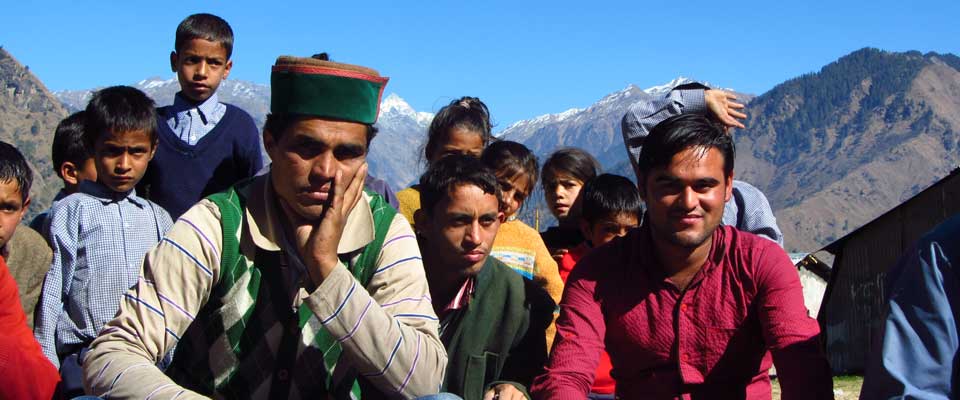
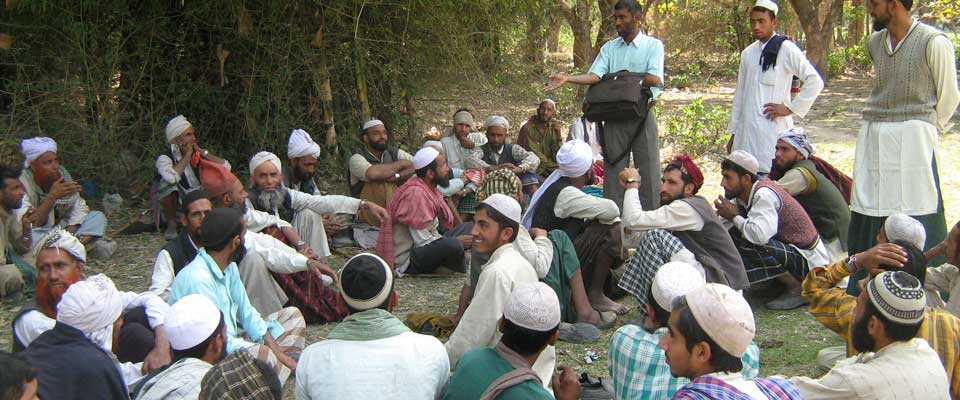
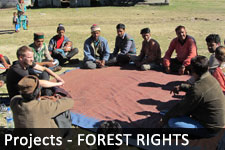
A field day often begins with a conversation rather than a formal presentation. Team members meet community representatives, elders, women’s groups, and livestock keepers to hear what has changed since the last visit. Access to grazing areas, buffalo health, milk prices, identity documents, and school or healthcare access may all emerge as connected concerns.
Listening carefully prevents advocacy from becoming an outside exercise. SOPHIA’s role is to support communities in identifying priorities, understanding available protections, and deciding how they want to proceed. The pace is shaped by local schedules, seasonal migration, weather, and the responsibilities of pastoral households.
Recording Rights And Evidence
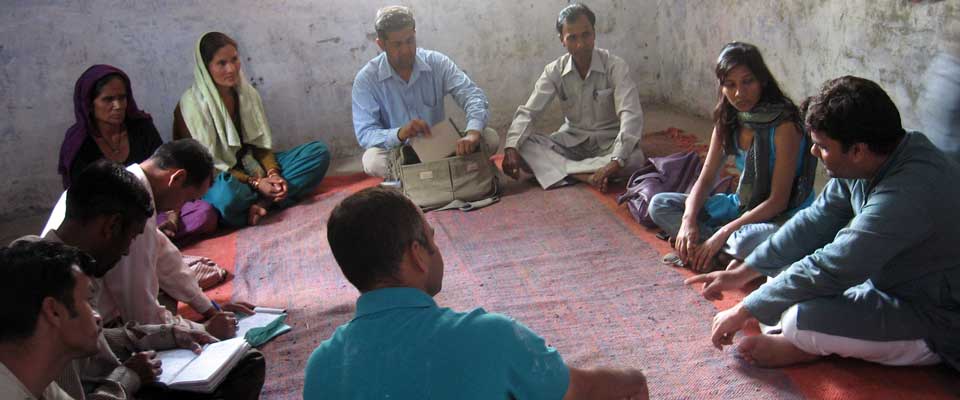
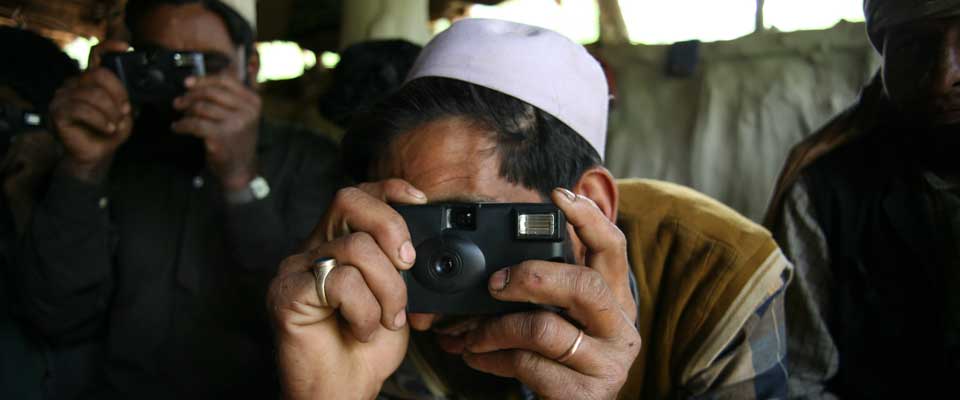
Once concerns are clear, the team helps organize information. This may include recording oral histories, reviewing land or residence documents, noting customary routes, photographing relevant sites with permission, and compiling details of interactions with public authorities. Accurate records can make a community claim easier to explain and follow up.
Evidence gathering also respects privacy and consent. Sensitive information is handled carefully, and community members remain central to deciding what can be shared. A simple, well-documented account can support a representation to a forest department, revenue office, panchayat, or district administration.
Turning Local Knowledge Into Advocacy
Community knowledge often reveals patterns that official files miss. Families may know which forest routes have been used for generations, where seasonal water sources are located, or how restrictions affect buffalo husbandry and milk marketing. The advocacy team helps translate this knowledge into clear submissions, petitions, meeting briefs, and requests for action.
Legal awareness is one part of this process. Communities and partner organizations can draw on pastoralist forest strategies when considering how customary access, forest legislation, and administrative procedures intersect. The aim is to make legal tools understandable and useful rather than distant from daily life.
| Field activity | Community value | Possible advocacy outcome |
|---|---|---|
| Listening meeting | Identifies shared priorities | Agreed action points |
| Document review | Clarifies rights and gaps | Stronger applications |
| Route and resource mapping | Records customary use | Evidence for dialogue |
| Government engagement | Brings concerns to officials | Follow-up commitments |
| Livelihood discussion | Connects rights with income | Support for pastoral systems |
Meeting Officials With A Clear Mandate
A visit to a government office may follow the community meeting. Team members carry written applications, supporting records, and a clear account of the requested action. Whether the issue concerns forest access, domicile certificates, public services, or livestock support, respectful engagement is paired with consistent follow-up.
The advocacy team may help explain administrative steps, identify the appropriate department, and track deadlines. When several families face the same barrier, a collective representation can show that the issue is structural rather than isolated. Dialogue becomes more effective when it is supported by organized community voices.
Supporting Pastoral Livelihoods
Rights advocacy is closely connected to economic security. For Van Gujjar and other pastoral families, healthy buffaloes, reliable grazing access, fair milk marketing, and mobility are essential parts of a living system. Field discussions therefore consider how regulations, market conditions, animal health, and public services affect one another.
SOPHIA’s work can connect communities with information, local institutions, and partner organizations that support sustainable pastoral livelihoods. Strengthening buffalo husbandry and milk marketing helps families build resilience while maintaining practices that are adapted to Himalayan environments.
Making Space For Women And Young People
A community meeting does not automatically include every voice. The team pays attention to who is present, who speaks, and whose experience may be overlooked. Women often hold detailed knowledge about milk production, household nutrition, animal care, documentation, and access to services, while young people may contribute skills in communication, mapping, and digital records.
Inclusive participation improves the quality of advocacy. It also builds confidence for future engagement with village councils, departments, and elected representatives. When people understand that their experiences matter, rights-based work becomes a shared community process rather than the responsibility of a few individuals.
Carrying The Work Forward
A field visit ends with practical next steps. Notes are organized, responsibilities are assigned, pending applications are tracked, and the community is informed about what will happen next. The team may return with a document, arrange a follow-up meeting, contact a partner organization, or raise a broader issue through public advocacy.
People who want to support this work can contribute by:
- Sharing accurate information about indigenous and pastoralist rights
- Supporting community-led research, documentation, and awareness activities
- Connecting SOPHIA with responsible civil society and institutional partners
- Respecting community consent when sharing stories, images, or field experiences
The value of a day in the field is measured over time: a stronger claim, a clearer government response, a better-informed family, or a community more prepared to speak for itself. Support SOPHIA’s rights-based work by learning from the communities it serves, sharing its mission, and helping sustain partnerships that advance dignity, justice, and secure pastoral livelihoods.