




horn combs and the Van Gujjar craft tradition
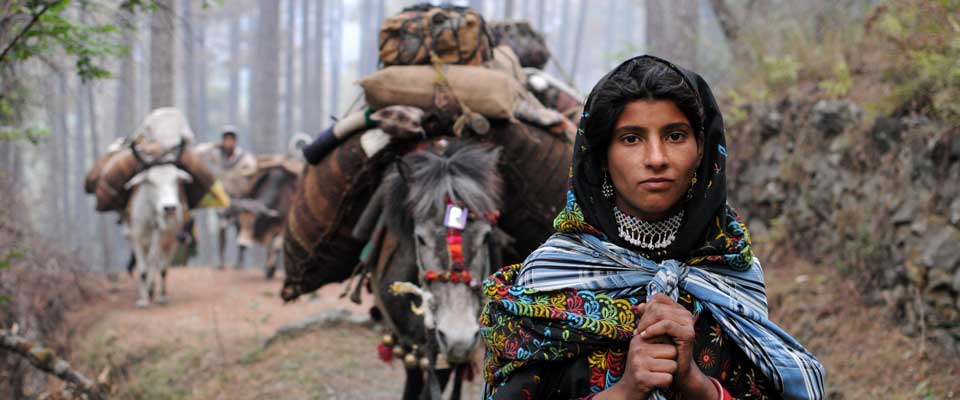
For centuries, the Van Gujjar community, a forest-dwelling pastoral people of the western Himalayas, has refined practical skills suited to a life shaped by seasons, livestock, and dense forests. Among their lesser-known traditions is the making of buffalo horn combs, items once carried in every grooming kit and still produced by elders in remote clearings of Uttarakhand, Himachal Pradesh, and Uttar Pradesh.
These combs are not souvenirs. They are working objects, designed to survive rough handling, monsoon humidity, and years of daily use. Their existence reflects a wider philosophy of using every part of the animals the community tends, transforming what others discard into tools that last generations.
A heritage woven into the forest economy
The Van Gujjars maintain a reciprocal relationship with the forests they inhabit. Buffalo herding provides milk, ghee, and dung, while surrounding woodlands supply fodder, medicinal plants, and raw materials for tools. Horns removed during the natural life cycle of the herd were never wasted. They were softened in oil, pressed flat, and shaped into combs, hairpins, and other functional objects.
This tradition ties directly to the broader documentation of traditional Van Gujjar crafts, including embroidery and utility items that share the same ethos of resourcefulness. Each craft reflects a community accustomed to using what the forest offers without compromising on durability.
The making of a single comb
The process begins with seasoned horn, often saved and dried for months. Artisans heat it gently over coals or submerge it in warm oil until it becomes pliable, then split and flatten it with smooth stones. Fine teeth are sawed by hand, sometimes using improvised blades adapted from cycle spokes or small metal files. Each piece is polished with sand and ash, then buffed with mustard oil to bring out a natural sheen.
A skilled artisan can produce several combs in a day, though intricate patterns featuring etched geometric lines or simple floral motifs take considerably longer. No synthetic dyes or sealants are used, giving the finished comb an earthy palette ranging from ivory to dark amber.
Why horn outlasts plastic
Australian consumers who shop at weekend markets in Melbourne, Sydney, or Hobart often pay a premium for handcrafted goods because they outlast mass-produced alternatives. The same logic applies to buffalo horn. Unlike plastic combs, which crack under heat and develop sharp fissures, horn flexes slightly with use. It resists static, glides smoothly through thick hair, and grows smoother rather than rougher with age.
Horn also resists the swelling and warping that affects wooden combs in humid climates. For people with long hair, beard maintenance, or sensitive scalps, it is gentler because the material warms quickly and does not pull. Biodegradable and chemical-free, it can last for decades, a quality that aligns naturally with the Australian shift toward slow living and waste reduction.
Tools, identity, and daily ritual
For Van Gujjar women and men, combing hair is more than grooming. It is a quiet, almost meditative act woven into the rhythm of the day, performed after milking, before prayers, or at the close of long migrations between summer and winter pastures. The comb is often passed from mother to daughter or grandfather to grandson, its worn teeth carrying the memory of countless hands.
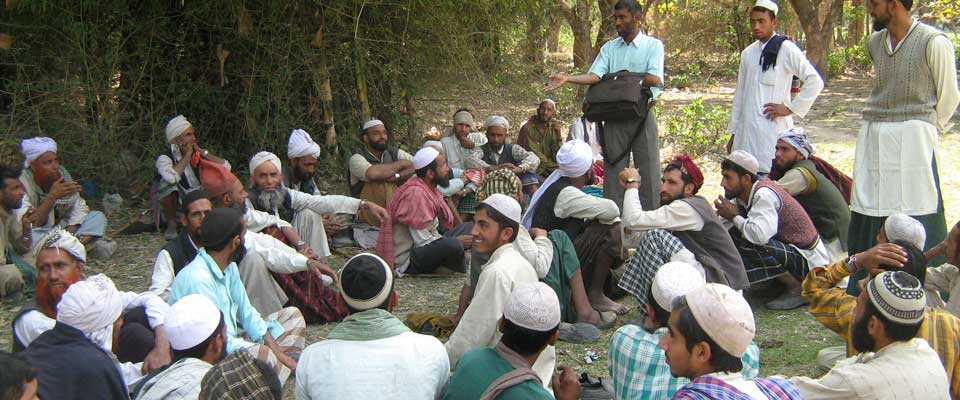
Such objects carry identity. A well-made comb signals pride in personal appearance and respect for tradition. During weddings and seasonal gatherings, elders sometimes gift horn combs to young relatives, marking the transition into adult responsibilities and turning each piece into a small archive of family history.
Pressures facing the tradition today
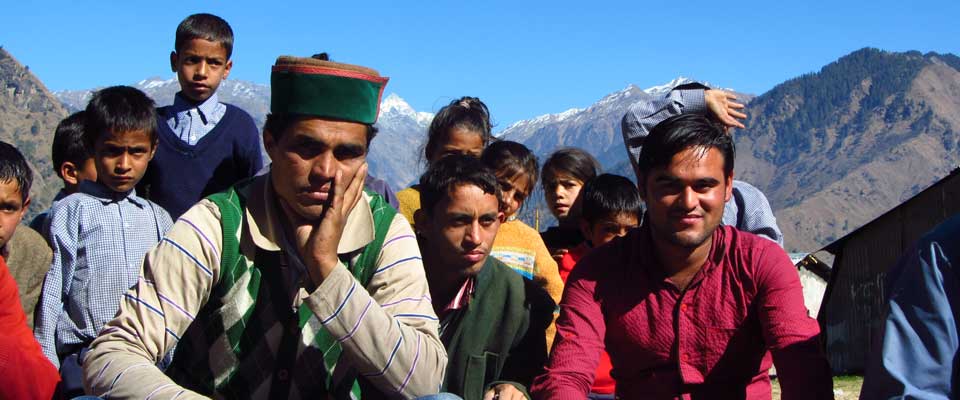
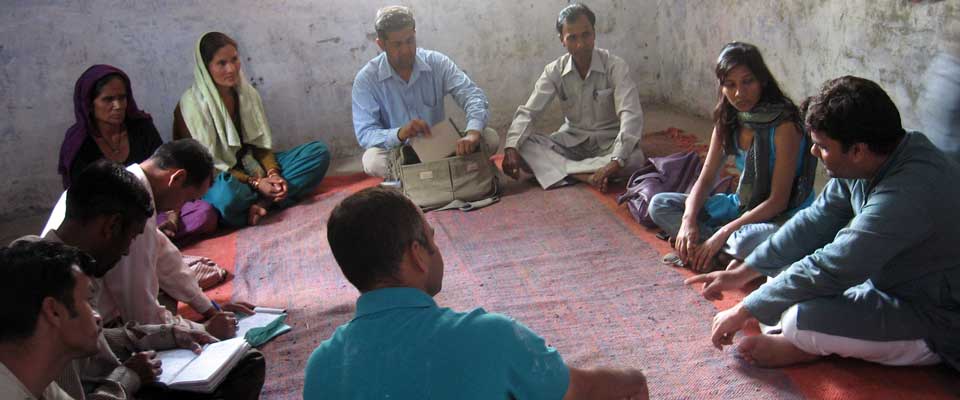
Younger members of the community are increasingly drawn to urban centres and wage labour, leaving fewer apprentices to learn the craft. Cheap plastic combs, widely available in roadside stalls and city markets, have reduced demand for handmade pieces. SOPHIA's work includes supporting documentation, market access, and skills training so that traditional knowledge does not quietly disappear.
Climate change adds another layer of pressure. Erratic monsoons disrupt buffalo grazing patterns, and shifting forest policies sometimes restrict the seasonal migration that defines Van Gujjar life. Fewer animals in the herd means less horn, and less horn means fewer raw materials for artisans who depend on this cycle.
A resonance with Australian craft communities
Australian readers might recognise parallels with their own Indigenous and bush-craft traditions, where tools are made from local materials and shaped by deep ecological knowledge. The Van Gujjar horn comb, like a hand-carved mulga wood item from the outback or a traditional shell ornament from coastal communities, reflects a worldview in which nothing of value is wasted. Visitors wandering through the Queen Victoria Market in Melbourne or the Mindil Beach markets in Darwin often search for exactly these kinds of meaningful, durable objects.
By learning about traditions like the buffalo horn comb, Australian audiences can support ethical craft networks abroad and rethink what they keep in their own homes. Each small purchase, when sourced fairly, helps keep a centuries-old skill alive.
Ways readers can support Van Gujjar crafts
- Share articles and visual documentation about Van Gujjar craftsmanship with friends and local community groups.
- When travelling in northern India, purchase horn combs directly from artisan cooperatives rather than resellers.
- Support SOPHIA's initiatives through donations or volunteer opportunities that strengthen forest-dependent communities.
- Promote awareness of biodegradable alternatives to plastic grooming tools in everyday conversations.
- Encourage Australian museums and cultural centres to feature Himalayan pastoral craft in cross-cultural exhibitions.
If you would like to walk deeper into the world of Van Gujjar craftsmanship, visit the SOPHIA website today, explore the team's ongoing projects, and consider standing alongside the communities whose traditions deserve to endure for many more generations.