



How Van Gujjar herds build hardiness and milk yield
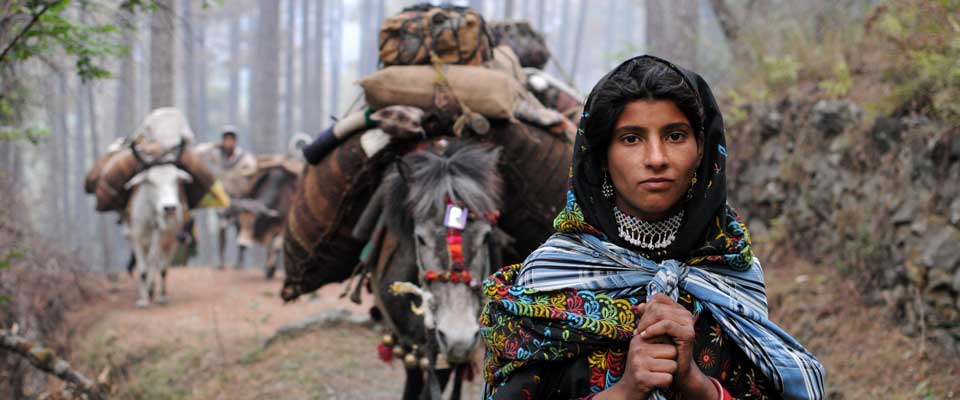
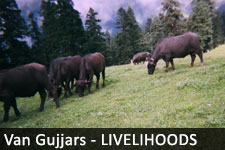
For the Van Gujjar communities of the Himalayan foothills, buffalo husbandry is shaped by movement, weather and inherited knowledge. Families traditionally travel with their animals between forest grazing areas and seasonal settlements, adjusting routes and feeding patterns to suit altitude, rainfall and available forage.
This way of keeping livestock has produced a practical form of selective breeding. Animals are valued for their ability to walk long distances, withstand cold nights, find food in uneven terrain and maintain useful milk production without intensive feed or housing.
For Australian readers, the practice offers a valuable comparison with cattle selection in Gippsland, the Northern Territory and the Kimberley. It shows how productivity must be measured alongside resilience, animal health, mobility and the conditions in which a herd actually lives.
Breeding for a demanding landscape
Van Gujjar families generally observe individual animals over several seasons before deciding which buffalo should remain in the breeding herd. A female that calves regularly, stays healthy while travelling and produces dependable milk is more valuable than one with a high short-term yield but poor stamina.
Hardiness includes several linked traits: strong legs and feet, tolerance of heat and cold, resistance to local disease pressures, efficient grazing and the ability to recover after a difficult season. These characteristics are especially important where veterinary services, purchased fodder and permanent shelters may be limited.
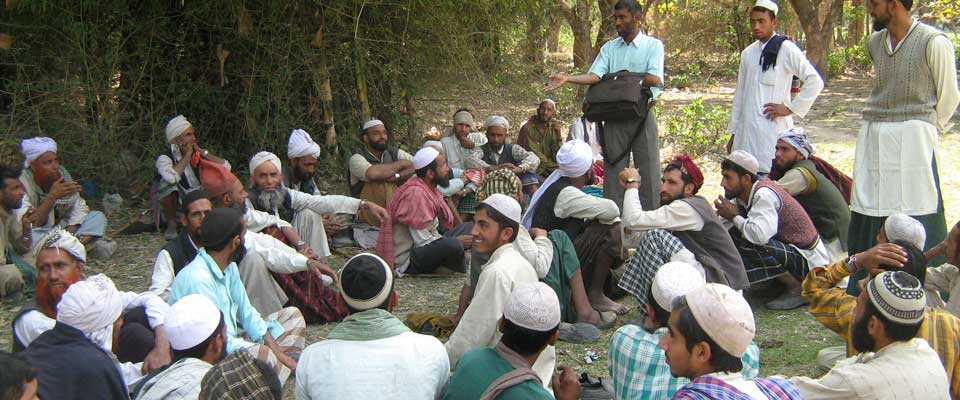
The process is community-based rather than driven by laboratory records alone. Families compare animals, remember the performance of mothers and daughters, and exchange breeding stock through social networks. This creates a living record of traits that matter in pastoral conditions.
Milk yield is judged in context
Milk production remains essential because it supports household nutrition and provides income through local sales. Yet a buffalo’s value cannot be reduced to its peak daily yield. A hardy animal that produces steadily across a long lactation may contribute more to a family than a high-producing animal needing costly feed.
Milk quality and composition also matter. Buffalo milk is naturally rich in fat and solids, making it suitable for ghee, curd, paneer and other products. This is relevant to Australian dairy discussions, where processors commonly assess butterfat and protein rather than paying solely for litres.
In places such as Gippsland, farmers often plan around processor contracts, seasonal supply and feed costs. Van Gujjar households work within a different market, but the principle is familiar: breeding decisions must reflect the price received, the cost of production and the reliability of the animal.
Mobility shapes animal selection
Seasonal migration is a form of environmental management as well as a livelihood strategy. Buffalo move between grazing zones, using grasses, shrubs and forest-edge vegetation that would otherwise be difficult to convert into food and milk. Animals unable to cope with the journey, terrain or changing forage are less likely to be retained.
Access to these routes is therefore central to breeding success. When roads, dams, power infrastructure or restricted forest access break up traditional grazing lands, families lose the conditions that support their livestock knowledge. Research on hydroelectric project impacts helps explain why land rights and pastoral mobility are closely connected.
Australian pastoralists recognise similar pressures when fences, mining projects, conservation rules or water infrastructure alter customary movement. A herd selected for endurance still needs access to the landscapes where that endurance has practical value.
Knowledge passes through families
Selective breeding is sustained through observation and memory. Elders may know which buffalo line produces calm, fertile females, which animals thrive on sparse forage and which mothers rear strong calves. Women’s daily involvement in milking and household dairy processing also provides detailed knowledge of yield, temperament and milk quality.
This knowledge is adaptive. Families may favour different traits in a high-altitude area, a forest corridor or a settlement closer to markets. Calving intervals, disease events, fodder shortages and changes in grazing access all influence which animals are considered suitable for the future.
Such knowledge deserves recognition as expertise, not as an informal substitute for science. Collaborative livestock programmes can combine community records with veterinary testing, reproductive support and fair market information without displacing local decision-making.
Supporting a resilient dairy future
For Van Gujjar communities, improving buffalo husbandry requires more than importing high-yield genetics. Breeding programmes should protect locally adapted animals and assess performance under real pastoral conditions. Useful support may include mobile veterinary care, fodder development, vaccination, clean milking facilities and training chosen by the community.
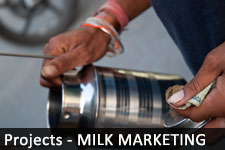
Better milk marketing can strengthen the incentive to keep healthy, productive buffalo. Transparent weighing, reliable collection, cold-chain access and fair prices for fat-rich milk would help families gain more value without forcing them into systems that demand expensive inputs.
Australian consumers are increasingly familiar with provenance, ethical sourcing and Indigenous land stewardship. The “farmgate” idea, regional branding and direct sales already shape parts of the Australian food market. Similar approaches could help communicate the value of Van Gujjar buffalo products while ensuring that income reaches pastoral households.
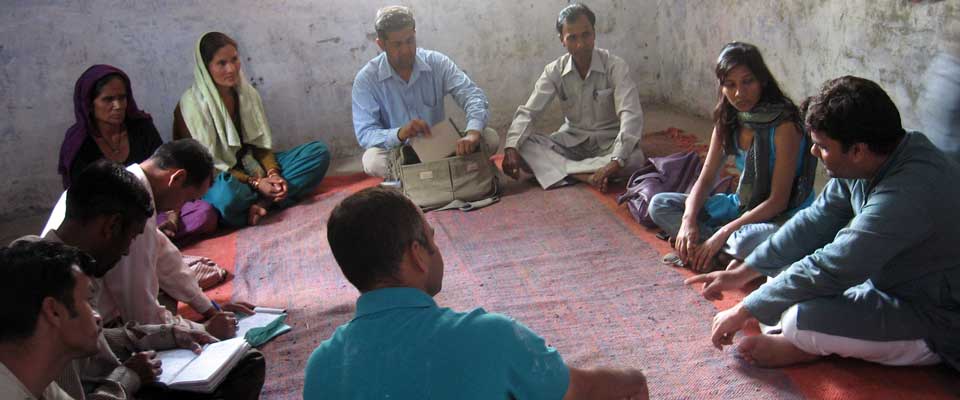
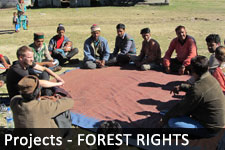
SOPHIA’s work with Van Gujjar and Himalayan village communities connects livestock practices with forest rights, domicile rights, social mobilisation and government engagement. Supporting that work helps protect both the animals and the landscapes that make this distinctive pastoral system possible.
Learn more about SOPHIA’s community-led programmes, share its work with Australian networks interested in Indigenous rights and sustainable agriculture, and explore practical ways to support secure grazing, resilient buffalo husbandry and fair milk livelihoods.