


Hydroelectric Development And Van Gujjar Grazing Lands
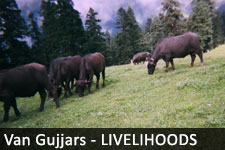
For Van Gujjar pastoral families, land is more than a fixed place on a map. Seasonal grazing grounds, forest paths, water sources, livestock shelters, and migration corridors form one connected livelihood system. Buffalo herding depends on moving between the foothills and higher forest areas as weather, fodder, and access conditions change.
Hydroelectric projects can alter this system even when a dam or power station occupies only a limited area. Reservoirs, access roads, tunnels, transmission lines, construction camps, and changes in river flow may divide customary routes and reduce available pasture. The effects are felt through household income, animal health, food security, and cultural continuity.
The issue is closely tied to forest rights, domicile rights, environmental safeguards, and meaningful participation in public decisions. Understanding these connections is essential for fair development in the Himalayan region.
How Construction Changes Seasonal Movement
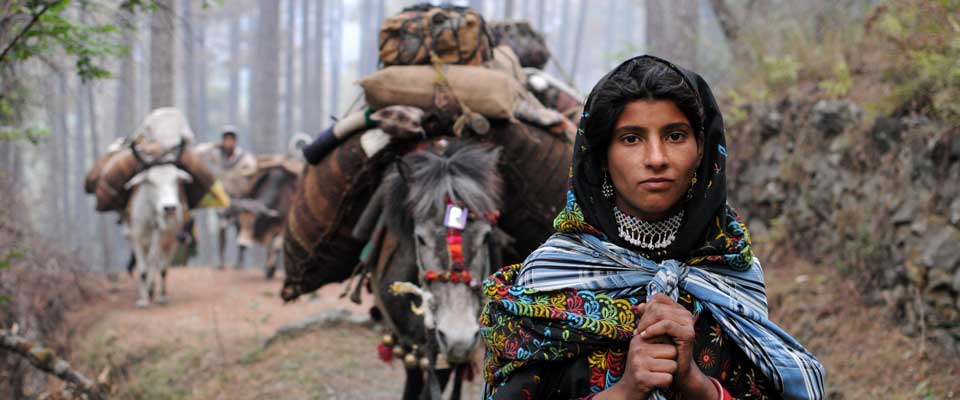
A hydropower project can interrupt routes that buffalo herders have used for generations. A new road may cut across a migration trail, while fencing, blasting zones, security checkpoints, or construction traffic can make familiar passages unsafe. When a route becomes inaccessible, families may need to take longer paths or remain in crowded areas with limited fodder.
These disruptions can also affect timing. Delayed movement may leave herds in lowland settlements after pasture quality has declined, or prevent them from reaching upland grazing areas before other pressures emerge. The history of Van Gujjar migration helps explain why seasonal mobility should be viewed as an established livelihood practice rather than temporary or informal movement.
Loss Of Pasture And Forest Resources
Reservoirs and associated infrastructure can permanently remove grasslands, riverbanks, forest clearings, and resting places. Even land outside the project footprint may become harder to use if access rules change or if construction restricts entry into surrounding forest compartments.
Reduced pasture increases dependence on purchased fodder. This raises household expenses at the same time that milk production may fall because animals receive less diverse or nutritious forage. Buffaloes also need reliable water and shade, so the loss of small streams, wetlands, and wooded areas can have consequences beyond the direct loss of grazing acreage.
Water, Livestock, And Household Income
River regulation may change the availability and quality of water used by people and animals. Sudden releases, altered flow patterns, sediment changes, and polluted construction runoff can create risks along traditional river crossings and watering points. Families may have to travel farther to find safe water for large herds.
Milk marketing is particularly sensitive to these changes. Longer journeys, weaker animals, and disrupted collection routes can reduce the quantity and regularity of milk supplied to local buyers. Veterinary access may also become more difficult when roads are blocked or when communities are separated from their customary service points.
| Area of change | Likely pressure on Van Gujjar livelihoods | What responsible planning should address |
|---|---|---|
| Grazing land | Less fodder and greater herd congestion | Replacement pasture and secure access |
| Migration routes | Longer, unsafe, or blocked journeys | Protected corridors and safe crossings |
| Water sources | Reduced access or changed river conditions | Community water points and flow safeguards |
| Milk economy | Higher costs and irregular collection | Transport support and local procurement |
| Forest governance | Greater restrictions or unclear permissions | Recognition of customary and legal rights |
| Household security | Displacement and loss of income | Fair compensation and livelihood restoration |
Rights And Participation In Project Decisions
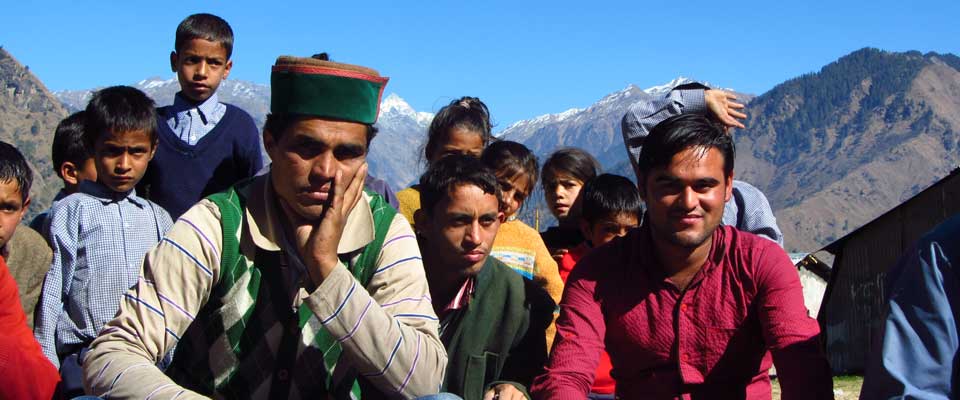
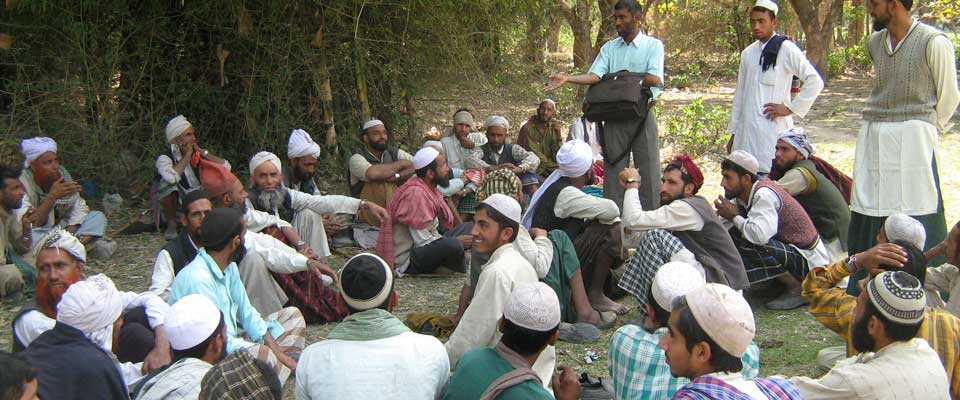
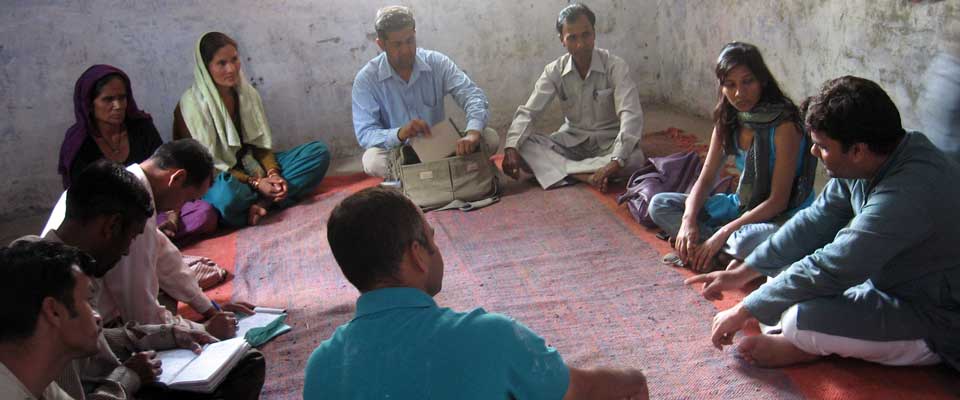
Consultation should begin before land acquisition, route marking, or construction begins. Meetings must be held in accessible locations and languages, with enough time for pastoral families to understand technical proposals and discuss their concerns. A single public hearing cannot replace sustained engagement with mobile communities.
Legal recognition is equally important. Forest rights processes, community claims, grazing permissions, and domicile documentation can influence whether affected households receive protection or compensation. Families without formal records may still possess long-standing customary relationships with forests and pasture, which project assessments should document rather than ignore.
Compensation Must Reflect Livelihood Loss
Cash payments for a small parcel of land may not compensate for the loss of a migration corridor, a watering point, or access to seasonal fodder. A meaningful assessment should consider livestock numbers, milk income, travel costs, lost workdays, cultural sites, and the future value of communal resources.
Restoration measures could include designated grazing areas, alternative routes, animal crossings, veterinary camps, fodder banks, and dependable milk collection services. Compensation should be transparent, timely, and monitored with community participation. Women’s roles in animal care, milk processing, and household decisions also need explicit recognition.
Community-Led Monitoring And Advocacy
Van Gujjar organizations can help document customary routes, pasture use, water sources, and seasonal changes through community mapping. This evidence gives families a stronger position during environmental assessments, forest rights claims, and negotiations with project authorities.
SOPHIA’s rights-based work offers a useful model for combining social mobilization, government engagement, advocacy, and partnerships with other civil society groups. Community monitoring can track dust, noise, water quality, access restrictions, blasting impacts, and promised mitigation measures, creating a record that is useful long after construction begins.
Priorities For Fairer Hydropower Planning
Project authorities, governments, and civil society partners should focus on practical protections before damage becomes permanent:
- Map Van Gujjar migration corridors and grazing areas with community participation.
- Guarantee safe access to pasture, water, forest routes, and livestock crossing points.
- Include pastoral livelihood losses in environmental and social impact assessments.
- Provide compensation and restoration packages designed around herding and milk marketing.
- Establish independent grievance systems with regular public reporting.
Hydropower can contribute to regional infrastructure without treating pastoral communities as an obstacle to development. Supporting Van Gujjar rights, buffalo husbandry, and sustainable grazing is a necessary part of responsible Himalayan planning. Visit SOPHIA’s work, share reliable information, and support partnerships that place affected communities at the center of decisions about their forests and future.