



The Van Gujjar Calendar of Feasts: Seasonal Rituals and Offerings
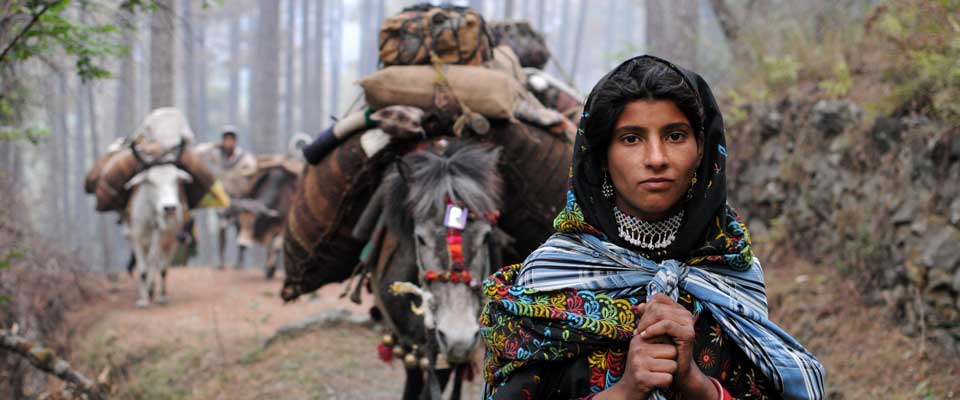
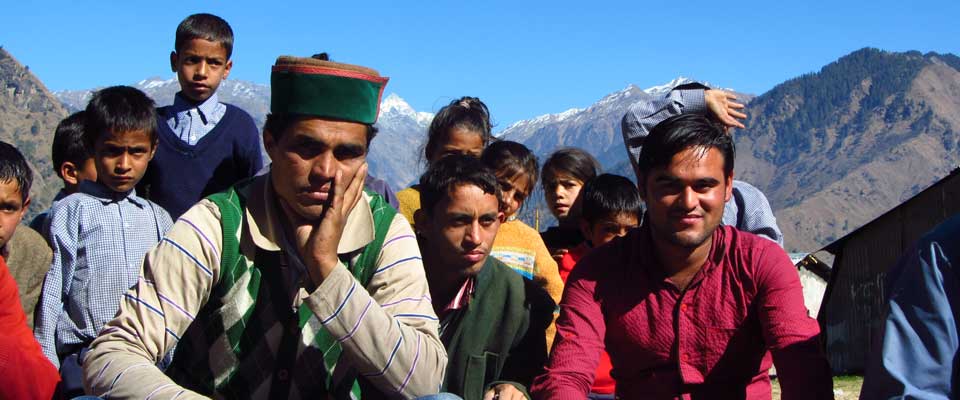
The Van Gujjar community moves with the Himalayan seasons, their year shaped by buffalo herds, forest rhythms, and highland meadows. For centuries, their transhumant life across Uttarakhand, Himachal Pradesh, and Uttar Pradesh has been organised around a living calendar of feasts that mark each shift in pasture, weather, and spiritual obligation. These celebrations are not merely social gatherings but rituals that reaffirm the relationship between people, animals, forests, and the unseen forces believed to govern them.
For readers in Australia, where seasons run in reverse and multicultural festivals colour the calendar from Sydney to Perth, the Van Gujjar rhythm offers a reminder that food, faith, and migration are universal human themes. Just as Australians might gather for a Christmas-in-summer barbecue or a winter solstice event, the Van Gujjars mark the monsoon with forest offerings and the autumn descent with communal feasting that ties families together across dispersed forest settlements.
Spring awakenings: the Bissu new year
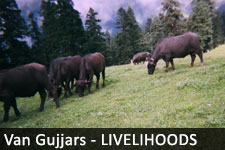
Bissu marks the start of the pastoral year and is celebrated as the community prepares to leave the lower foothills for the alpine meadows. Falling roughly between March and April, the festival honours the buffalo, which the Van Gujjars consider sacred and central to their identity. Women prepare milk-based sweets and men decorate the cattle with marigold garlands before the migration begins. Offerings of ghee and the first milk of the season are poured at forest shrines, asking for a safe passage upward and a productive grazing season.
The festival also signals the renewal of the bond between herders and forests. Elders recount stories of past migrations, teaching younger members the names of springs, sacred trees, and safe paths across the Shivalik hills. These oral histories carry practical survival knowledge alongside spiritual teaching, ensuring each generation inherits not only a route but a relationship with the land.
Highland summers: the Gairia festival
Once the Van Gujjars reach their summer settlements in the high bugyals and pine forests, Gairia becomes the central celebration of the warmer months. Held in July, Gairia coincides with the early monsoon and is a time of music, dance, and offerings to local mountain deities. Communities gather at clearings to perform the traditional drum dance, share buffalo milk products, and remember ancestors. The festival also serves as a social hub where families dispersed across distant pastures reconnect, exchange news, and arrange alliances, much like the regional shows and agricultural field days that bring rural Australians together in towns like Bendigo or Toowoomba.
During Gairia, the community prepares specific dishes that are rarely made at other times, including paneer curries flavoured with wild garlic and rotis cooked over open fires in the thin mountain air. Young people compete in traditional sports and singing contests, while elders adjudicate disputes and reaffirm customary laws. The combination of revelry and governance makes Gairia both a celebration and a council, reinforcing social cohesion far from any administrative centre.
Monsoon gratitude: forest offerings
The arrival of the monsoon transforms the Himalayan forests, bringing fresh grass for the herds and renewal of the understorey that sustains the community. Van Gujjars mark this abundance with quiet but meaningful rituals that often go unnoticed by outsiders. Small bundles of wild greens, milk, and roasted grains are left at the base of large trees and at streams believed to be guarded by spirits. These offerings express gratitude for the forest's generosity and reinforce the community's ethic of stewardship. For visitors familiar with the cultural protocols observed at events like the Garma Festival in northern Australia, the principle of giving back to country finds a clear parallel in these monsoon devotions.
Rainfall also determines the success of the buffalo herds, and prayers during this season focus on healthy calves and abundant milk. Women craft small clay figurines of cattle that are placed near streams, symbolically linking the welfare of the animals with the flow of water. Such practices reflect a worldview in which humans, animals, and landscape share a single spiritual economy.
Autumn descent: harvest and homecoming
By October, when the high meadows begin to frost, the Van Gujjars prepare for their return to the lower Shivalik foothills. The autumn period is associated with millet and rice harvesting from small forest clearings, and the first harvests are celebrated with shared meals that distribute the yield across the community. Families compare notes on the grazing season, repair tools, and brew jaggery-based sweets for the journey. The season also brings rituals that honour the forests that sheltered the herds, acknowledging the reciprocal bond that allows pastoral life to continue.
Autumn is also a time of preparation for the social calendar ahead. Mothers mend wedding garments, fathers repair shelter, and elders begin planning visits to relatives in the winter villages. The first cold nights are marked by fires built from dried dung and pine needles, around which songs are sung to guide the community safely back to their winter homes.
Winter gatherings: melas and marriages
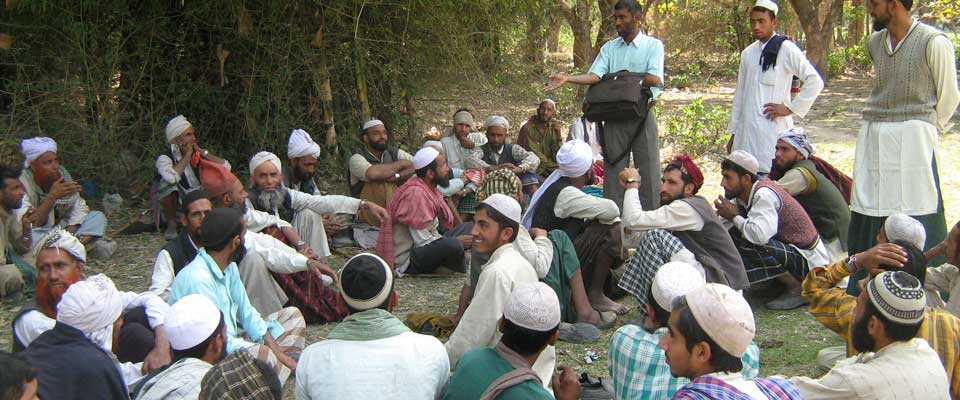
Winter is the social heart of the Van Gujjar year. With the herds settled near the foothills, communities gather at regional melas, or fairs, that have taken place for generations. These events blend trade, religious observance, and marriage arrangements, making them one of the most important opportunities for young people to meet. Bride and groom families exchange gifts of milk, ghee, and woven cloth, while elders negotiate alliances that strengthen the social fabric across settlements. In scale and significance, these winter melas resemble the community spirit of Australian country shows, where livestock judging, music, and family reunions converge over a single festive weekend.
Yet the ability to gather openly depends on recognition of the community's presence in the forests. Learning why domicile rights matter helps explain why such gatherings remain politically significant, since the legal right to live in and pass through ancestral lands underwrites every song, marriage, and feast that takes place during the cold months.
Meaningful ways to engage with the calendar
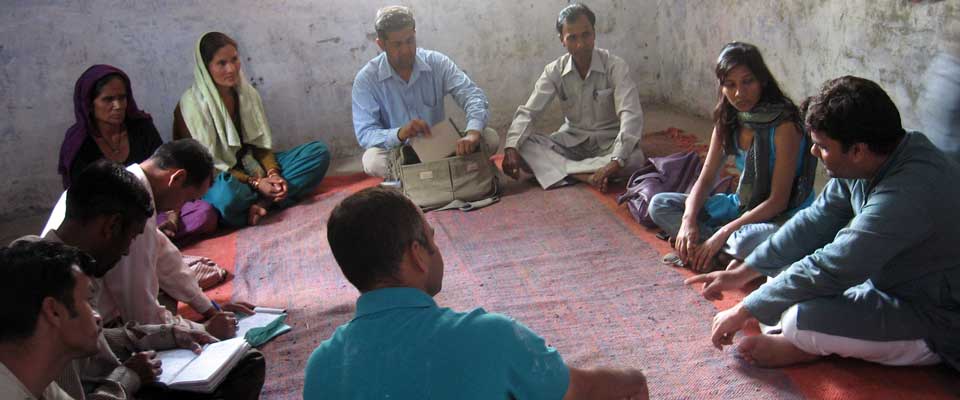
- Partner with SOPHIA to document seasonal rituals alongside community elders, ensuring oral histories are recorded by the people who hold them.
- Support sustainable buffalo husbandry projects that strengthen the economic base for families observing traditional feasts.
- Advocate for forest and domicile rights in international forums where Himalayan pastoralists are rarely heard.
- Contribute to cultural preservation funds that help communities host Gairia and winter melas without commercial compromise.
- Share stories of the Van Gujjar calendar with Australian audiences, drawing parallels to local multicultural festivals in cities like Melbourne and Adelaide.
Across the Indian Himalayas and the Australian bush, the work of honouring seasonal knowledge feels urgent and shared. If you feel drawn to walk alongside SOPHIA and the Van Gujjar communities, explore the projects and donation pathways on the SOPHIA website, and add your voice to a global chorus that believes indigenous calendars deserve to keep turning for generations to come.