





Why Domicile Rights Matter for Indigenous Communities
For indigenous and pastoral communities, belonging to a place is more than an address on an official form. It can determine access to education, healthcare, public distribution systems, employment opportunities, land and forest protections, and political participation. When government records fail to reflect a community’s long-standing connection to its homeland, families may be treated as outsiders in the places where they have lived for generations.
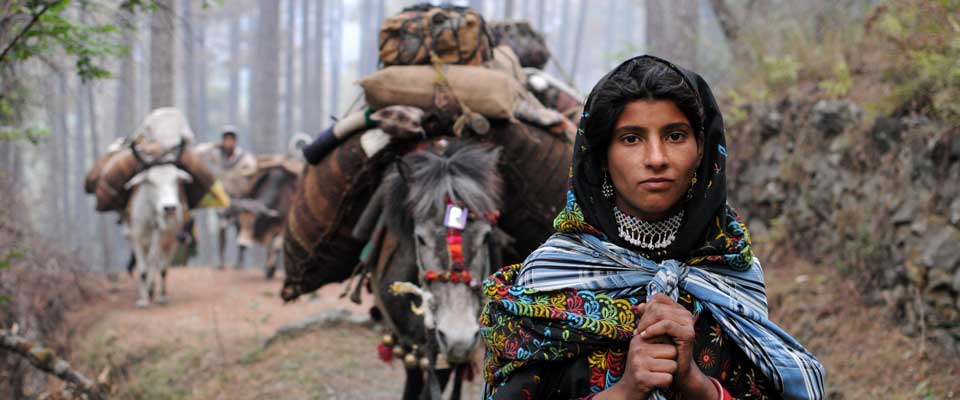
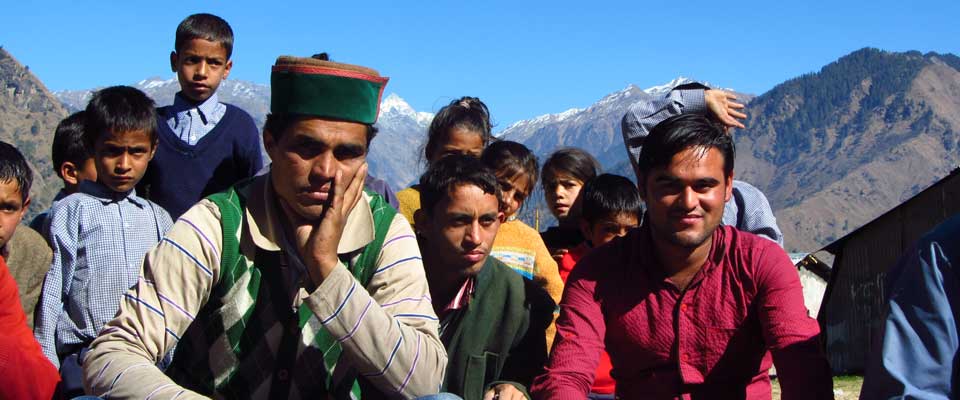
This concern is especially significant for Van Gujjar and Himalayan village communities across Uttarakhand, Himachal Pradesh, and Uttar Pradesh. Seasonal movement with buffalo herds, settlement in forest areas, and limited access to formal paperwork can make conventional proof of residence difficult to obtain.
Domicile rights help connect lived identity with public recognition. They support fair access to services while strengthening community voice in decisions about forests, pastoral routes, settlement, and local development.
Domicile is more than proof of residence
A domicile certificate generally confirms a person’s long-term association with a state or region. Requirements and benefits vary by state, but the document may be requested for admissions, scholarships, public employment, welfare schemes, and other administrative services. It is different from citizenship, caste certification, or recognition under forest rights legislation, although these documents may work together.
For mobile pastoralists, a fixed-address system can create unfair barriers. A family may spend part of the year in a forest settlement and another part near seasonal grazing grounds. Officials may interpret movement as a lack of residence, even when the community’s relationship with the landscape is historic and economically essential.
Mobile livelihoods need flexible recognition
Van Gujjar livelihoods depend on buffalo husbandry, access to pasture, forest produce, and milk markets. Seasonal migration is a livelihood strategy, not evidence that a family lacks roots. Domicile procedures should therefore recognize customary residence, community testimony, local records, and other credible forms of evidence alongside conventional documents.
Flexible systems can also reduce repeated travel to distant offices. When applications require multiple visits, families lose workdays, incur transport costs, and may need intermediaries. Local camps, mobile documentation teams, clear information in accessible languages, and time-bound decisions can make rights meaningful rather than theoretical.
Links with forest and indigenous rights
Residence recognition is closely connected to forest governance. Communities that can demonstrate sustained ties to a landscape are better positioned to participate in consultations, claim eligible rights, and challenge exclusionary decisions. Domicile documentation should never replace collective forest rights or customary tenure, but it can help public agencies identify the people affected by conservation, infrastructure, and relocation policies.
A rights-based approach also requires respect for community institutions. SOPHIA’s guiding principles emphasize dignity, participation, and empowerment—values that are essential when administrative systems engage with indigenous communities. Documentation should be developed with residents, rather than imposed without understanding their social and economic realities.
Public services depend on recognition
Without recognized residence, children may face difficulties enrolling in schools or applying for scholarships. Adults may struggle to access healthcare schemes, ration services, identity documents, housing support, or local employment programs. These gaps can deepen poverty and encourage dependence on informal brokers.
Domicile access also affects the future of young people. A student who has the required certificates can pursue higher education or state-level opportunities without repeatedly proving that their family belongs in the region. For women and girls, independent documentation can strengthen access to welfare services, banking, education, and protection programs.
| Area of life | Possible effect of domicile recognition | Common barrier |
|---|---|---|
| Education | School admission, scholarships, and fee support | Lack of birth or residence records |
| Livelihoods | Eligibility for local schemes and employment | Seasonal mobility |
| Healthcare | Easier access to public health services | Unclear administrative jurisdiction |
| Forest governance | Stronger participation in local decisions | Exclusion from consultation processes |
| Political voice | Better connection with local institutions | Incomplete voter and household records |
Administrative fairness requires community participation
Officials need practical guidance for assessing claims from pastoral and forest-dwelling families. Acceptable evidence might include panchayat records, school registers, ration documents, health records, community statements, land or forest-related materials, and verified local testimony. No single document should automatically disqualify a family when several credible sources establish a long-term connection.
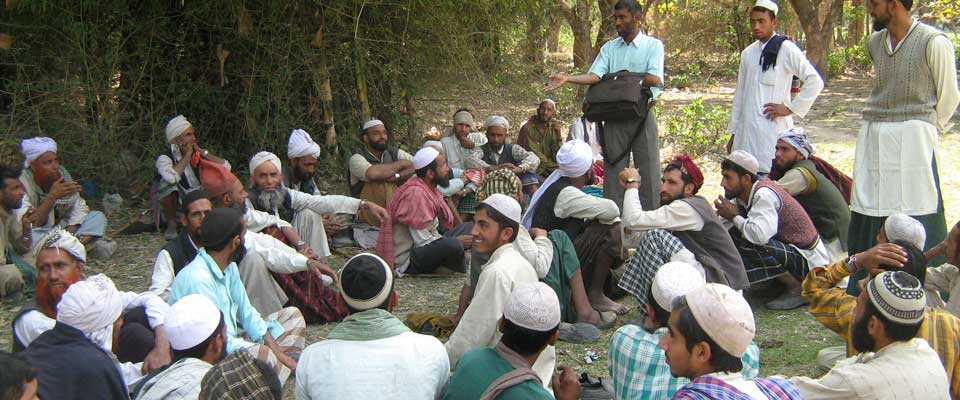
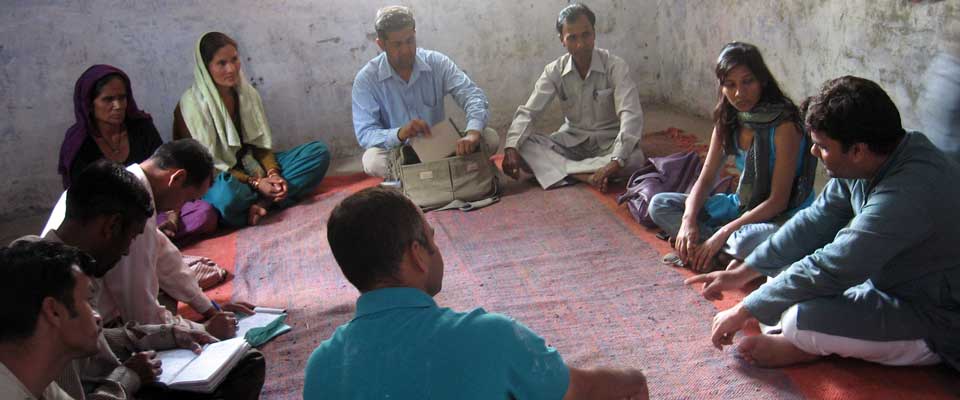
Community organizations can help residents understand procedures, prepare applications, track decisions, and document recurring obstacles. Government engagement is equally important. District administrations, panchayats, forest departments, and welfare offices should coordinate so that one missing certificate does not block access to every other service.
Domicile policy must protect dignity
A domicile process can be useful only when it avoids discrimination. Authorities should not assume that poverty, illiteracy, nomadic movement, or forest residence means that a person has no legitimate home. Nor should documentation be used to weaken indigenous claims, force assimilation, or justify displacement.
The strongest approach combines legal recognition with social safeguards. It records residence while respecting customary mobility, protects access to forests and grazing areas, and gives communities a meaningful role in decisions that affect them.
Practical priorities for stronger access
- Hold regular documentation camps in remote settlements and seasonal migration areas.
- Accept multiple forms of evidence, including community verification and local institutional records.
- Provide application support in languages and formats that residents can understand.
- Coordinate domicile services with forest rights, identity, education, healthcare, and welfare programs.
- Publish clear timelines, appeal options, and responsible officials for every application.
Recognizing domicile rights is a step toward equal citizenship in practice. It allows indigenous communities to be seen by public institutions without forcing them to abandon their livelihoods, mobility, or cultural identity. Support rights-based work with Van Gujjar and Himalayan communities by learning from local voices, sharing reliable information, and partnering with organizations working for forest, domicile, and pastoral rights.