




Van Gujjars And Settled Farming Communities In Shared Landscapes
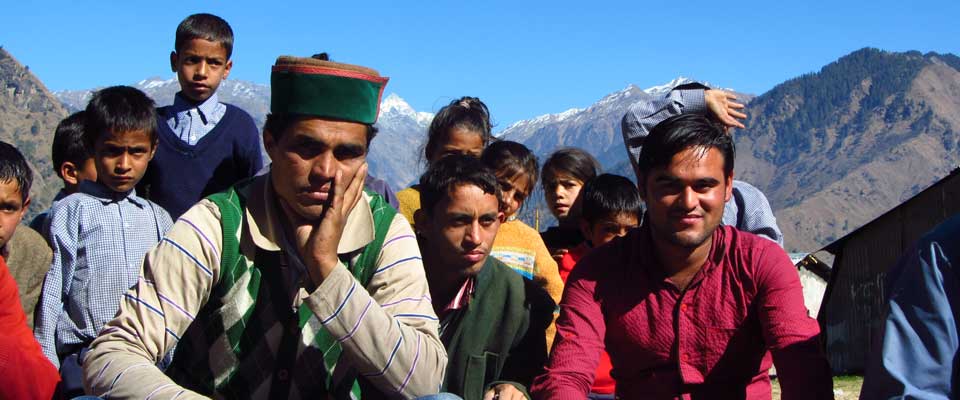
Across the Himalayan foothills, Van Gujjar pastoralists and settled farming communities depend on many of the same forests, grasslands, rivers, roads, and local markets. Their livelihoods may follow different rhythms, yet both groups are shaped by changing land policies, climate pressure, wildlife protection, and access to public services.
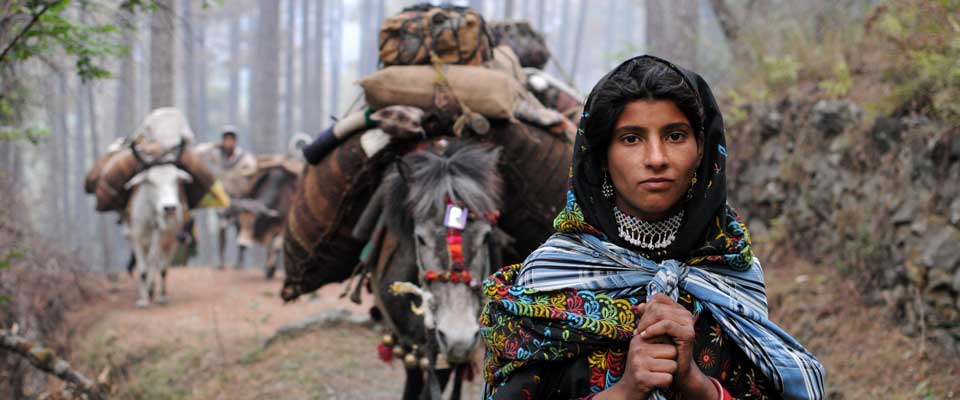
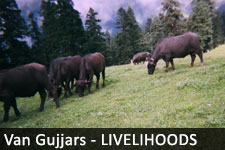
Van Gujjars traditionally move with their buffalo herds between seasonal grazing areas, while farming families cultivate fields and maintain permanent homes. This difference can create misunderstandings, but it also creates opportunities for exchange. Milk sales, fodder access, wage work, transport, and local trade often connect the two communities more closely than formal descriptions suggest.
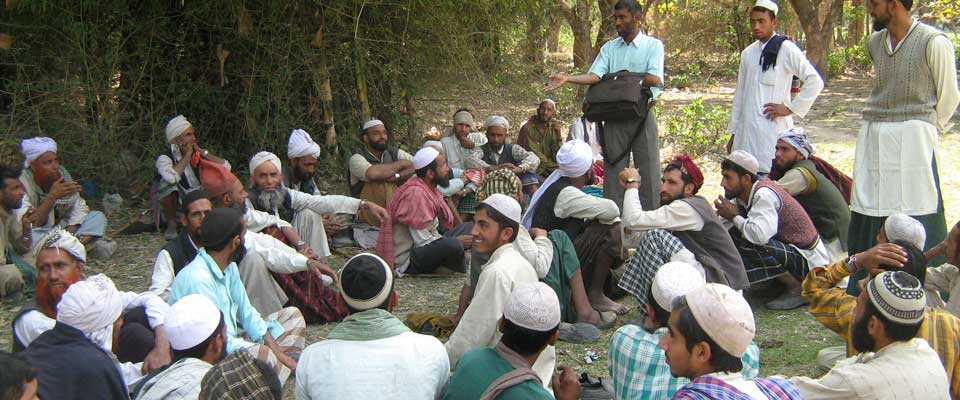
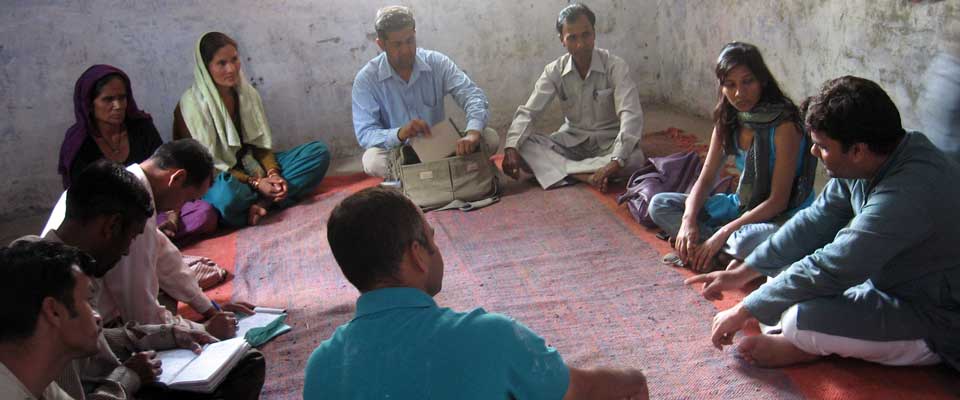
A fair relationship depends on recognizing mobility and settlement as equally valid ways of living. It also requires dialogue that includes women, young people, elders, landless households, and community representatives rather than relying only on officials or influential intermediaries.
Different livelihoods, shared dependence
Van Gujjar households rely heavily on buffalo husbandry, forest resources, seasonal migration, and milk marketing. Their knowledge of grazing routes, water sources, animal health, and forest conditions has developed over generations. Settled farmers depend on cultivated land, irrigation, livestock, village commons, and nearby forests for fuel, fodder, and supplementary income.
These systems often overlap. Pastoral families may purchase grain and household goods from villages, while farmers may buy milk, manure, or animals from Van Gujjars. During periods of drought, crop failure, or disease, cooperation between livestock keepers and cultivators can strengthen food security for everyone.
Mobility and village life
Seasonal movement is sometimes viewed as a source of uncertainty by settled communities. Herds may pass through cultivated areas, use common water points, or rest near village boundaries. When routes are blocked or customary grazing areas are reduced, tensions can grow quickly, especially during planting and harvesting seasons.
Van Gujjars, in turn, may experience suspicion when their customary presence is treated as temporary or unauthorized. Clear communication about migration dates, grazing boundaries, crop protection, and water use can prevent many disputes. Local agreements are most effective when they reflect actual community practices and are recorded in forms that people can understand and use.
Trade creates practical connections
Milk is one of the strongest links between pastoral and settled economies. Van Gujjar producers may sell fresh milk directly to village households, tea shops, traders, or collection centers. Settled communities provide access to markets, roads, veterinary services, schools, and repair facilities that mobile families may not reach easily.
Fair prices and reliable collection systems matter. When producers lack cold storage, transport, or bargaining power, intermediaries can determine prices and weaken household income. Cooperative marketing, transparent weighing, animal health camps, and better links to dairy institutions can support both producers and consumers while preserving the value of traditional buffalo-based livelihoods.
Rights and recognition shape trust
Land and forest policies have a direct effect on relations between pastoralists and farming communities. When Van Gujjars are excluded from customary forests or denied recognition of forest and domicile rights, their movement becomes more difficult and local competition can intensify. Community-level conflict is often a symptom of decisions made without adequate consultation.
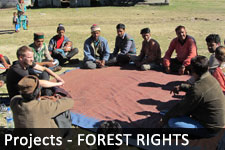
Legal awareness and collective advocacy can help communities engage with government institutions more effectively. The forest rights case in Himachal Pradesh illustrates why recognition, documentation, and participation matter for forest-dependent people. Rights-based work should also acknowledge the concerns of settled farmers, including crop protection, access to commons, and secure livelihoods.
Where cooperation can grow
The relationship between Van Gujjars and settled farming communities becomes stronger when practical interests are addressed alongside cultural understanding. Shared institutions can help communities negotiate access to resources, report problems, and coordinate with block officials, forest departments, veterinary services, and local elected bodies.
| Area of cooperation | Benefit for Van Gujjar families | Benefit for settled villages |
|---|---|---|
| Milk collection | More dependable income and fairer prices | Local access to fresh milk |
| Veterinary outreach | Healthier buffaloes and lower treatment costs | Reduced risk of livestock disease |
| Water management | Safer access along seasonal routes | Less pressure on village water points |
| Fodder planning | Better support for mobile herds | Protection of cultivated fields |
| Local dialogue | Fewer disputes over movement and land | Clearer communication and shared solutions |
Partnerships are more durable when they build on existing relationships rather than imposing a single model of development. NGOs, village institutions, and public agencies can facilitate meetings, but communities should help define the rules, priorities, and methods of accountability.
Principles for a fair partnership
A constructive approach should respect customary knowledge while addressing legitimate concerns about crops, conservation, public health, and resource use. The following practices can support trust across seasonal and permanent settlements:
- Recognize pastoral mobility as a livelihood system, not a temporary inconvenience.
- Create village-level agreements on grazing routes, water points, and crop protection.
- Include Van Gujjar women and youth in discussions about services, markets, and rights.
- Improve access to veterinary care, identity documents, education, and social protection.
- Use mediation and documented dialogue before disputes become police or court matters.
SOPHIA’s rights-based work can help connect community experience with government engagement, legal advocacy, and sustainable livelihood planning. Such efforts are most meaningful when they strengthen local decision-making and ensure that development does not erase indigenous identity or customary practice.
A future of cooperation is possible when pastoralists and farmers are treated as partners in managing shared Himalayan landscapes. Support community-led initiatives, learn from local knowledge, and engage with organizations working to protect forest rights, sustainable livelihoods, and dignity for all communities.