





The legal battle for forest dweller rights in Himachal Pradesh
Across Himachal Pradesh, forests are homes, grazing landscapes, cultural spaces, and sources of food and income. For indigenous and pastoral communities, access to these areas is often based on customary use rather than formal land titles. This creates a serious gap between lived rights and official records.
The Forest Rights Act, 2006 offers a legal pathway to address that gap. It recognizes the rights of forest-dwelling Scheduled Tribes and other traditional forest dwellers, including community access, grazing, seasonal resource use, and habitation. Yet recognition depends on a complex process involving evidence, local institutions, revenue authorities, and forest departments.
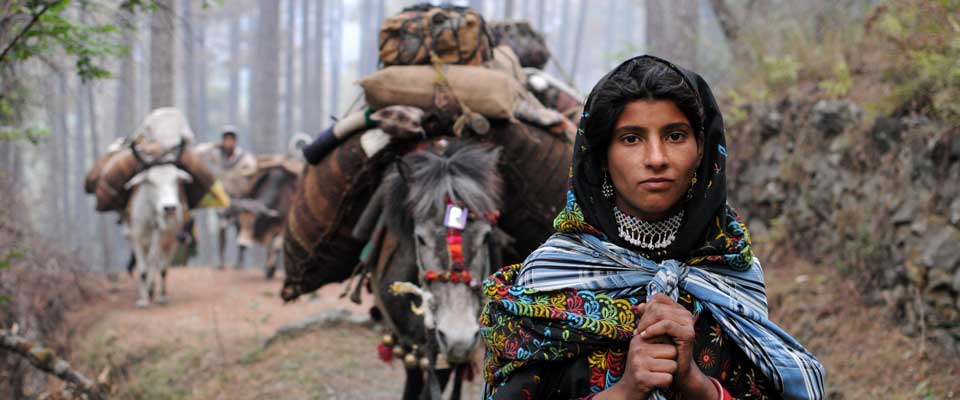
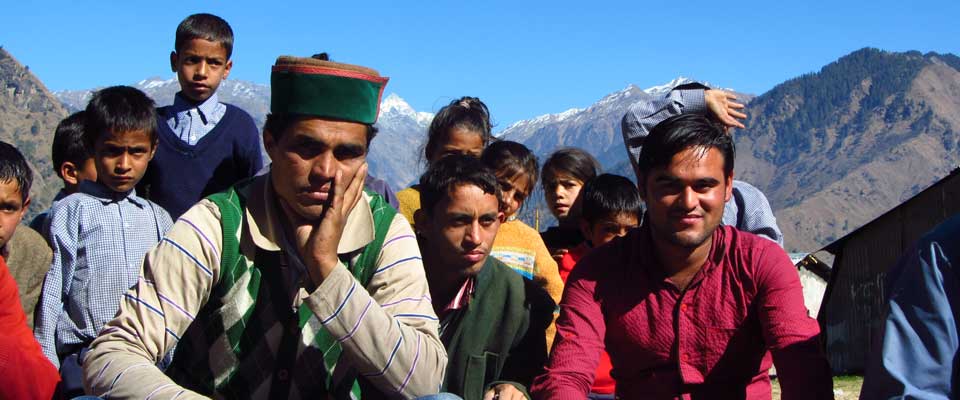
For Van Gujjar families and Himalayan village communities, the issue is closely connected with mobility, buffalo husbandry, forest produce, water access, and secure livelihoods. The legal struggle is therefore about much more than land ownership. It concerns dignity, cultural continuity, due process, and a meaningful role in conservation.
Why forest rights remain contested
Many families have used forest landscapes for generations without receiving written documentation. Their evidence may include oral histories, migration routes, tax receipts, customary boundaries, statements from elders, satellite images, or records held by local institutions. Such evidence can be difficult to assemble, especially for mobile pastoralists whose lives do not fit settled landholding systems.
Conflicts also arise when customary use is treated as encroachment. Eviction drives, restrictions on grazing, exclusion from protected areas, and competing claims over forest land can weaken household income and disrupt traditional buffalo-rearing systems. When communities lack information about the law, they may be unable to file claims or challenge an unfair rejection.
What the law recognizes
The Scheduled Tribes and Other Traditional Forest Dwellers (Recognition of Forest Rights) Act, 2006 recognizes individual and community forest rights. These may include habitation, self-cultivation, grazing, collection of minor forest produce, access to seasonal resources, and community forest resource management. Section 3(1)(d) is especially relevant to nomadic and pastoralist communities because it addresses traditional seasonal access and grazing.
Eligibility and evidence requirements differ between Scheduled Tribes and other traditional forest dwellers. A claimant must generally show residence in and dependence on forest land before the statutory cut-off date of 13 December 2005. For other traditional forest dwellers, the law requires proof of residence and dependence for at least three generations, understood as 75 years before that date.
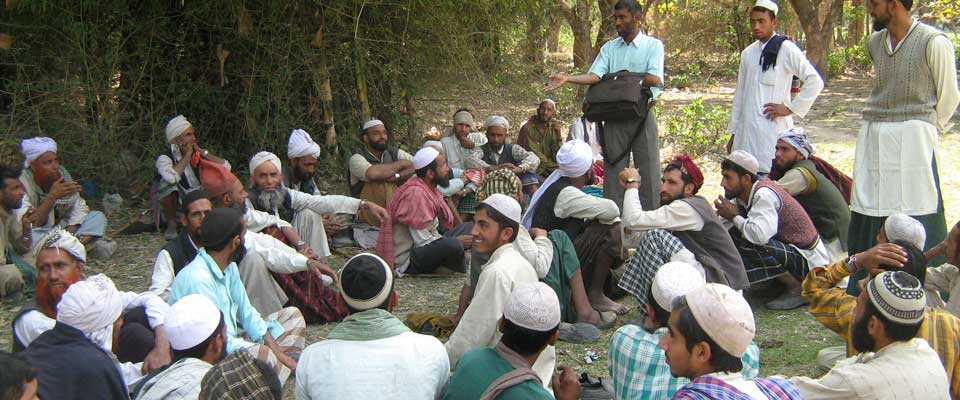
The Gram Sabha is central to the process. It receives and verifies claims through a Forest Rights Committee before forwarding them to the Sub-Divisional Level Committee and the District Level Committee. Claims should be assessed through a fair process, and rejection should provide reasons and allow an opportunity for appeal.
From a claim to legal recognition
A strong claim connects the community’s history with the specific right being requested. A grazing claim, for example, should identify the route, seasonal period, livestock practices, and evidence of long-term use. A community forest resource claim should explain the area’s ecological, cultural, and livelihood importance.
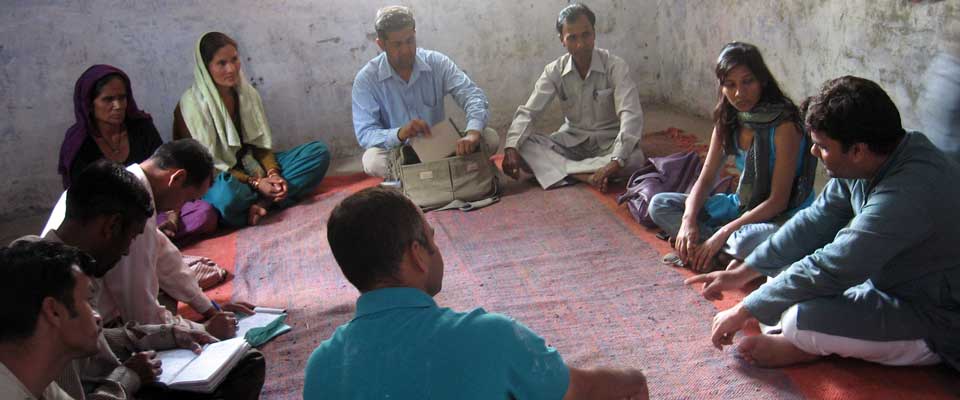
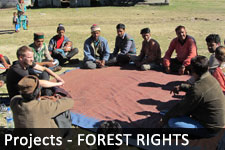
Community participation is essential at every stage. Women, elders, pastoralists, and families living in remote settlements may hold evidence that is overlooked in formal meetings. Maps prepared through participatory exercises can help record migration corridors, water points, pasture areas, collection sites, and customary boundaries.
| Rights issue | Useful evidence | Responsible forum |
|---|---|---|
| Seasonal grazing and pastoral access | Testimonies, livestock records, migration maps, customary practice | Gram Sabha and Forest Rights Committee |
| Community forest resource | Community map, use history, conservation practices, local resolutions | Gram Sabha |
| Habitation and cultivation | Residence records, voter lists, revenue documents, satellite evidence | Gram Sabha and Sub-Divisional Level Committee |
| Rejected or disputed claim | Rejection order, hearing record, supporting documents, witness statements | Appellate committee and legal support groups |
The particular position of pastoral communities
Van Gujjars and other mobile herders often cross administrative boundaries during seasonal movement. Their relationship with the forest may be measured through routes and recurring access rather than permanent houses or fenced plots. A narrow interpretation of residence can therefore exclude communities whose livelihood depends on mobility.
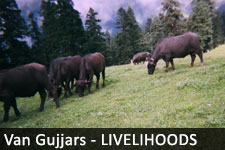
Buffalo husbandry also requires reliable access to fodder, water, and safe grazing areas. Restrictions that ignore these needs can increase costs, reduce milk production, and push families toward insecure wage labour. Recognizing pastoral rights can support both household resilience and sustainable management of grasslands and forest edges.
Legal recognition should not force communities to abandon their culture or settle in unsuitable locations. It should provide secure, accountable arrangements that respect customary use while addressing ecological limits and local conservation priorities.
Conservation and community authority
Forest protection and forest rights are often presented as competing objectives, but community stewardship can strengthen conservation. Local residents may possess detailed knowledge of fire patterns, water sources, wildlife movement, fodder cycles, and sustainable harvesting practices. Their participation can make forest governance more practical and responsive.
The law also places importance on the Gram Sabha and community forest resource management. This creates space for locally agreed rules on grazing intensity, seasonal access, fire prevention, restoration, and protection of sensitive habitats. Such rules are more likely to succeed when communities help design them and when restrictions are supported by transparent evidence.
Practical priorities for rights-based action
- Train Gram Sabhas and Forest Rights Committees on claim procedures, evidence standards, and appeal rights.
- Record seasonal migration routes, grazing corridors, water points, and customary resource areas through community mapping.
- Include women, pastoral households, elders, and remote hamlets in verification meetings and local resolutions.
- Preserve copies of claims, notices, maps, hearings, and decisions for future appeals and legal review.
- Build dialogue between communities, forest officials, panchayats, and conservation institutions before disputes become evictions.
Building a stronger legal record
Civil society organizations can help convert community knowledge into evidence that public authorities can recognize. Rights awareness camps, paralegal support, village documentation, and social mobilization can make the process less intimidating and more inclusive. Partnerships with researchers, lawyers, local governments, and other NGOs can also improve the quality of maps and records.
SOPHIA’s work with Van Gujjar and Himalayan village communities connects forest rights with sustainable pastoral livelihoods, buffalo husbandry, milk marketing, and community empowerment. Supporting this work helps ensure that legal recognition is grounded in the realities of people who depend on forests while contributing to their protection.
Visit SOPHIA’s project and community resources to learn about ongoing rights-based initiatives, share relevant knowledge, support field documentation, and strengthen the visibility of forest-dwelling communities in Himachal Pradesh and the wider Himalayan region.