






Maternal Health, Buffalo Milk, and Community Wellbeing
Maternal health is shaped by nutrition, healthcare access, household income, cultural practices, and the wider environment. During pregnancy and breastfeeding, women need reliable sources of protein, calcium, iron, iodine, folate, vitamin B12, and energy to support their own wellbeing and their child’s growth.
The link between maternal health and buffalo milk consumption is especially meaningful in communities where buffalo husbandry is part of everyday life. Milk can provide protein, calcium, vitamin B12, and fat, while buffalo ownership may also strengthen household food security and generate income through local milk sales.
Buffalo milk is richer and creamier than standard cow’s milk, with a higher fat and total solids content. That can make it useful in meals such as yoghurt, porridge, kheer, and other traditional foods. It also means portion size and the rest of the diet matter, particularly for women managing excessive weight gain, diabetes, or digestive discomfort.
For Australian readers, the subject connects with familiar questions about nutritional equity and regional access. A pregnant woman in Melbourne may have several fortified milk choices at the supermarket, while families in remote parts of the Northern Territory or Western Australia may face higher prices, limited fresh food, and long journeys to antenatal services.
Why Maternal Nutrition Matters
Pregnancy increases the need for several nutrients, but milk alone cannot meet those requirements. Buffalo milk contributes calcium and protein, while iron-rich foods, folate supplements, iodised salt, vegetables, legumes, eggs, meat, and wholegrains fill other nutritional gaps. Health professionals may also recommend specific prenatal supplements based on blood tests and individual circumstances.
Calcium supports the development of the baby’s bones and teeth and helps maintain the mother’s own bone health. Protein assists tissue growth and recovery. Vitamin B12 is important for blood formation and nervous system function, particularly for women who eat little or no animal food. These benefits are strongest when buffalo milk is part of a varied, balanced diet rather than treated as a complete solution.
Buffalo Milk In Household Food Systems
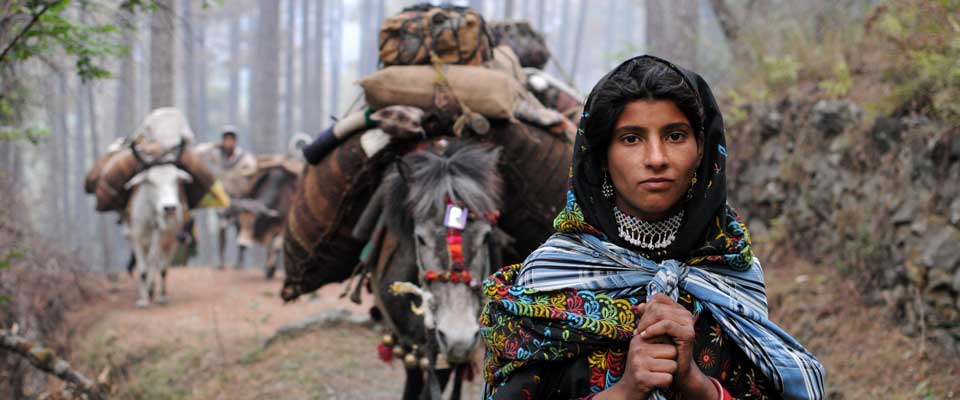
In Himalayan and forest communities, buffaloes can provide more than a daily beverage. They may supply milk for household consumption, manure for agriculture, and a saleable product that helps pay for medicines, school costs, transport, or antenatal appointments. Women are often central to feeding, milking, processing, and marketing animals, making livestock ownership closely connected to their economic agency.
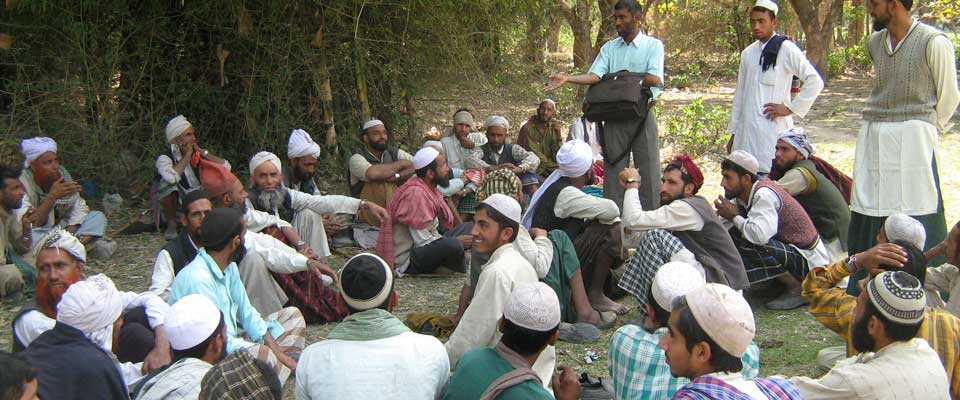
SOPHIA’s work with Van Gujjar and village communities reflects this broader relationship between livelihoods, rights, and health. The organisation’s forest rights work is relevant because secure access to forests and grazing areas can influence whether pastoral families can maintain buffalo herds and obtain nutritious food.
Safe Consumption During Pregnancy
Pregnant women should consume pasteurised buffalo milk or milk that has been safely boiled according to local health guidance. Raw milk can carry harmful bacteria, including organisms that pose serious risks during pregnancy. In Australia, products sold through regulated channels are generally pasteurised, but raw milk sold as a health product is unsafe to drink.
Food safety also includes clean milking equipment, safe water, refrigeration, and protection from cross-contamination. Fresh milk that has been boiled should be stored correctly and used promptly. Fermented products such as yoghurt can be nutritious, but they should be prepared with pasteurised milk and kept chilled.
Choosing The Right Amount
Buffalo milk’s higher fat content may help meet energy needs where food is scarce, yet it can also be very rich. A woman with gestational diabetes, nausea, reflux, or difficulty digesting high-fat foods may need a different choice. A midwife, doctor, dietitian, or Aboriginal health worker can help adapt meals to her needs.
Australian dietary advice commonly encourages reduced-fat dairy choices for many adults, but pregnancy nutrition should be individualised. A woman in Sydney or Brisbane who already receives adequate energy from food may not benefit from large quantities of full-cream buffalo milk. The appropriate serving depends on overall diet, activity, medical history, and local availability.
Supporting Mothers Through Community Action
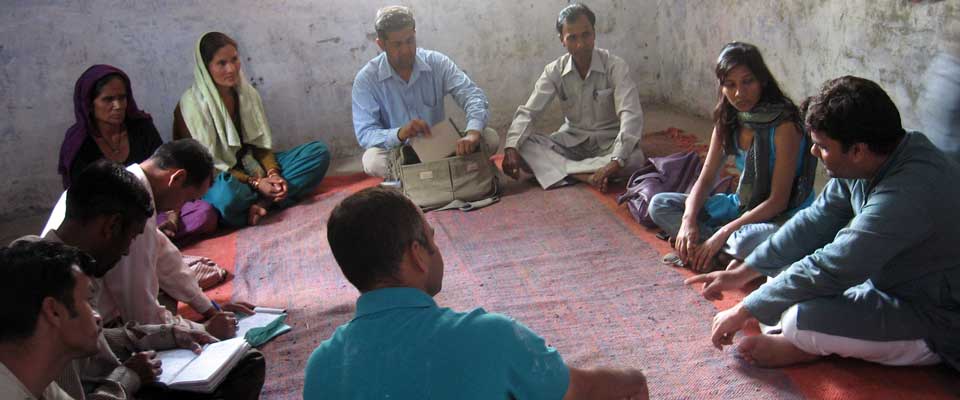
Nutrition improves when families have secure livelihoods, clean water, transport, respectful healthcare, and a voice in decisions affecting land and services. Community-based projects can connect maternal education with animal health, milk hygiene, women’s groups, and government health programmes.
Lessons from Indian pastoral communities also have relevance for Australia, where remote Aboriginal communities may experience food insecurity, high transport costs, and limited access to specialist maternity care. Partnerships between local organisations, health services, farmers, and community leaders can make advice practical and culturally appropriate rather than relying on generic messages.
Practical Ways To Promote Healthy Milk Use
- Encourage pasteurised or safely boiled buffalo milk during pregnancy.
- Pair milk with iron-rich foods such as lentils, leafy greens, eggs, or meat.
- Support women’s control over livestock income and household nutrition decisions.
- Include milk hygiene, refrigeration, and clean equipment in community training.
- Refer pregnant women to qualified midwives, doctors, dietitians, or Aboriginal health workers.
- Strengthen local milk marketing so families can access nutritious products without sacrificing household essentials.
Maternal wellbeing grows from dependable food systems and community power. Supporting buffalo husbandry, women’s knowledge, safe milk practices, and secure pastoral livelihoods can help families protect nutrition across generations. Learn more about SOPHIA’s community programmes, partnerships, and opportunities to support rights-based development through its website.