





The Fight for Forest Rights in Uttarakhand
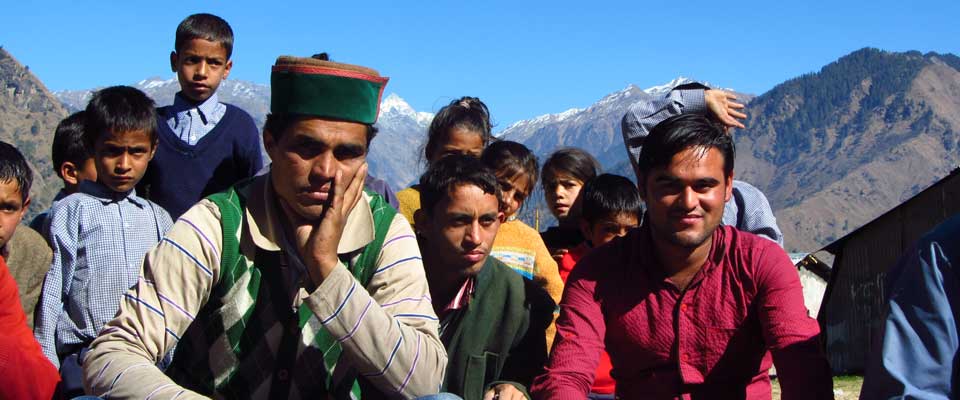
Across Uttarakhand’s forests, access to land, grazing routes, water sources, and seasonal settlements is closely tied to community survival. For Van Gujjar pastoralists and Himalayan village families, forests are living landscapes that provide fodder, fuel, food, shelter, and income.
Yet many forest-dependent communities have faced restrictions, displacement, and uncertainty over their traditional rights. The struggle is shaped by conservation policies, unclear land records, development projects, and limited recognition of customary use.
Forest rights are therefore more than a legal question. They concern dignity, cultural identity, sustainable livelihoods, and the ability of communities to participate in decisions affecting their homes and resources.
Why Forest Rights Matter
The Forest Rights Act, 2006, created a legal framework for recognizing the rights of forest-dwelling communities. It acknowledges individual and community rights, including access to minor forest produce, grazing, seasonal movement, and the protection of customary habitats.
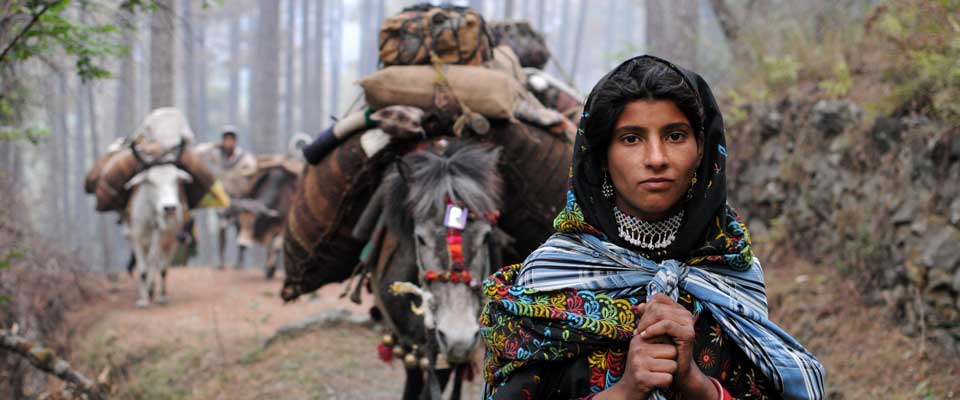
In Uttarakhand, these provisions are especially important for pastoral groups whose livelihoods depend on mobility. Van Gujjars traditionally move with their buffalo herds between forest areas and seasonal settlements, following ecological cycles rather than fixed agricultural boundaries.
When these practices are treated as unauthorized occupation, families can lose access to essential grazing grounds and face pressure to abandon their traditional way of life. Recognizing rights can help align conservation with community stewardship.
Van Gujjar Communities And Seasonal Mobility
Van Gujjar society has developed around buffalo husbandry, dairy production, and movement through forest landscapes. Their knowledge includes pasture conditions, water availability, animal health, and the responsible use of forest resources.
Seasonal migration is often misunderstood as a sign that communities lack permanent ties to a place. In reality, pastoral routes, resting points, burial grounds, and settlement areas can carry deep historical and cultural significance.
Rights-based support helps communities document these connections and present them through collective processes. It also strengthens their position when negotiating with forest departments, local administrations, and conservation authorities.
From Customary Use To Legal Recognition
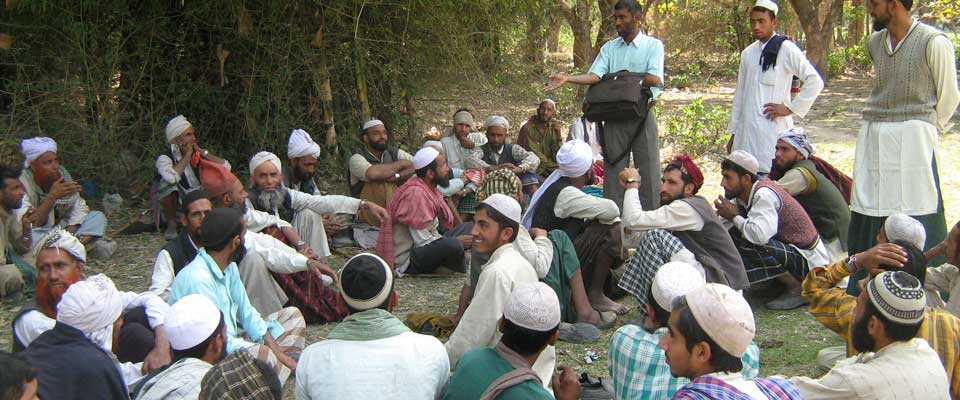
Forest rights claims require evidence, organization, and participation. Community members may need to gather testimonies, old documents, maps, tax records, photographs, and other proof of residence or traditional use. Gram sabhas play a central role in reviewing claims and forwarding them through the legal process.
For families seeking secure recognition of their village and settlement rights, domicile rights support can be an important part of wider community advocacy. Legal identity and domicile documentation often affect access to education, welfare schemes, public services, and political participation.
The process can be difficult where records are incomplete or where communities have limited access to legal information. Local mobilization, clear communication, and sustained engagement with officials are essential for preventing claims from being rejected without proper consideration.
| Community concern | Why it matters | Rights-based response |
|---|---|---|
| Seasonal grazing routes | Supports buffalo husbandry and household income | Recognition of community and pastoral access |
| Forest settlement security | Protects homes and cultural continuity | Evidence-based claims and habitat rights |
| Access to water and fodder | Maintains livestock health and food security | Community planning and shared resource protection |
| Domicile documentation | Opens access to services and entitlements | Administrative assistance and advocacy |
| Participation in conservation | Builds trust and protects ecosystems | Gram sabha involvement in local decisions |
Conservation And Community Stewardship
Protected areas and forest reserves are often presented as separate from human habitation. However, many landscapes have been shaped by generations of careful use. Pastoralists can contribute to ecological knowledge, fire prevention, pasture management, and the monitoring of changing environmental conditions.
Conflict emerges when conservation is designed without consulting the people who depend on the landscape. Evictions or rigid restrictions may disrupt livelihoods without addressing wider pressures such as commercial extraction, infrastructure expansion, or climate change.
A community-centered model does not mean unlimited resource use. It means combining ecological safeguards with fair rules, local accountability, and recognition of legitimate rights. Such an approach can make conservation more durable and socially just.
Building Collective Voice
Individual families may struggle to approach government offices, understand procedures, or challenge an adverse decision. Collective action gives communities greater confidence and makes it easier to identify shared priorities.
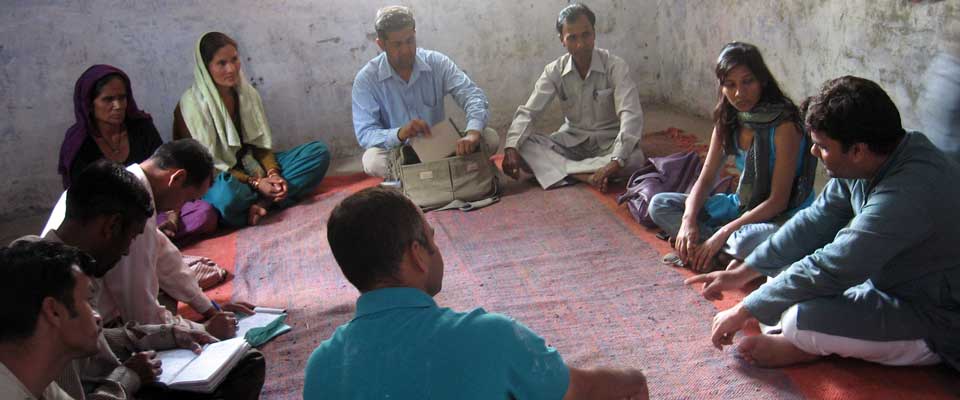
Organizations such as SOPHIA work with Van Gujjar and Himalayan village communities through social mobilization, advocacy, rights education, and engagement with public institutions. Partnerships among local groups, civil society organizations, and legal support networks can help turn isolated concerns into organized campaigns.
Women’s participation is also vital. Women contribute substantially to livestock care, dairy production, household management, and the collection of forest resources. Their involvement in village meetings and rights committees leads to more complete and representative decisions.
Practical Priorities For Rights Campaigns
Effective forest rights work combines legal recognition with livelihood support and community leadership. The following priorities can strengthen local efforts:
- Document customary forest use, seasonal routes, settlement history, and community institutions.
- Support gram sabhas with accessible information about claims, appeals, and decision-making powers.
- Link forest rights advocacy with buffalo health services, dairy marketing, and sustainable pastoral livelihoods.
- Ensure women, youth, and marginalized households participate in consultations and monitoring.
- Encourage regular dialogue between communities, forest officials, local government, and conservation groups.
A Shared Future For Uttarakhand’s Forests
The fight for forest rights in Uttarakhand is a demand for recognition and accountable governance. Communities should not have to choose between protecting nature and preserving their homes, livelihoods, and identity.
A fairer future depends on implementing existing laws, improving administrative transparency, and treating indigenous knowledge as a valuable part of environmental stewardship. It also requires sustained public attention to claims that have remained unresolved for years.
Support rights-based work by learning from forest communities, sharing accurate information, strengthening local organizations, and contributing to initiatives that advance secure livelihoods and democratic participation. When communities have a meaningful voice in decisions about their forests, both people and ecosystems gain a stronger future.