




The history of Van Gujjar migration into the Shivalik Hills
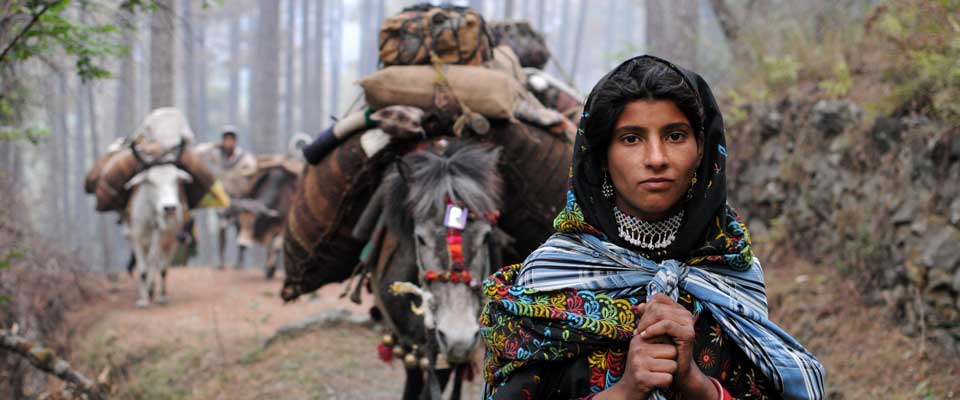
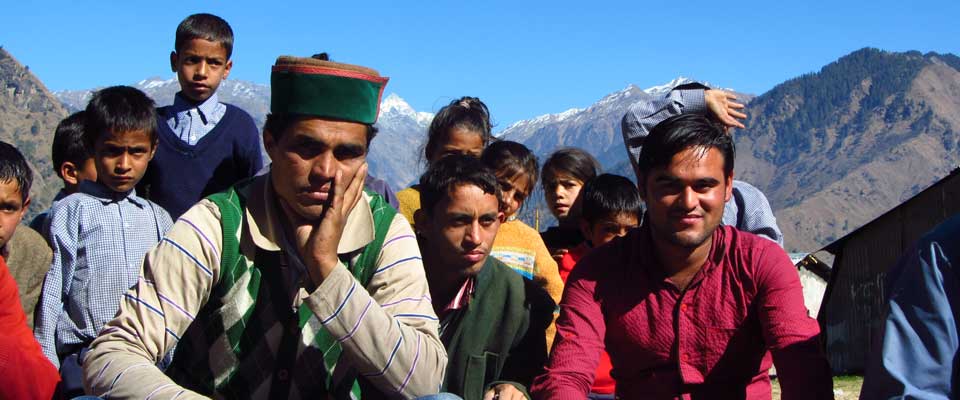
The Van Gujjars are a pastoral community whose seasonal movement has shaped the forests and foothills of northern India for generations. Their migration routes connect the high Himalayan meadows with the Shivalik Hills, where families traditionally spend the winter with their buffalo herds.
This way of life is often described as migration, but it is better understood as transhumance: a planned, recurring movement between ecological zones. The cycle follows pasture, water, weather, and the needs of livestock rather than fixed political boundaries.
The history of Van Gujjar movement is closely linked with changing forest laws, expanding settlements, conservation policies, and the community’s continuing struggle for residence and livelihood rights. Understanding this history helps explain why mobility remains central to Van Gujjar identity.
Early roots and regional movement
Gujjar communities have lived across a wide belt stretching from western India through Punjab, Jammu and Kashmir, Himachal Pradesh, Uttarakhand, and parts of Uttar Pradesh. Oral histories differ between families, and there is no single account that explains every Van Gujjar settlement.
Many community narratives describe gradual movement northward and eastward over several centuries. Families followed grazing opportunities and established relationships with villages, forest users, and local authorities. Over time, buffalo-based pastoralism became especially important in the wooded foothills of the Himalayas.
The term “Van Gujjar” reflects this close connection with forest landscapes. It distinguishes forest-dwelling pastoral families from other Gujjar groups whose livelihoods may depend more on farming, settled livestock keeping, or trade.
Why the Shivalik Hills became important
The Shivalik range offered a valuable winter environment. Its lower elevation, relatively mild climate, seasonal streams, grasslands, and broadleaf forests provided fodder when higher mountain pastures became cold or snow-covered.
Van Gujjar families developed a seasonal route between the Shivalik foothills and summer grazing areas in the middle and upper Himalayan regions. Buffaloes supplied milk, while forest access supported the household economy. The movement also reduced pressure on any single pasture during the year.
This system required detailed knowledge of forest paths, water sources, fodder plants, weather patterns, and customary stopping places. Migration was therefore an economic practice and a form of environmental knowledge passed between generations.
Colonial forests and changing access
The establishment of formal forest administration during British rule transformed older relationships with woodland. Forests increasingly became state-managed resources, and customary grazing was recorded, restricted, or treated as a regulated privilege.
For mobile pastoralists, these changes created uncertainty. Routes that had once been used through local custom could require permits or become subject to new rules. Timber extraction, reserved forests, taxation, and administrative boundaries also altered access to traditional grazing grounds.
Yet Van Gujjar migration continued because it remained economically viable and ecologically suited to the region. Families adapted to permits, local agreements, and changing settlement patterns while preserving the basic seasonal cycle.
From independence to protected areas
After independence, forest governance continued to evolve. Land reforms, state borders, wildlife protection, and development projects introduced new pressures. The creation and expansion of protected areas in the Shivalik landscape brought particular consequences for pastoral communities.
In and around areas such as Rajaji, forest officials increasingly questioned livestock movement and settlement inside protected forests. Eviction concerns, relocation programmes, restrictions on forest produce, and limited access to education and healthcare affected many families.
The history of relocation is complex. Some households moved to resettlement colonies, while others continued seasonal migration or returned to forest areas. Relocation could provide housing or services, but it also frequently reduced access to grazing, weakened pastoral livelihoods, and disrupted community networks.
| Period | Major change | Effect on Van Gujjar life |
|---|---|---|
| Before formal forest administration | Customary movement across foothills and mountain pastures | Flexible grazing and seasonal mobility |
| Colonial period | Reserved forests, permits, and new boundaries | Greater regulation of routes and resources |
| After 1947 | Development, state reorganization, and conservation laws | Increased administrative pressure |
| Protected-area expansion | Restrictions and relocation initiatives | Disruption of grazing and settlement patterns |
| Rights-based era | Recognition of forest and community rights | New opportunities for legal security and participation |
Pastoral knowledge and community resilience
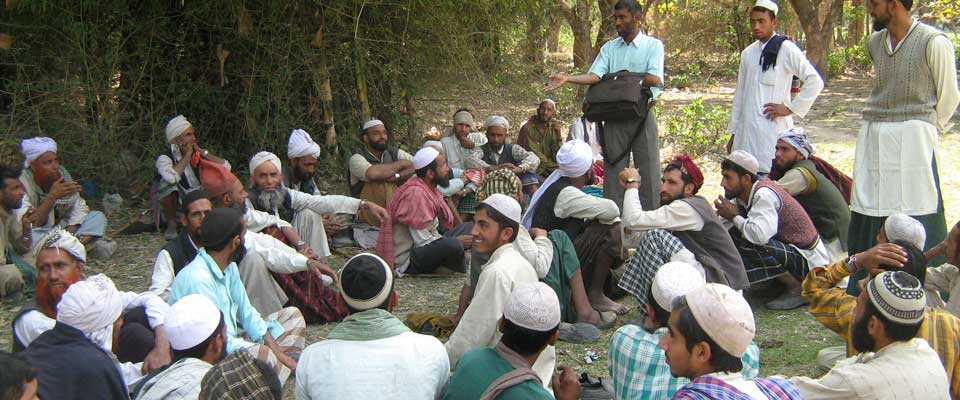
Van Gujjar migration depends on collective planning. Families coordinate departure dates, manage buffalo herds, maintain shelters, and share information about pasture and weather. Elders hold knowledge of routes, while younger members increasingly balance migration with schooling and wage work.
Buffalo husbandry remains central to this economy. Milk sales connect forest-based households with nearby markets, villages, and towns. The quality of care, access to fodder, veterinary support, and reliable transport all influence household income.
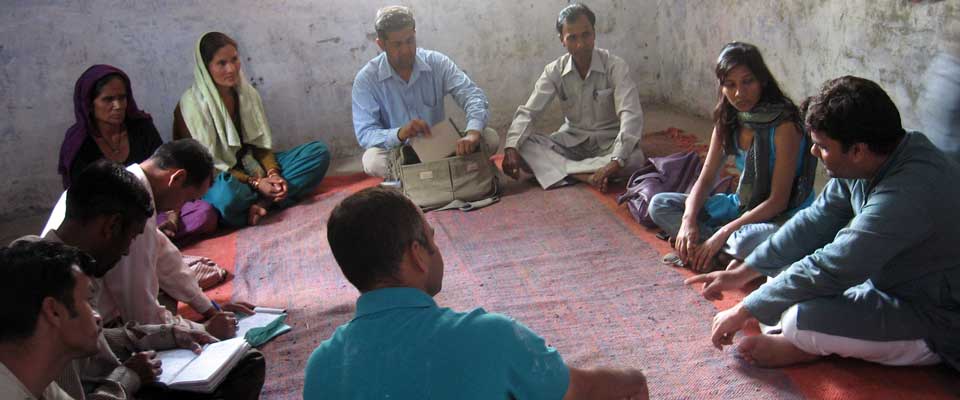
Community resilience has also appeared through social mobilization and advocacy. Van Gujjar organizations and partner groups have documented customary use, supported identity and domicile claims, and sought recognition under laws such as the Forest Rights Act. These efforts place lived experience at the center of forest governance.
Rights, records, and the future of mobility
The historical question is not simply when Van Gujjars arrived in the Shivalik Hills. It is also whether public policy recognizes the long relationship between pastoral communities and the landscapes they use. Official records may overlook oral histories, seasonal residences, and customary routes.
Secure forest rights, fair access to grazing, education adapted to mobile families, healthcare along migration corridors, and stronger milk-marketing systems can help communities maintain their livelihoods. Conservation planning is more effective when it includes pastoral knowledge and distinguishes sustainable use from damaging commercial pressure.
A rights-based approach does not treat migration as a sign of backwardness. It recognizes seasonal mobility as a legitimate livelihood strategy with cultural, economic, and ecological value.
Ways to support community-led action
- Document oral histories, migration routes, and customary forest use with informed community participation.
- Support legal awareness around forest rights, domicile rights, identity documents, and access to public services.
- Strengthen buffalo health, fodder planning, dairy collection, and fair milk-market connections.
- Include Van Gujjar representatives in conservation, relocation, and local development decisions.
- Build partnerships among communities, NGOs, researchers, and responsive government institutions.
The story of Van Gujjar migration into the Shivalik Hills continues today. SOPHIA supports community empowerment through rights-based projects, social mobilization, advocacy, and engagement with government and civil-society partners. Explore its work, share community histories, and support efforts that protect pastoral livelihoods and indigenous rights across the Himalayan region.